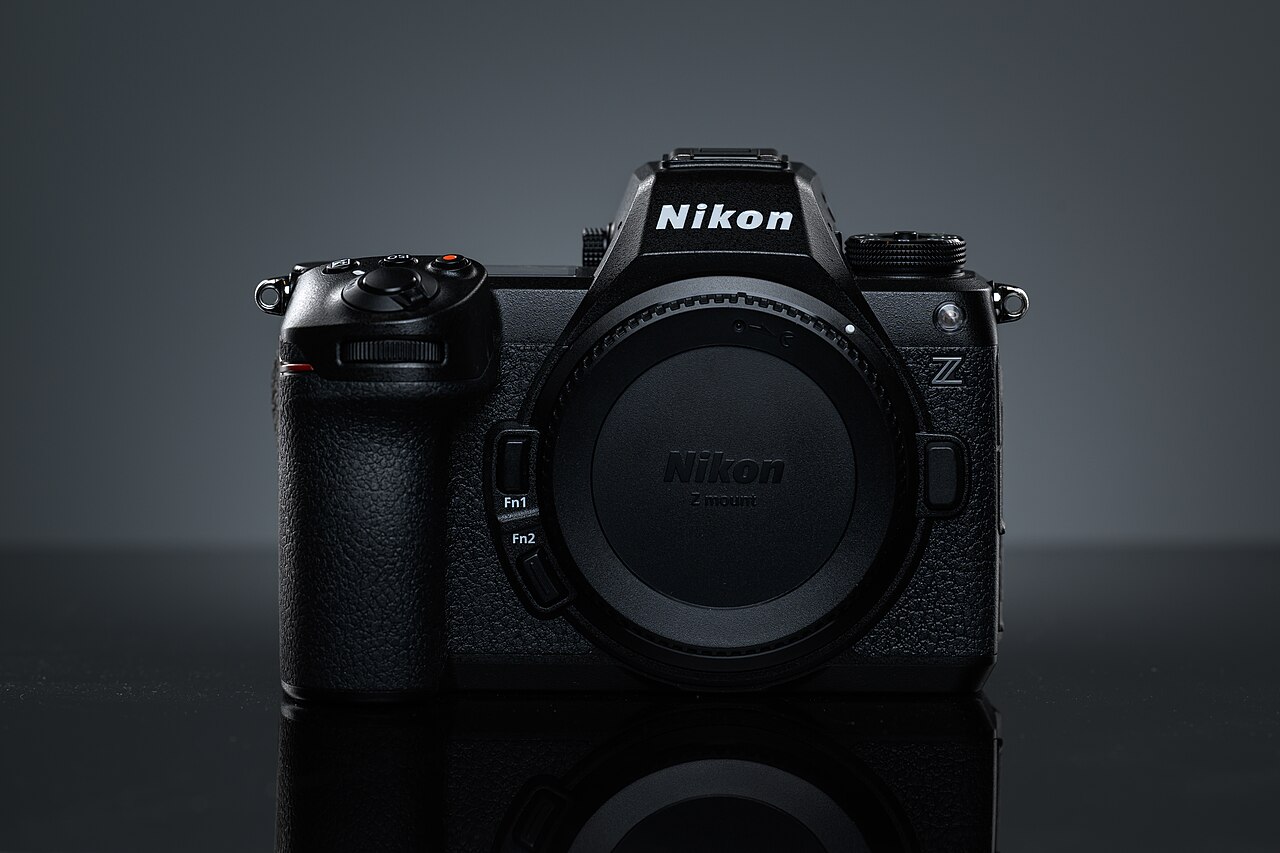
Overview: the bet Nikon made
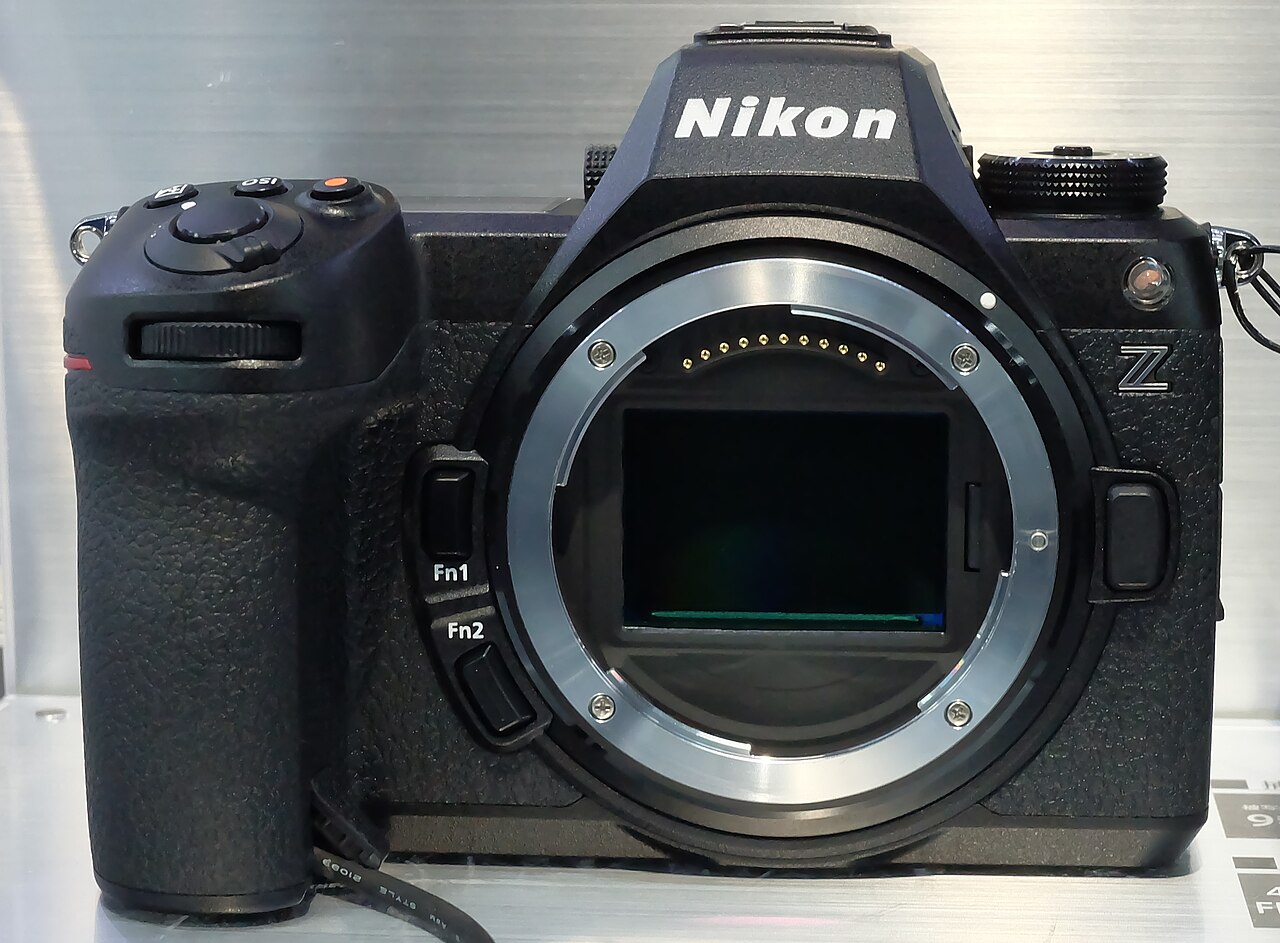
Nikon did something unusual with the Z6 III: it put a partially-stacked sensor in a mid-priced full-frame body, a design that sits between the ordinary sensor in the older Z6 II and the fully stacked chip in the flagship Z8. The payoff is speed. Faster readout means 6K RAW recorded internally, 4K up to 120p, 20 frames per second of RAW stills, and much less rolling-shutter distortion than a conventional 24-megapixel camera. For $2,499, a hybrid shooter gets video and burst capabilities that recently belonged to bodies costing far more.
昼落ち / Wikimedia Commons (CC0)
The catch arrived almost immediately, and it became one of the more heated camera debates of its year: the partially-stacked design appears to give up a little dynamic range at base ISO compared with the older Z6 II. That is a real tradeoff, and I will not wave it away. But it is also narrower in practice than the online reaction implied, and for most of the people this camera targets, the speed is worth the small cost. This review is about whether that tradeoff fits you.
Build, viewfinder, and controls
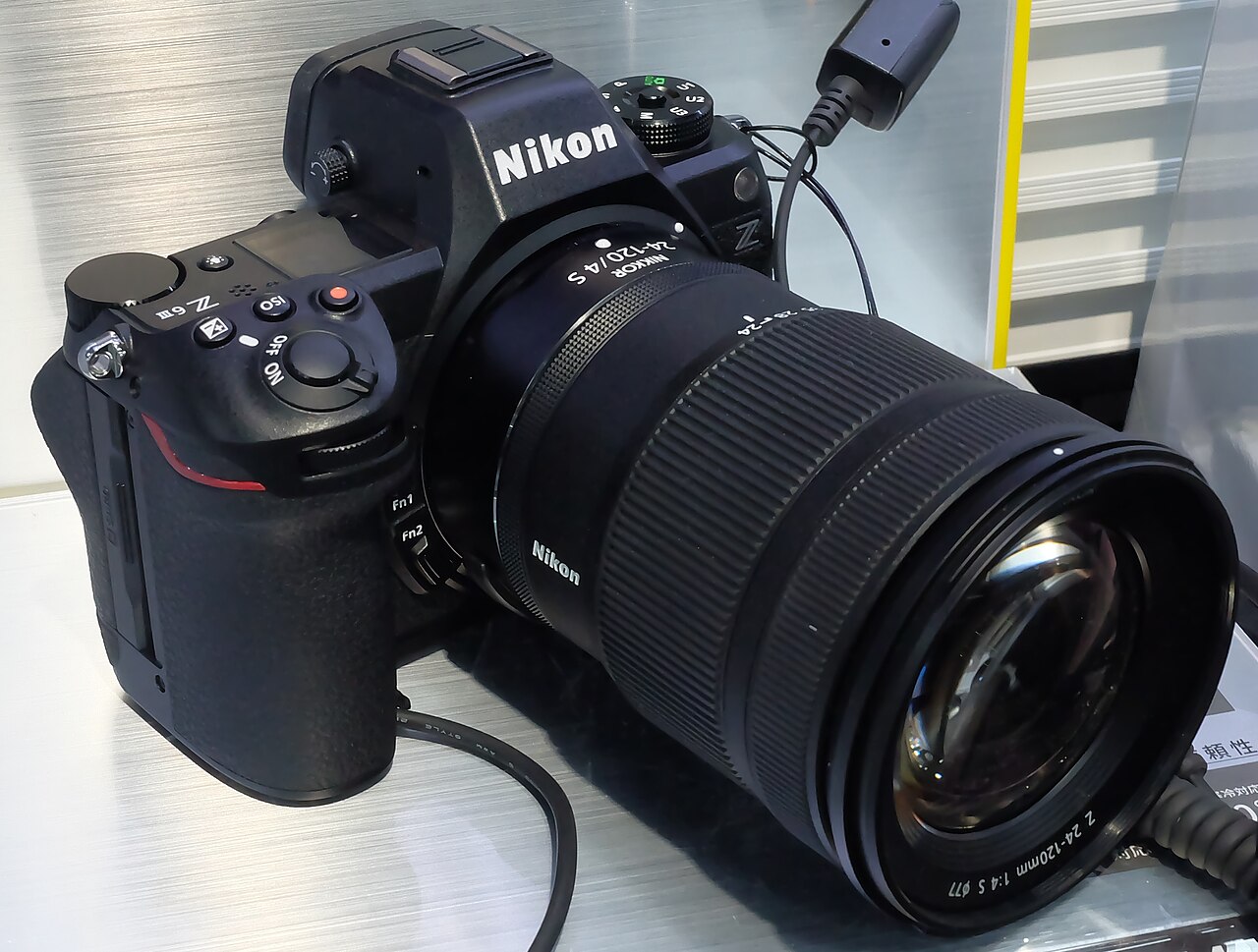
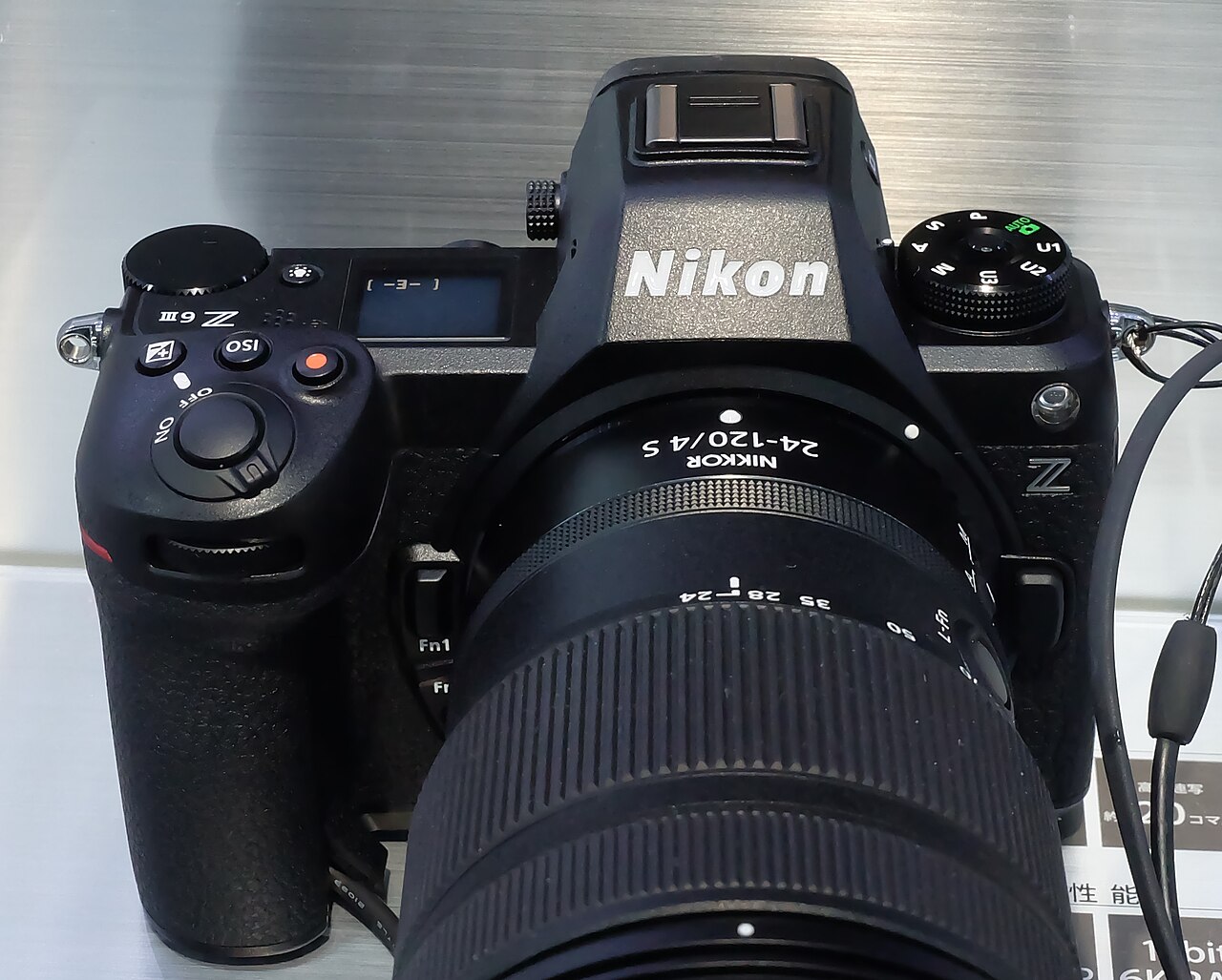
The Z6 III handles like a shrunken Z8, which is a compliment. It weighs roughly 760 grams with battery and card, has a deep, comfortable grip, extensive weather sealing, and the clean, logical control layout Nikon has refined across the Z system. If you have shot any recent Nikon, you already know where everything is.
昼落ち / Wikimedia Commons (CC0)
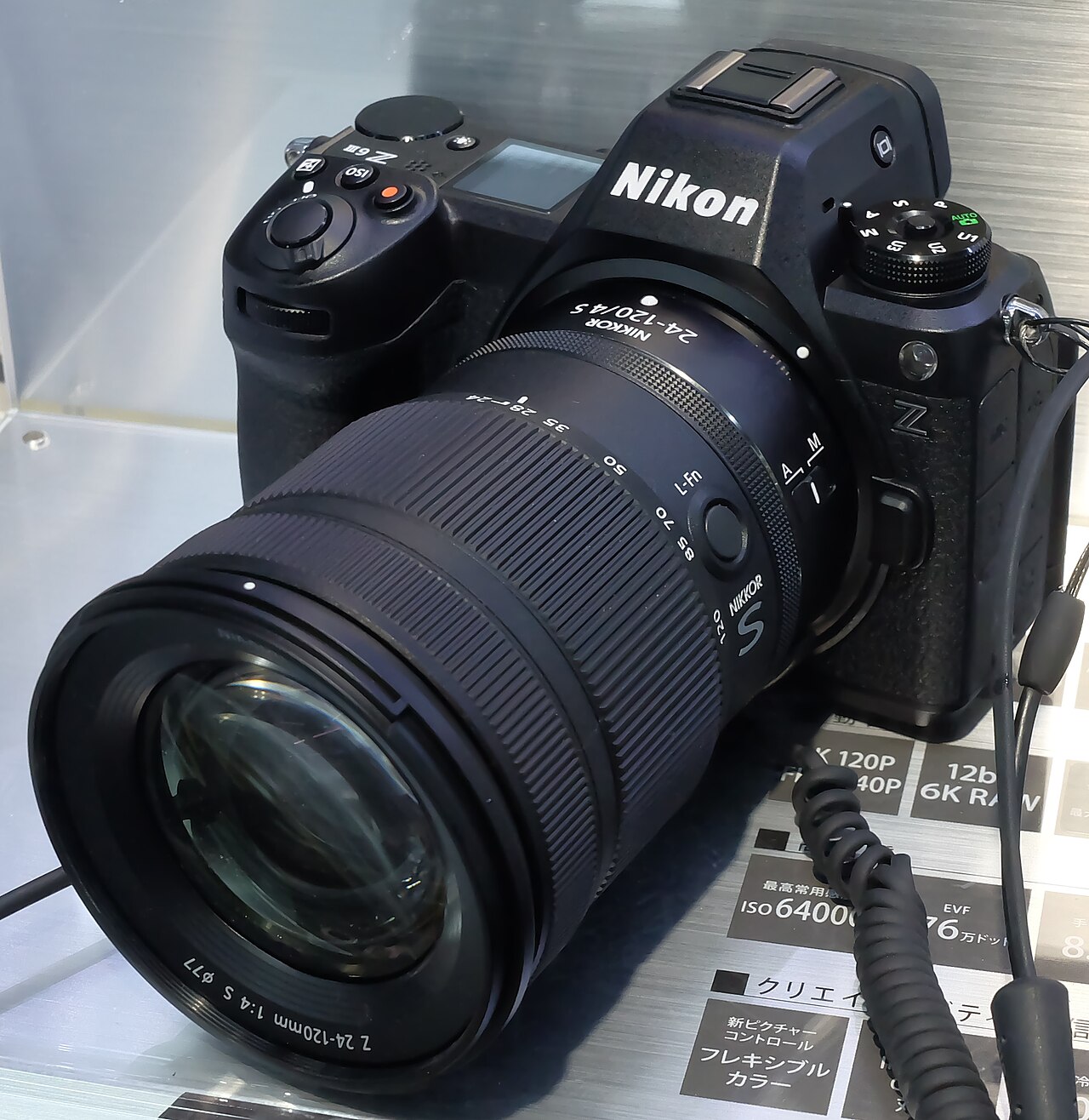
The standout piece of hardware is the viewfinder. Nikon fitted a 5.76-million-dot EVF that hits an unusually bright 4000 cd/m² peak — brighter than essentially any rival's finder — which makes a genuine difference shooting in harsh sunlight, where dim viewfinders wash out. The rear screen is a fully articulating vari-angle panel suited to video and awkward angles. Storage uses two slots: one CFexpress Type B and one SD UHS-II. The internal 6K RAW video and the deepest photo buffers want the CFexpress card, so factor one into your budget rather than leaning on SD alone. Battery life from the EN-EL15c runs to a few hundred shots per charge under CIPA testing, typical for the class, and USB-C charging keeps you topped up on the move.
Autofocus and speed
The Z6 III inherits the subject-detection autofocus developed for the Z8 and Z9, and it is a large step up from the Z6 II. It recognizes people, animals, birds, and vehicles, holds eye focus tenaciously, and tracks moving subjects with a reliability that makes the camera feel modern. It is not flawless in the most chaotic scenes, where the very best Sony and Canon systems still edge ahead, but for weddings, events, wildlife, and general fast shooting it delivers a high keeper rate.
昼落ち / Wikimedia Commons (CC0)
Speed is the whole reason this sensor exists. Twenty frames per second in RAW with the electronic shutter, up to 120 frames per second at reduced resolution for JPEGs, and greatly reduced rolling shutter thanks to the quicker readout — this is a camera that can chase action a Z6 II would fumble. The in-body stabilization is rated around 8 stops, among the strongest available, and it makes handheld low-light stills and stabilized handheld video genuinely practical.
The dynamic range controversy, honestly
Let's address the argument directly, because it is the single most discussed thing about this camera. Independent testing at Photons to Photos measured the Z6 III's base-ISO dynamic range roughly two-thirds of a stop to about a stop behind the older Z6 II. The partially-stacked sensor, to achieve its speed, appears to sacrifice a slice of the deep-shadow latitude that made the Z6 II a landscape darling. That is a real, measurable regression at base ISO, and if your work involves extreme shadow recovery from a single low-ISO exposure — landscape photographers pulling five stops out of a foreground — you have a legitimate reason to pause.
昼落ち / Wikimedia Commons (CC0)
Now the context. The gap narrows and effectively disappears as you raise ISO, so for event, wedding, wildlife, and video shooters working above base ISO, it rarely matters. In normal exposures with reasonable technique, you will not see it in a print. It is a genuine tradeoff aimed at a specific use case, not a broken camera. The reaction was louder than the effect. Know which shooter you are: if you are a base-ISO shadow-puller, weigh it seriously; if you are almost anyone else, the speed you gain is the better deal.
Video capability
For hybrid shooters the Z6 III is a strong value. It records 6K up to 60p in Nikon's N-RAW internally, 4K up to 120p for slow motion, and supports N-Log and Nikon's RED-derived color tools for grading. Rolling shutter in video is well controlled for the class, and thermal performance is respectable for extended recording. Paired with the strong stabilization, it makes a compact, capable video rig at a price that undercuts a lot of the competition. The 24.5-megapixel sensor keeps file sizes manageable at around 25-30MB per raw frame, and the reduced pixel count is part of why the readout can hit these speeds; a 45-megapixel sensor moving this fast would cost far more. For creators weighing a dedicated cinema camera, remember that this body also shoots 20fps stills and weighs 760g — one bag instead of two. If you shoot roughly equal parts stills and video, this is one of the most sensible bodies at $2,499. The camera also supports internal recording to timecode, waveform monitoring, and focus peaking, the kind of production niceties that used to force video shooters up into pricier bodies. For a solo creator or a small documentary crew, that feature depth at this price is the quiet reason the Z6 III keeps landing on shortlists.
How it compares: S5 IIX, R6 Mark II, A7 IV, and the Z6 II
Against Panasonic's S5 II and S5 IIX, the Nikon wins on autofocus confidence and viewfinder brightness, while Panasonic counters with excellent video features and open-gate recording; if video is your priority and you can live with slightly less assured tracking, the Panasonic is tempting. Canon's EOS R6 Mark II offers superb autofocus and a lovely 24-megapixel sensor, but tops out below the Z6 III's 6K internal RAW and Canon restricts third-party RF lenses. Sony's A7 IV brings 33 megapixels of resolution and a mature E-mount lens ecosystem, but its readout is slower, so the Z6 III beats it on burst speed and rolling shutter.
The most pointed comparison is with Nikon's own Z6 II. The Z6 III is faster, focuses far better, and shoots vastly more capable video — a clear generational leap for hybrid and action shooters. But if you are a dedicated base-ISO landscape photographer, the older Z6 II's marginally deeper shadow latitude is a real, if narrow, reason it might still suit you better. That is a strange thing to write about a newer camera, and it is true.
Who should buy it, and who should skip it
Buy the Z6 III if you are a hybrid shooter who wants strong stills and serious internal RAW video in one affordable body, if you shoot events, weddings, or wildlife and value fast autofocus and 20fps bursts, or if you are upgrading from a Z6 II and want a real leap in speed and focus. For those buyers it is easy to recommend.
Skip it if you are a pure landscape photographer who lives at base ISO and routinely rescues deep shadows — the dynamic range tradeoff is aimed squarely at you, and a Z6 II, Z7-series body, or high-resolution rival may serve you better. Skip it if you need maximum resolution, since 24.5 megapixels trails the 33-megapixel A7 IV and higher-res options. And weigh the lens situation before committing, because Nikon's Z lineup, while strong and growing, still has gaps that competitors have filled.
Verdict
The Z6 III is a smart, aggressive hybrid camera that mostly wins its gamble. The partially-stacked sensor buys speed, autofocus, and video that punch well above the price, and for the great majority of buyers the base-ISO dynamic range tradeoff is a footnote they will never see. But it is a real footnote, and Nikon deserves the criticism for a regression that a specific and vocal group of landscape shooters genuinely feels. Match the camera to what you shoot: for hybrid and action work at $2,499, it is one of the best values going; for base-ISO shadow-pulling, read the fine print first.
FAQ
Is the Z6 III's dynamic range actually worse than the Z6 II?
At base ISO, yes, slightly. Independent measurements at Photons to Photos put it roughly two-thirds of a stop to about a stop behind the Z6 II in deep-shadow latitude, a consequence of the faster partially-stacked sensor. The gap shrinks at higher ISOs and is invisible in most normal exposures, but base-ISO shadow-pullers will notice it.
Should a landscape photographer buy this or stick with the Z6 II?
If you routinely shoot at base ISO and recover heavy shadows from single frames, the Z6 II's marginally deeper latitude may actually suit you better, which is an unusual thing to say about an older camera. If you shoot brackets, work above base ISO, or want the faster autofocus, the Z6 III wins.
Is 24.5 megapixels enough resolution?
For most work, comfortably. It prints large, crops reasonably, and keeps file sizes and low-light noise in check. If you crop aggressively or need maximum detail, Sony's 33-megapixel A7 IV or a higher-resolution body will serve you better.
Do I need a CFexpress card for the video features?
For 6K internal N-RAW and the deepest photo buffers, yes, you want the CFexpress Type B slot. The second SD UHS-II slot handles stills backup and lighter recording, but the most demanding modes rely on the faster card.
How good is the autofocus compared to the previous Z6?
Much better. It uses the subject-detection system from the flagship Z8 and Z9, recognizing people, animals, birds, and vehicles with far more reliability than the Z6 II. It is not quite the absolute best in the most cluttered scenes, but it is a large generational improvement.
Is this a good camera for video creators?
Yes. It records 6K/60p N-RAW internally, 4K/120p, supports N-Log, and pairs it with roughly 8-stop stabilization, all at a price that undercuts much of the competition. For hybrid shooters splitting time between stills and video, it is one of the strongest values available.
What about the lens selection on Z-mount?
Nikon's Z lineup has matured with excellent zooms and primes, and third parties like Sigma and Tamron now support the mount, but a few specialty and long telephoto options still lag Sony and Canon. Confirm the specific lenses your work needs exist before you commit to the system.
Why is the viewfinder a big deal?
Its 4000 cd/m² peak brightness is unusually high, brighter than essentially any competitor's, which keeps the view usable in harsh direct sunlight where dimmer finders wash out. For outdoor shooters it is a genuine, practical advantage rather than a spec-sheet flourish.