Introduction
Almost every portable power station sold today shares one assumption: that you want a
household wall socket in the field. The inverter that produces that 120V AC is the single
most expensive, heaviest and least efficient component in the box, and it runs a small
idle draw whenever it is switched on. EcoFlow's TRAIL 300 DC starts from the opposite
premise. It is a 288Wh lithium iron phosphate battery with no AC inverter at all —
everything comes out over USB-C, USB-A or a 12V car socket — and it is priced at $159,
or $149 for EcoFlow members.
That decision is the whole product, and whether it is smart or limiting depends entirely
on what you plug in. A growing share of outdoor gear — phones, tablets, action cameras,
mirrorless cameras, drones, headlamps, portable fridges, Starlink Mini — either charges
over USB-C or runs natively on 12V DC. For that equipment, an inverter is dead weight and
wasted energy: you would be converting DC battery power up to AC and back down to DC
inside the device. The TRAIL 300 DC skips both conversions, and in doing so keeps the
whole unit down to 2.58kg, or 5.69 pounds.
The risk is equally clear. The moment you need to run anything with a two-prong plug — a
CPAP without a DC input, a laptop with only a barrel charger, a small appliance — the
TRAIL 300 DC simply cannot help you, and no firmware update will change that. This review
works through who that trade suits, what EcoFlow documents, and where a slightly larger
AC-equipped unit makes more sense.
Design and Build
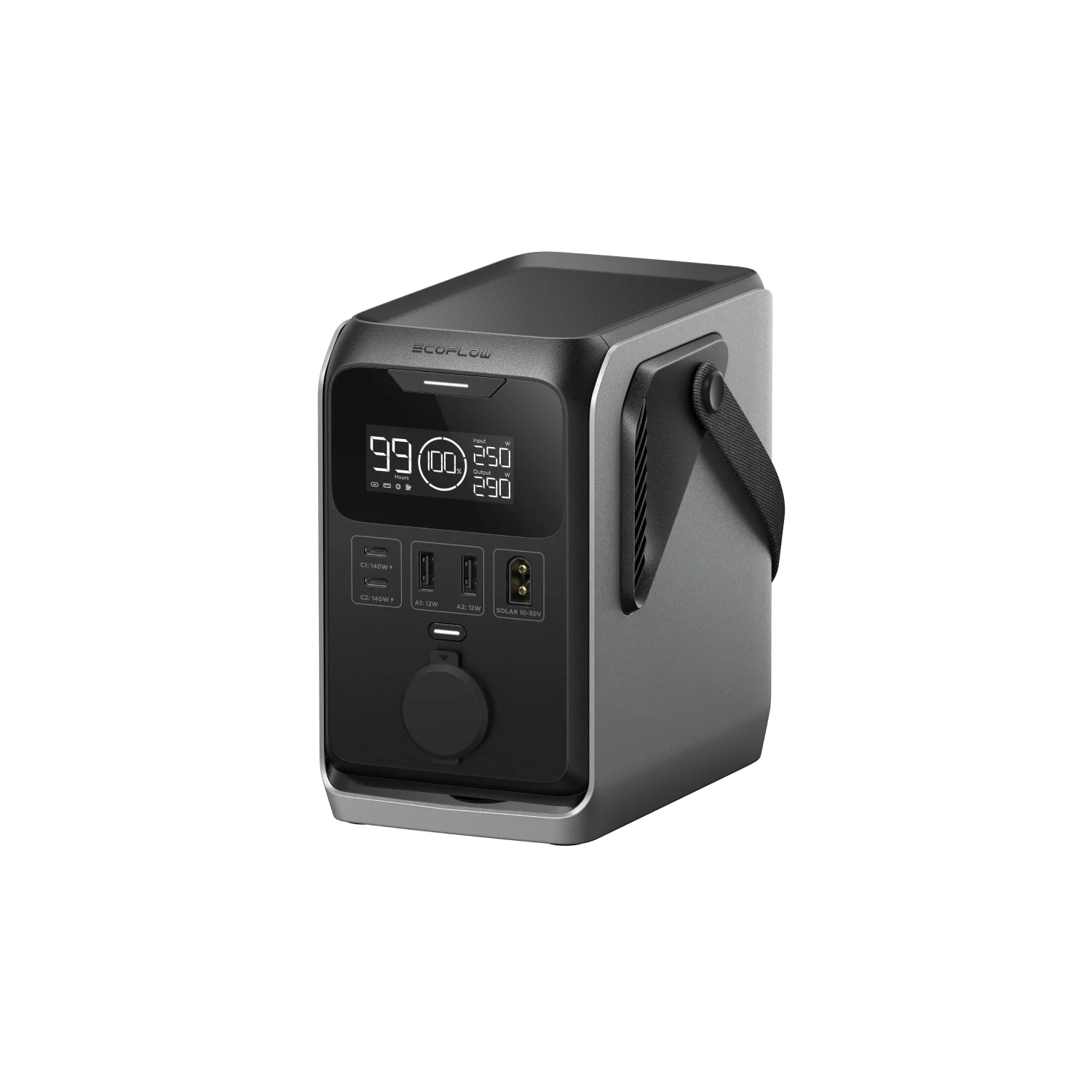
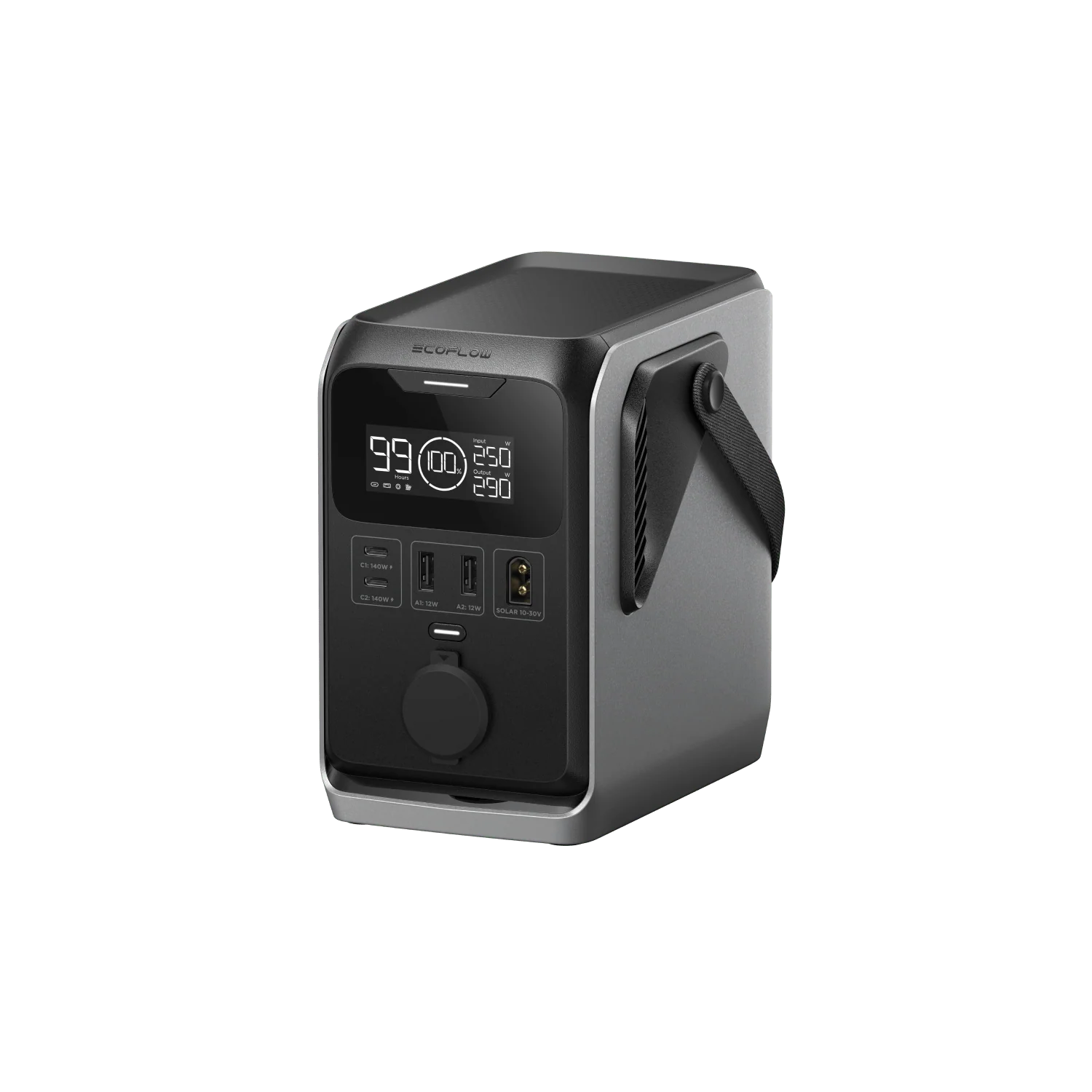
The TRAIL 300 DC is small in a way the spec sheet understates until you picture it: 167 x
115 x 166mm, roughly the size of a large hardback book stood on end, with a woven fabric
carry handle over the top. At 5.69 pounds it is light enough to clip to a pack or toss in
a camera bag without much thought, and EcoFlow leans into that with a built-in light on
the unit for camp and tent use.
EcoFlow (Manufacturer product image)
EcoFlow (Manufacturer product image)
The battery inside is lithium iron phosphate, the same chemistry EcoFlow uses across its
larger stations. In a small unit that gets charged and drained constantly on trips, LFP's
long cycle life and thermal stability matter more than the marginal energy-density penalty
versus older lithium formulations. It is the right chemistry for the job, and it is
reassuring to see it at this price rather than a cheaper cell type.
Two things about the build deserve scrutiny. The first is the ingress rating: EcoFlow lists
the unit at IP30, which means it is protected against solid objects larger than 2.5mm but
carries no water-resistance rating at all. For a product marketed around trails, fishing and
filming, that is a meaningful caveat — a waterproof accessory bag is sold separately, and
you will want it if the weather turns. The second is that there is no expansion port; the
288Wh you buy is the 288Wh you keep, with no add-on battery to grow into.
The unit is app-connected over Wi-Fi and Bluetooth, which on a device this small is more
useful than it sounds: you can watch the remaining charge and manage output ports from a
phone rather than squinting at the unit in the dark. There is also a smaller sibling, the
TRAIL 200 DC, which drops to 192Wh and 4.03 pounds for buyers who want to go even lighter.
Performance and Real-World Use
The headline output number is 300W of maximum discharge across all ports combined. That is
the figure that defines what the TRAIL 300 DC can and cannot do. It will charge a phone or
tablet at full speed, run a 12V portable fridge, power a router or a Starlink Mini, keep a
camera rig and a couple of drone batteries topped up, and drive USB lighting — all day, and
across several days for low-draw gear. What it will not do is run anything that needs more
than 300W or anything that needs AC.
EcoFlow (Manufacturer product image)
EcoFlow (Manufacturer product image)
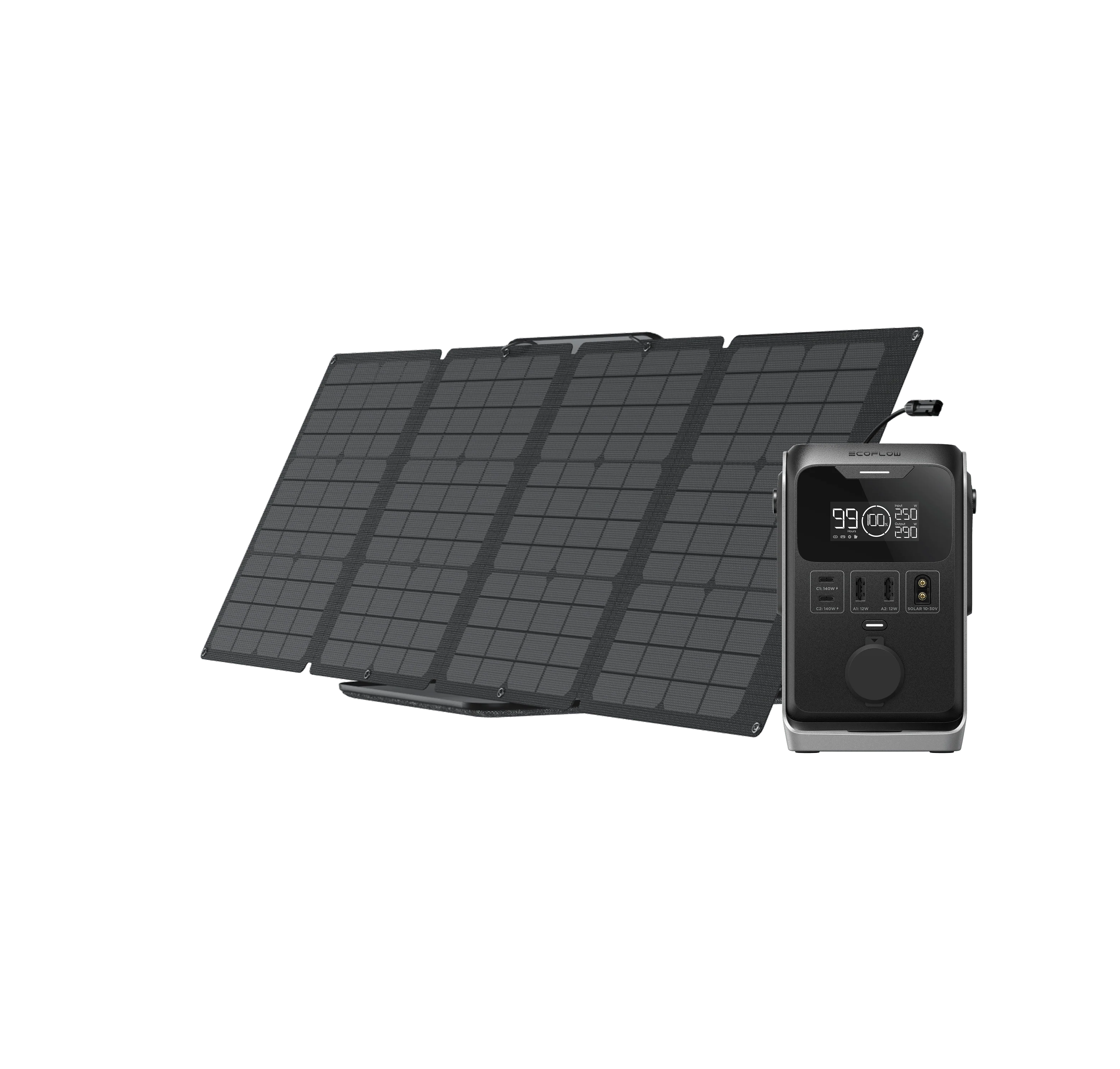
The USB-C implementation is the standout. Both USB-C ports are rated at 140W bidirectional,
meaning each can fast-charge a modern USB-C laptop or recharge the TRAIL itself at up to that
rate. Two 140W ports is generous for a unit this size and price, and it is the feature that
makes the DC-only concept practical: a 140W USB-C laptop charger is now common enough that
many users never miss the AC socket. The two USB-A ports are ordinary 12W outputs for
legacy accessories, and the 12V car outlet is rated at 120W for cigarette-lighter
accessories and DC fridges.
Efficiency is the quiet argument in the TRAIL's favour. Every AC-equipped power station
loses energy in the inverter, both in the DC-to-AC conversion and in the idle overhead of
keeping the inverter powered on. By outputting DC directly, the TRAIL 300 DC avoids that
entire loss path for the devices most campers actually carry. Against its 288Wh nameplate,
more of the stored energy reaches your gear than it would through an inverter and a device's
own AC adapter. EcoFlow frames the capacity as "equal to nine power banks," which is a fair
way to think about it — this is a large, well-managed power bank with proper ports, not a
shrunken home-backup station.
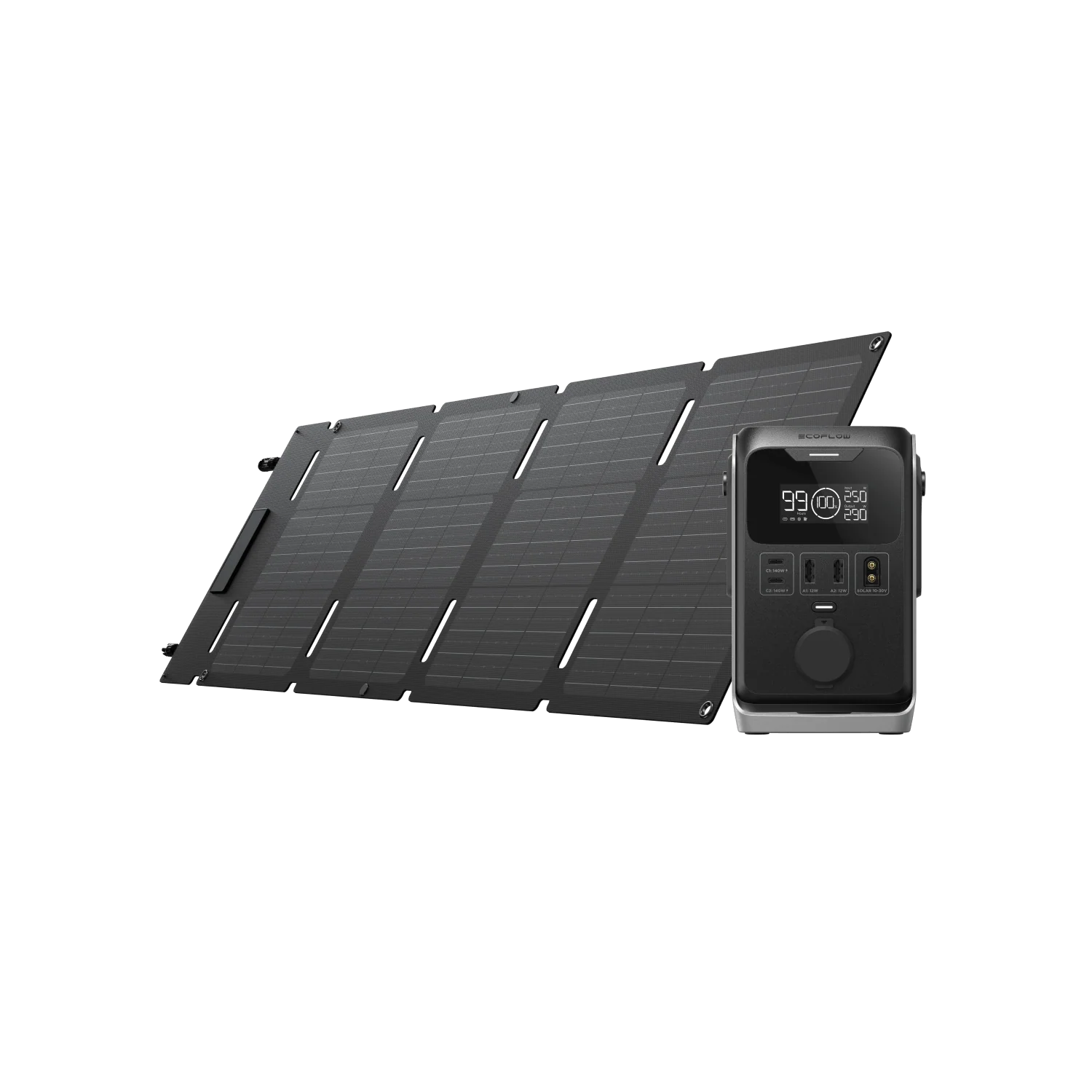
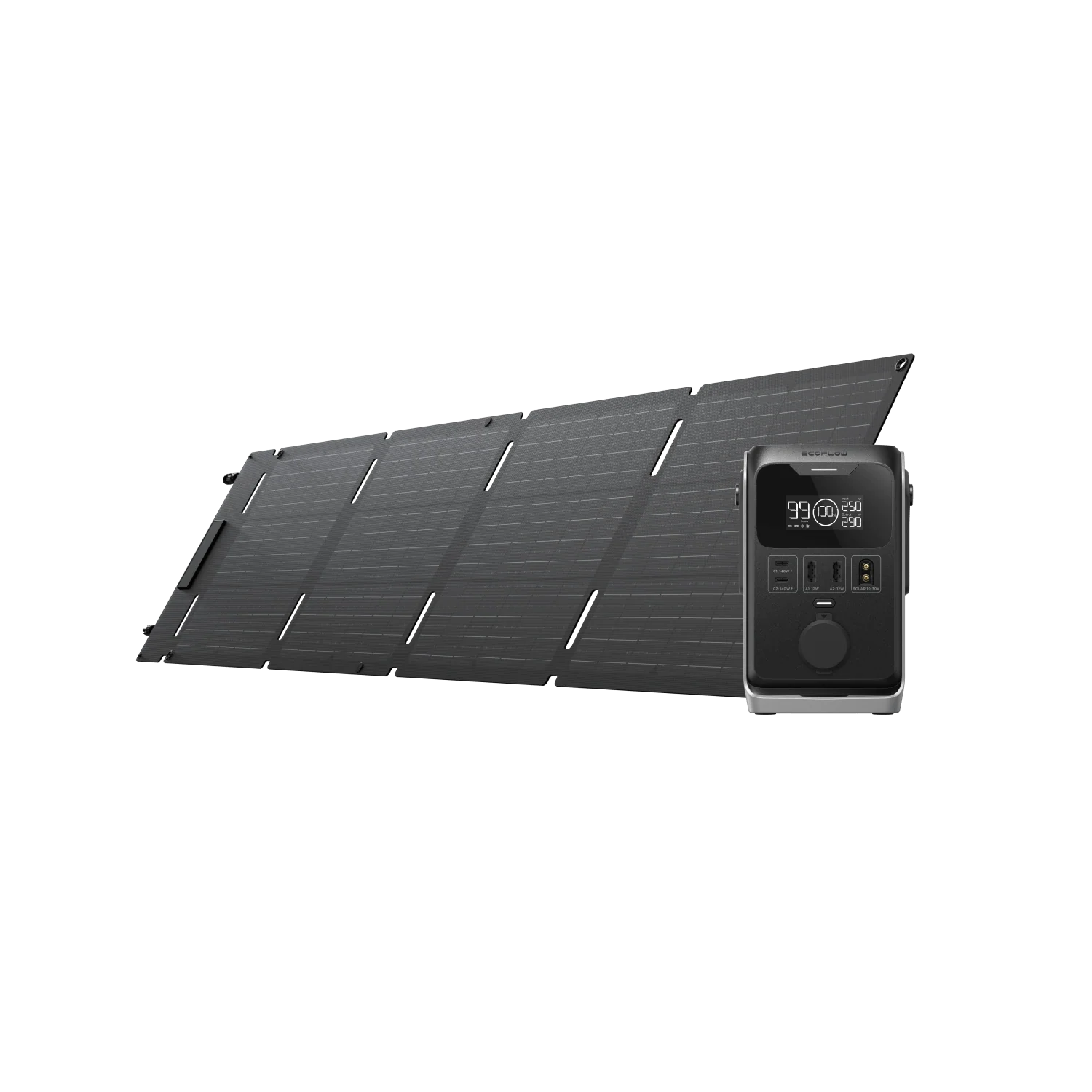
Recharging is where the small size shows. The solar and car input is capped at 110W, so a
full refill from a compatible panel or a vehicle takes several hours in good conditions. The
faster route is USB-C: because each port accepts up to 140W in, plugging into a strong USB-C
charger tops the unit up considerably quicker than the solar ceiling would suggest. Buyers
planning to lean on solar should set expectations accordingly — 110W into 288Wh is a
leisurely charge, not a fast one.
Competitive Comparison
vs. EcoFlow RIVER 3 Plus ($299, 286Wh). The most instructive comparison is in-house and
almost a controlled experiment: the RIVER 3 Plus holds nearly identical energy — 286Wh —
but adds a 600W AC inverter (1,200W with X-Boost) and expands to 858Wh with an add-on
battery. It costs $299, nearly double the TRAIL 300 DC's $159, and weighs more. The two
units answer the same "how much energy" question with opposite philosophies: pay for the AC
socket and expandability, or save the money and weight by going DC-only. If you will ever
need a wall plug, the RIVER 3 Plus is the unit to buy; if you genuinely will not, you are
paying for hardware you will never use.
vs. Jackery Explorer 300 Plus (288Wh). Jackery pairs the same 288Wh capacity with a
small AC inverter of a few hundred watts, making it the natural cross-brand alternative for
someone who wants that occasional wall socket. It is heavier and pricier than the TRAIL for
the identical amount of stored energy — the cost of carrying an inverter you might use once a
trip. The choice again comes down to whether AC is a real requirement or a comfort blanket.
vs. DJI Power 500 (512Wh, $319-class). The DJI is a different weight class: 512Wh, a
1,000W AC inverter and a 70-minute full recharge, at 16.1 pounds. It is nearly three times
the TRAIL's weight and offers real AC output, so it suits car camping and heavier loads
rather than backpacking. If you drive to your campsite and want to run an AC appliance, the
DJI is the better tool; if you carry your kit any distance, the 5.69-pound TRAIL wins on
portability by a wide margin.
vs. Bluetti's compact stations. Bluetti's small units in this bracket, such as the EB3A
class, all include a built-in AC inverter and land heavier and costlier than the TRAIL for
comparable capacity. They are the right pick if a wall socket is non-negotiable, and the
wrong one if you have honestly audited your gear and found it all runs on USB-C or 12V.
Who Should Buy It
Buy the TRAIL 300 DC if your outdoor power needs are genuinely all DC and USB — and be
honest with yourself about that, because it is the entire decision. Photographers and
videographers charging camera and drone batteries, backpackers keeping phones, headlamps and
a Starlink Mini alive, and overlanders running a 12V fridge and USB lighting are the core
audience. For them, the 140W USB-C ports and the 5.69-pound weight are exactly right, and the
missing inverter is a feature rather than a loss.
It also suits anyone who already owns a larger AC power station for the car or home and wants
a light, cheap second battery to carry away from it. At $159, the TRAIL 300 DC is an easy
companion purchase rather than a primary investment.
Look elsewhere if there is any chance you will need AC. A CPAP without a DC input, a laptop
with only a barrel charger, a small kitchen appliance or a medical device with a two-prong
plug will not run from this unit, full stop. In that case EcoFlow's own RIVER 3 Plus, or a
comparable small AC station from Jackery or Bluetti, is the safer buy even at the higher
price and weight.
Final Verdict
The TRAIL 300 DC is a focused, honest little product that knows exactly what it is not. By
omitting the AC inverter that every rival includes reflexively, EcoFlow delivered 288Wh of
LFP storage in a 5.69-pound package for $159, with two genuinely fast 140W USB-C ports and no
inverter losses to erode the pack. For the DC-and-USB gear that dominates a modern camping or
photography kit, that is a smarter allocation of weight, money and energy than a small
inverter would have been.
The limits are exactly the ones you would predict and should take seriously. There is no AC
output and no way to add it, 288Wh is a device-charging capacity rather than a home-backup
one, the IP30 rating offers no water protection, and the 110W input ceiling makes solar
recharging slow. This is a specialist tool, not a do-everything one.
Judged against its actual brief — a light, efficient DC power source for people whose gear
does not need a wall plug — the TRAIL 300 DC is a clever and well-priced answer. Audit your
own devices first. If they all run on USB-C or 12V, this is one of the more sensible $159 you
can spend on portable power. If even one of them needs AC, buy something with an inverter
instead.
Frequently Asked Questions
Does the EcoFlow TRAIL 300 DC have an AC outlet?
12W USB-A ports and a 120W 12V car socket. Anything that needs a household wall plug cannot
run from it.
How much capacity does it have and what will that run?
camera and drone rig topped up for days, run a 12V portable fridge, or power USB lighting and
a router. It is a device-charging capacity, not a home-backup one.
How much does it cost?
200 DC, at 192Wh, sells for $119.
How heavy is it?
handle — light and small enough to clip to a pack or drop into a camera bag.
How fast can I charge it, and can I use solar?
hours in good conditions. The quicker route is USB-C: each 140W port accepts input as well as
output, so a strong USB-C charger fills it noticeably faster than solar.
Is it waterproof?
water-resistance rating. EcoFlow sells a waterproof bag separately, and you should add it if
you expect rain or spray.
Can I run a laptop from it?
most modern USB-C laptops. A laptop that only accepts a proprietary barrel-plug AC charger
will not work, because there is no AC output.
How does it compare to the EcoFlow RIVER 3 Plus?
858Wh, for $299 versus the TRAIL's $159. If you need AC or expandability, the RIVER 3 Plus is
the buy; if you only use DC and USB gear, the TRAIL is lighter and cheaper.
Can I add a second battery for more capacity?
energy, choose a larger or expandable unit rather than planning to grow this one.
Does it have an app and a light?
monitoring and port control, and it has a built-in light for camp and tent use.