Introduction
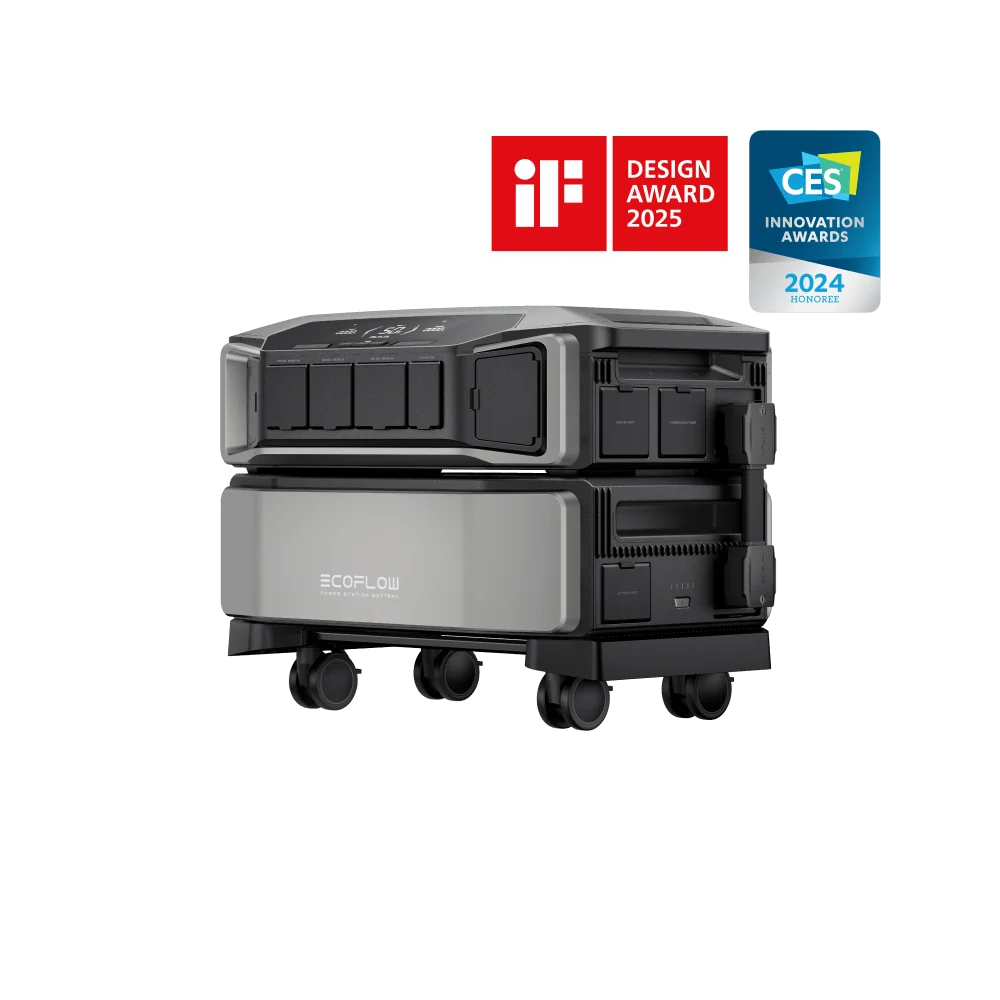
Most of what the industry calls a "portable" power station is a single sealed box you
carry to a campsite or wheel into a garage. The EcoFlow DELTA Pro Ultra is a different
kind of animal, and the marketing category does it a slight disservice. This is a
modular energy system: an inverter module and a battery module that clip together, and
that you keep clipping together until the stack matches your house. One inverter and one
battery — the configuration EcoFlow sells as the entry point — stores 6,144Wh. Add
modules and the same architecture climbs all the way to 90kWh, enough to run an entire
home through a multi-day outage.
The number worth leading with is not a watt-hour figure but a certification. EcoFlow
states the DELTA Pro Ultra is the only portable power station certified to both UL1973
and UL9540. UL1973 governs the battery pack itself; UL9540 governs the complete energy
storage system as installed. Holding both matters for anyone who wants this hardwired
into a home, because it is the paperwork that inspectors and some jurisdictions actually
ask for. It is a genuine differentiator in a market where most competitors carry the
battery certification alone.
The catch, and it is a real one, is money and complexity. The base pairing lists at
$4,199. Bundles with extra batteries run $5,499 to $5,999, larger kits reach $7,899, and
that is before you factor in the Smart Home Panel 2 and the professional installation it
requires. This is not a product you buy on impulse; it is a system you specify. The rest
of this review is about whether the specifying is worth it.
Design and System Architecture
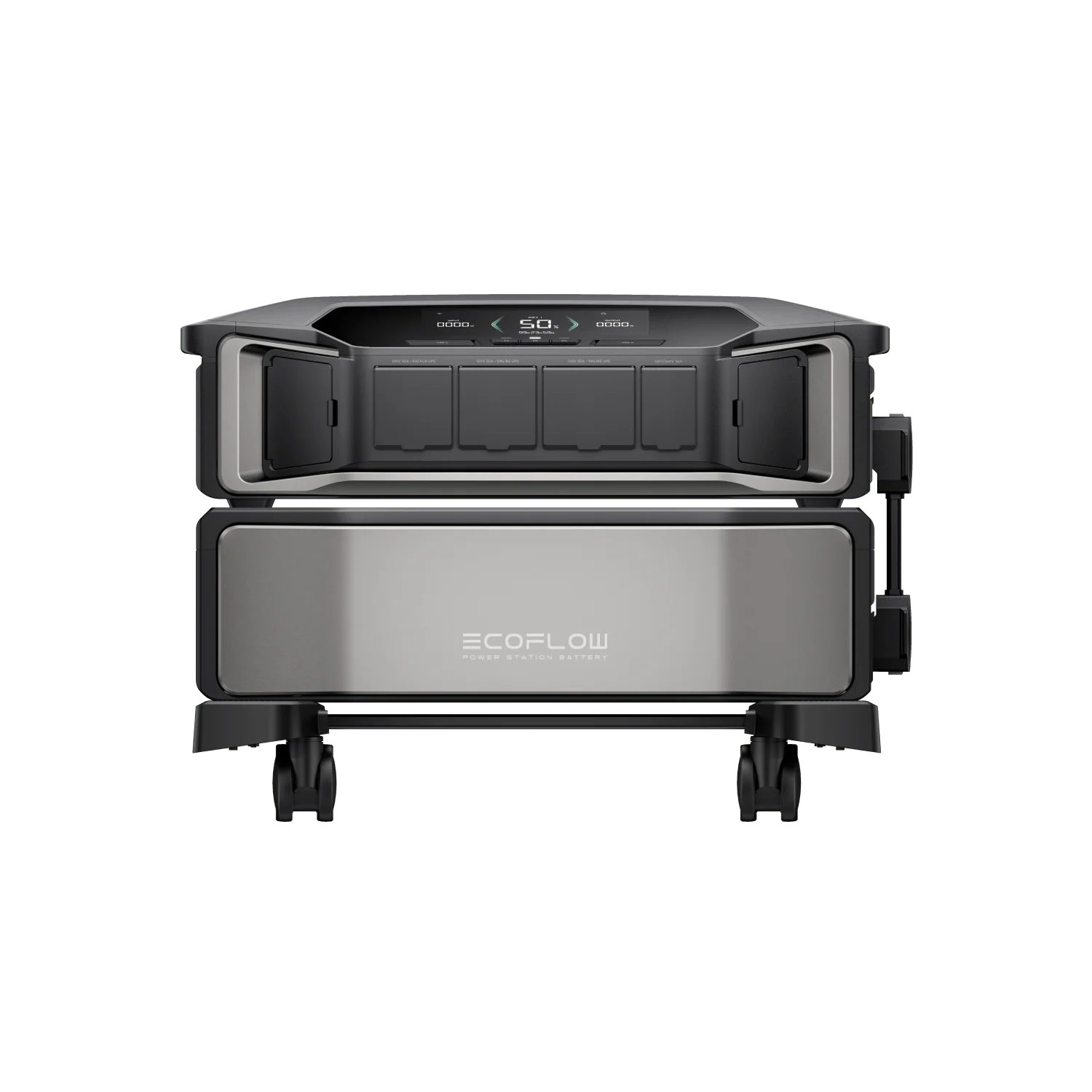
The defining design choice is modularity, and everything else follows from it. Rather
than fixing capacity and output in a single chassis, EcoFlow splits the two jobs. The
inverter module handles conversion and the wall interface; the battery module holds
6,144Wh of energy in the base unit. Because you buy those as separate blocks, you can
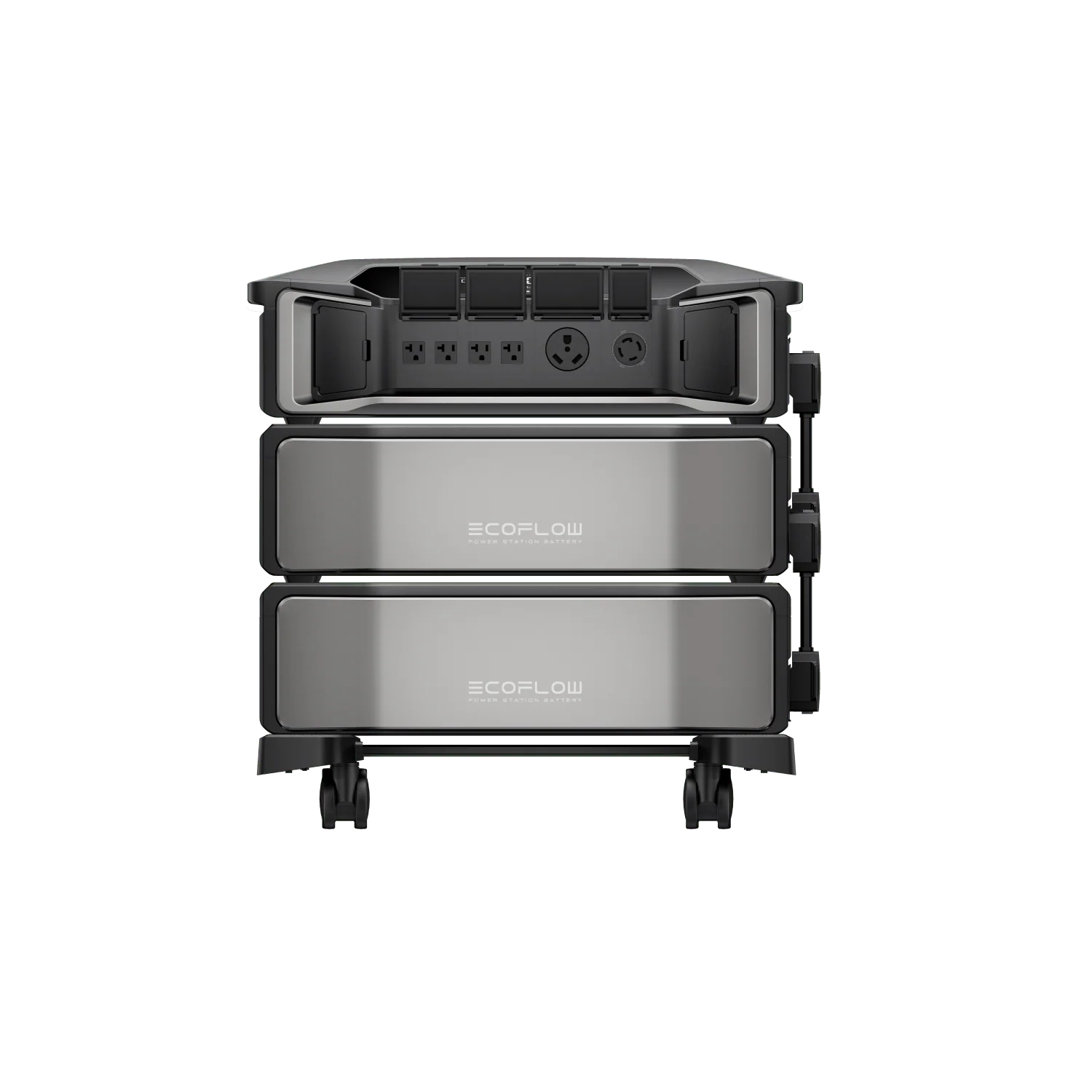
weight the system toward more power (additional inverters, up to a 21,600W ceiling) or
more endurance (additional batteries, up to 90kWh), depending on whether your problem is
starting heavy loads or riding out long outages.
EcoFlow (Manufacturer product image)
EcoFlow (Manufacturer product image)
A detail that reads like a footnote but is not: EcoFlow says the battery self-heats when
temperatures drop below 32F, allowing the pack to charge and discharge normally in cold
conditions. Lithium chemistry is notoriously unhappy about charging below freezing, and
many rivals simply throttle or refuse. A backup system that keeps working in an unheated
garage, a mountain cabin or a Northern winter is meaningfully more useful, and the
self-heating circuit is the reason it can.
The honest limitation of the design writeup is what EcoFlow does not publish on the
fetched product record. There is no stated unit weight, no external dimensions, and no
switchover time in milliseconds. For a whole-home system those omissions matter less
than they would on a camping unit — you are not carrying this up a trail — but they are
still gaps a careful buyer should press a retailer on before committing. We do not have
these units on a bench, and we will not invent figures the manufacturer withholds.
Where the design gets genuinely thorny is integration. The DELTA Pro Ultra pairs with
the EcoFlow Smart Home Panel 2 to give automatic switchover, longer backup and the kind
of load management that can trim an electricity bill. But EcoFlow publishes two caveats
that deserve to be shouted rather than buried. First, the inverter package does not
include the connection cable, so wiring a second inverter into the Smart Home Panel 2
means buying that cable separately. Second, the Smart Home Panel 2 requires professional
installation, and the fee is quoted only after an assessment. Only the specific "DELTA
Pro Ultra + Smart Home Panel 2 + Installation" bundle rolls that labour into the price.
Budget for the electrician, not just the boxes.
Output, Charging and Performance
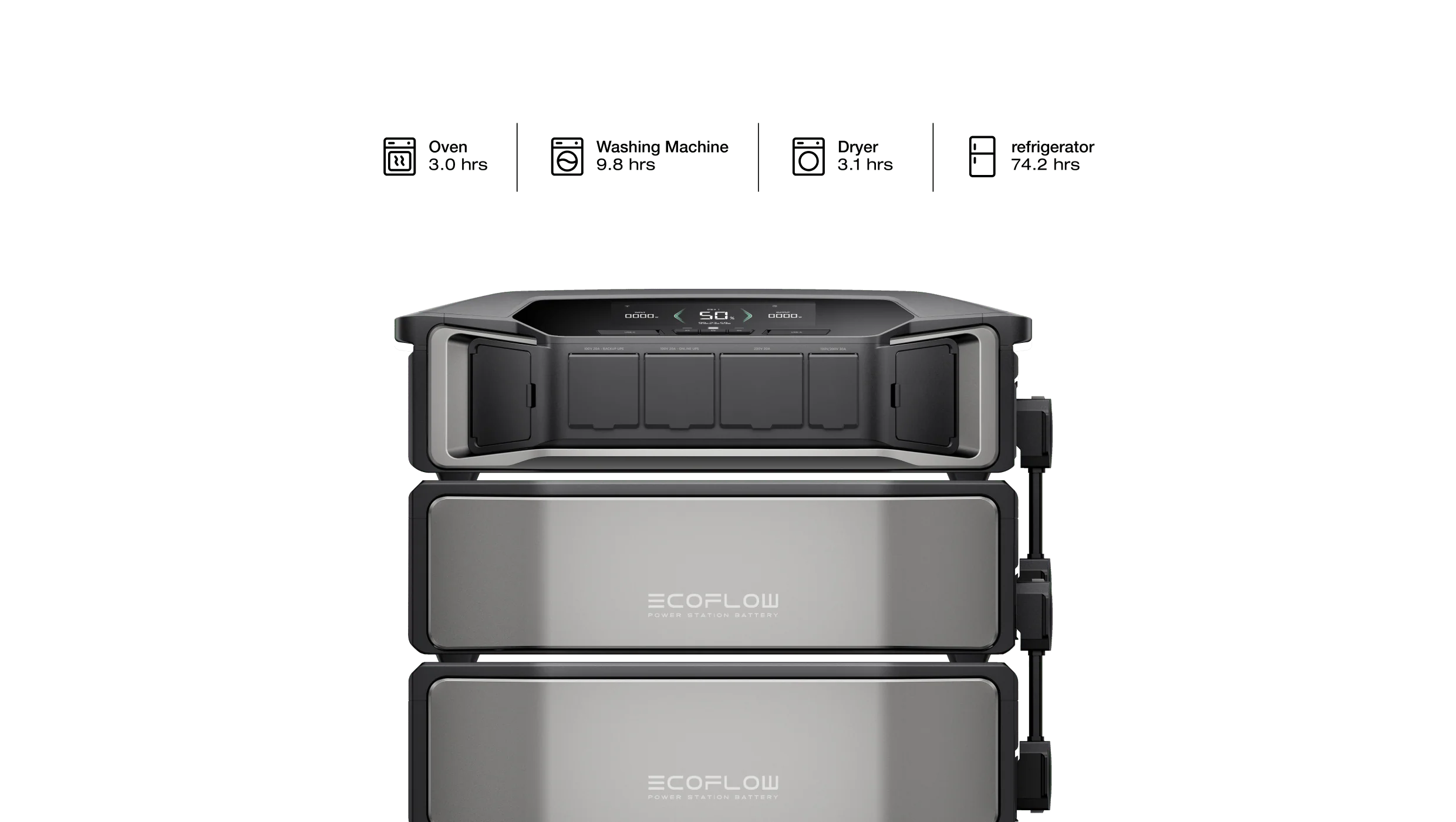
On raw capability the DELTA Pro Ultra is not subtle. A single inverter delivers 7,200W,
and stacking inverters lifts the ceiling to 21,600W. Crucially it is 120V/240V
split-phase, so it does not merely power appliances through extension cords — it can
back real 240V circuits: a well pump, an electric dryer, a heat-pump air handler, a
range. That is the line that separates a whole-home unit from a large portable one, and
plenty of otherwise-capable stations never cross it.
EcoFlow (Manufacturer product image)
EcoFlow (Manufacturer product image)
Charging is flexible by design, with EcoFlow listing five ways to top the system up.
The company does not publish a single tidy 0-to-100% figure on the fetched listing the
way it does for its smaller boxes, which is unsurprising given that total charge time
scales with how many batteries you have bolted on — a 6,144Wh stack and a 90kWh stack
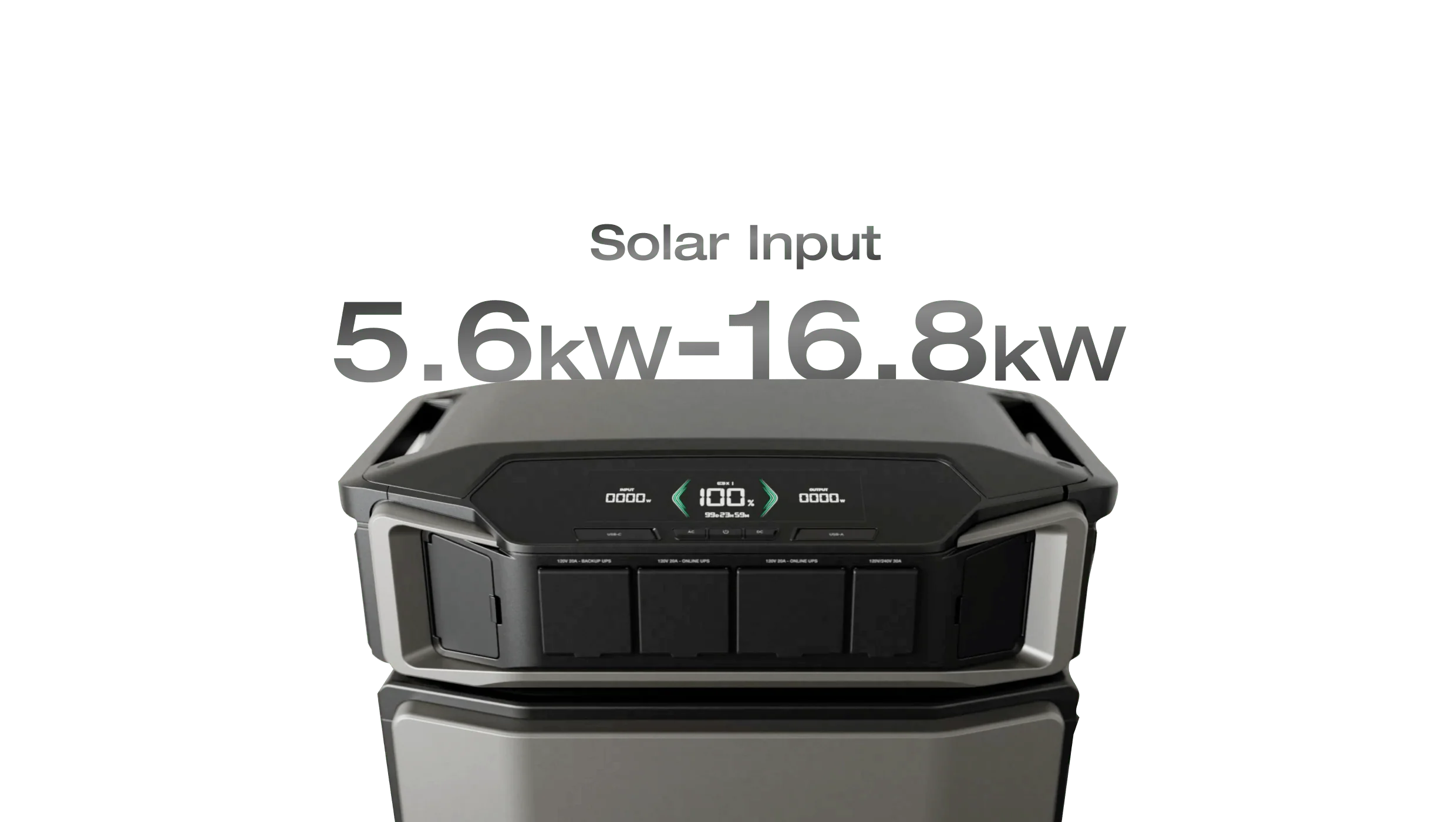
are not going to refill on the same clock. Solar is part of the mix, and one of the
retail bundles pairs the system with a 400W solar panel. Buyers planning serious
off-grid recharging should confirm the exact maximum solar input for their specific
inverter count with EcoFlow directly, because that ceiling is not something we will
guess at.
Performance in a backup role hinges on the transfer to battery when the grid fails. With
the Smart Home Panel 2 in the loop, that switchover is automatic, which is the important
part for keeping a refrigerator, a network rack or a sump pump alive. EcoFlow does not
put a millisecond figure on the fetched record, so we will not either; what we can say
is that the architecture is built for hands-off transfer rather than the manual
plug-swapping a bare portable demands.
The self-heating battery earns a second mention here because it is a performance
feature, not just a design one. A backup system that derates in the cold is a backup
system that fails you exactly when a winter storm has knocked the power out. Running
normally below 32F is the difference between a spec and a promise you can lean on.
Competitive Comparison
vs. Goal Zero Yeti PRO 4000 ($3,999.95, 3,994Wh). Goal Zero's flagship is the
closest thing to a like-for-like rival at the entry price. It stores 3,994Wh in a single
115.7 lb chassis measuring 21.4 x 13.8 x 14.8 in, pushes 3,600W (7,200W surge), recharges
in under 3 hr with an 1,800W fast charger, accepts up to 3,000W of solar and expands to
20kWh across four Tank PRO 4000 batteries. It is the better-documented product — Goal
Zero publishes weight, size and a 5-year warranty plainly. The EcoFlow's answer is a
higher output ceiling, dual UL certification and the 240V split-phase backing that makes
whole-home integration cleaner.
vs. Jackery Explorer 5000 Plus ($3,499, 5,040Wh). Jackery undercuts EcoFlow's entry
price and starts from a larger single-unit 5,040Wh, expanding to 60kWh. It too offers
120V/240V output, at 7,200W. Where EcoFlow pulls ahead is the UL9540 system
certification and the maturity of the Smart Home Panel 2 ecosystem; where Jackery pulls
ahead is a simpler, cheaper on-ramp. For a buyer who wants deep backup without an
electrician's invoice on day one, the Jackery is the gentler start.
vs. EcoFlow DELTA Pro Ultra X (whole-home kit $7,999). EcoFlow's own newer generation
is the awkward presence in the room. The Ultra X whole-home kit lists at $7,999, with the
X inverter at $3,799 and X batteries at $2,099 to $2,199. It is positioned as the
step-up successor, and its existence means anyone spending near the top of the Ultra
range should at least price the X before committing. We are not attributing the Ultra's
figures to the X or vice versa — they are distinct products — but the overlap is real
and a little confusing.
vs. EcoFlow DELTA 3 Ultra ($1,399, 3,072Wh). For context on where this sits, the
DELTA 3 Ultra is a large portable, not a whole-home system: 3,072Wh, 3,600W (7,200W
surge), 0-80% in 89 min, roughly 25dB at 600W. It is a third of the price and a fraction
of the ambition. If your requirement is a fridge, a freezer and devices through a
day-long outage rather than a hardwired house, the DELTA Pro Ultra is far more machine
than you need.
Who Should Buy It
Buy the DELTA Pro Ultra if your goal is a hardwired, whole-home or whole-circuit backup
that will grow over time, and if you value certification and 240V capability over
simplicity and price. The stackable architecture is the point: a household that starts
with 6,144Wh and later adds batteries toward 90kWh gets a coherent upgrade path instead
of a shelf of orphaned boxes. Owners of homes with well pumps, electric dryers or
heat-pump systems — the 240V loads a smaller unit cannot touch — are squarely the target.
It also suits the buyer who cares about doing an installation by the book. The UL9540
system certification is exactly the sort of thing that makes a permitting office and an
insurer comfortable, and for a fixed installation that peace of mind has value beyond the
watt-hours.
Look elsewhere if you want something you can lift, move and use without an electrician.
This is not a grab-it-and-go unit — the low portability score reflects that honestly.
Anyone whose real need is camping, tailgating or a single-room outage should be shopping
the DELTA 3 Ultra, the Jackery Explorer 5000 Plus as a simpler start, or a mid-size box
entirely. And anyone allergic to open-ended cost should note how fast the ladder climbs:
extra batteries alone run $2,199 to $2,399, and the separately purchased connection cable
and installation fee are easy to overlook until they arrive on the invoice.
Verdict
The DELTA Pro Ultra is the rare product that earns the "whole-home" label rather than
borrowing it. The dual UL1973 and UL9540 certification is a legitimate first, the
stackable path from 6,144Wh to 90kWh is genuinely useful rather than a spec-sheet
flourish, the 7,200W-to-21,600W output range with 240V split-phase covers loads most
rivals cannot, and the self-heating battery makes cold-climate backup credible.
The reservations are about cost and candour, not capability. A complete system climbs
quickly — $4,199 becomes $7,899 becomes an unquoted installation fee — and EcoFlow's
decision to ship the inverter without the connection cable, and to gate the Smart Home
Panel 2 behind a paid assessment, means the sticker rarely tells the whole story. The
withheld weight, size and switchover figures are a smaller irritation but a real one.
And the newer DELTA Pro Ultra X hovering over the lineup adds a question mark to any
top-of-range purchase.
Judged as what it is — a certified, expandable, 240V-capable home energy system — it is
one of the strongest options on the market for a buyer who wants exactly that and has
budgeted for the whole picture. Judged as a portable power station, it is barely
portable at all. Know which purchase you are making before the electrician's quote lands.
Frequently Asked Questions
What is the actual starting capacity of the DELTA Pro Ultra?
6,144Wh. From there the same modular design stacks up to 90kWh by adding battery and
inverter modules, so the entry number is a floor rather than a fixed ceiling.
Why does the dual UL1973 and UL9540 certification matter?
storage system. EcoFlow states this is the only portable power station holding both.
For a hardwired home installation that combination is often what an inspector, a
permitting office or an insurer wants to see, which is why it is more than a marketing
line.
Does the price include the Smart Home Panel 2 installation?
quotes that fee only after an assessment. Only the specific "DELTA Pro Ultra + Smart Home
Panel 2 + Installation" bundle rolls the labour into the listed price, so budget for an
electrician unless you buy that exact package.
Do I need to buy anything extra to add a second inverter?
connection cable, so wiring a second inverter into the Smart Home Panel 2 means
purchasing that cable separately. It is an easy item to miss when comparing bundle
prices.
Can it power 240V appliances like a dryer or well pump?
on how many inverters are stacked, which is enough headroom for 240V loads such as
electric dryers, well pumps and heat-pump air handlers that smaller 120V-only stations
cannot run.
Will it work in freezing weather?
in the cold. That addresses the common lithium problem of refusing to charge below
freezing and makes the unit a more reliable choice for an unheated garage or a
cold-climate cabin.
How long does it take to recharge?
the fetched record, largely because charge time scales with how many batteries are in the
stack. One retail bundle includes a 400W solar panel; for precise solar and AC input
ceilings on your specific configuration, confirm the numbers with EcoFlow rather than
relying on a competitor's figure.
How much does a fully expanded system cost?
$5,999, and larger kits reach $7,899 — all before the Smart Home Panel 2 installation fee.
Individual add-on batteries cost $2,199 to $2,399, though refurbished batteries ($1,959)
and refurbished inverters ($2,239) can lower the cost of growing the system.
How does it compare to the Goal Zero Yeti PRO 4000?
in under 3 hr with an 1,800W charger and expands to 20kWh, and it documents its weight,
size and 5-year warranty clearly. The EcoFlow answers with a higher output ceiling, dual
UL certification and 240V split-phase backing. Which wins depends on whether you prize
transparent documentation or maximum expandable output.
Should I wait for the DELTA Pro Ultra X instead?
newer generation, with a whole-home kit at $7,999, an X inverter at $3,799 and X batteries
at $2,099 to $2,199. Its specifications are its own and should not be assumed to match the
Ultra, but its presence is a good reason to compare both before a large purchase.