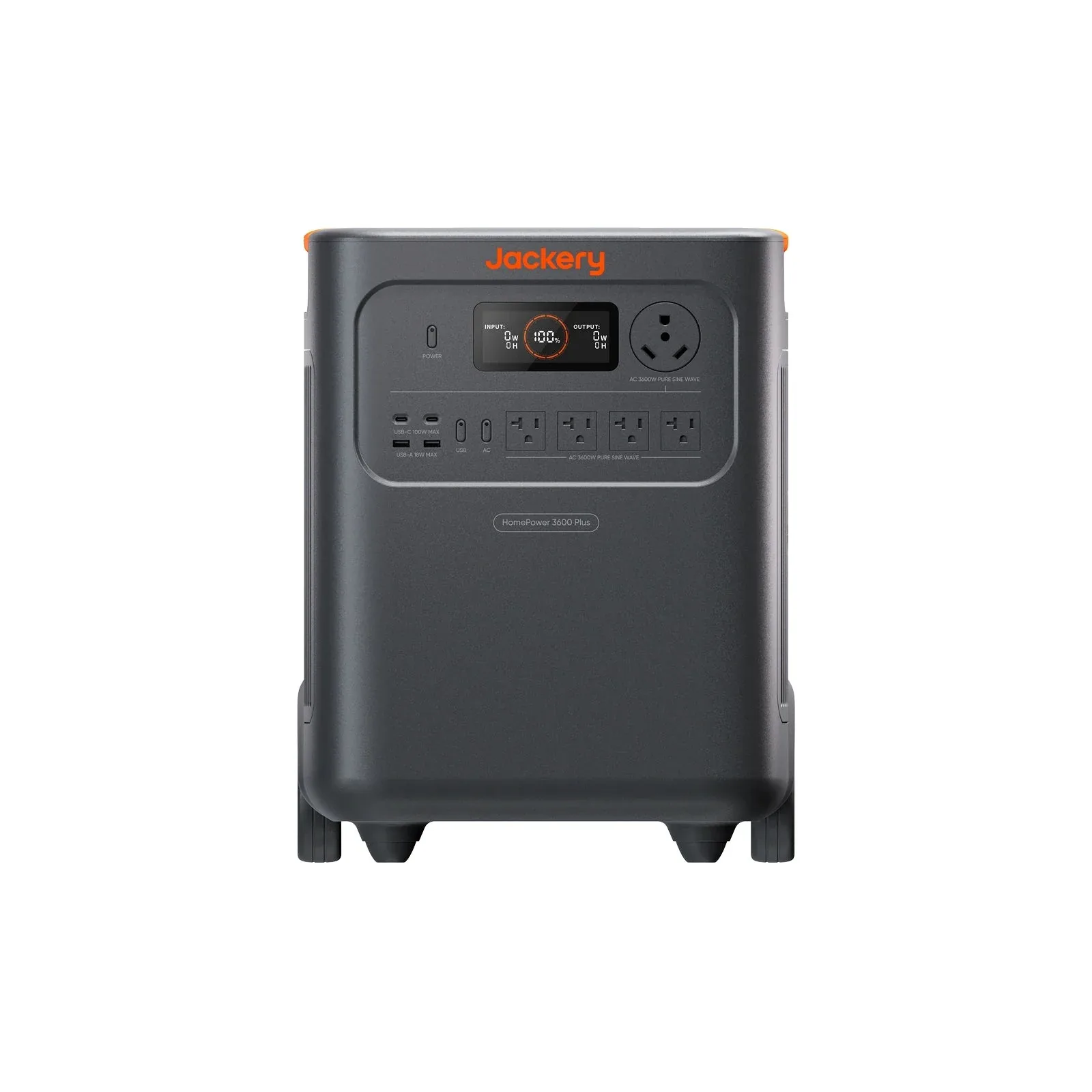
Introduction: A 2023 Power Station With One Serious Compromise
The Jackery Explorer 3000 Pro is a large, capable power station that arrived at the
wrong moment for long-term ownership. Jackery's official product record dates the model
to January 11, 2023, not to the publication date of a later review. That makes it an
older design in 2026, but age alone is not the problem. The problem is that a 3,024Wh
station with a 3,000W inverter still uses traditional lithium-ion cells while newer
competitors have moved heavily toward LiFePO4.
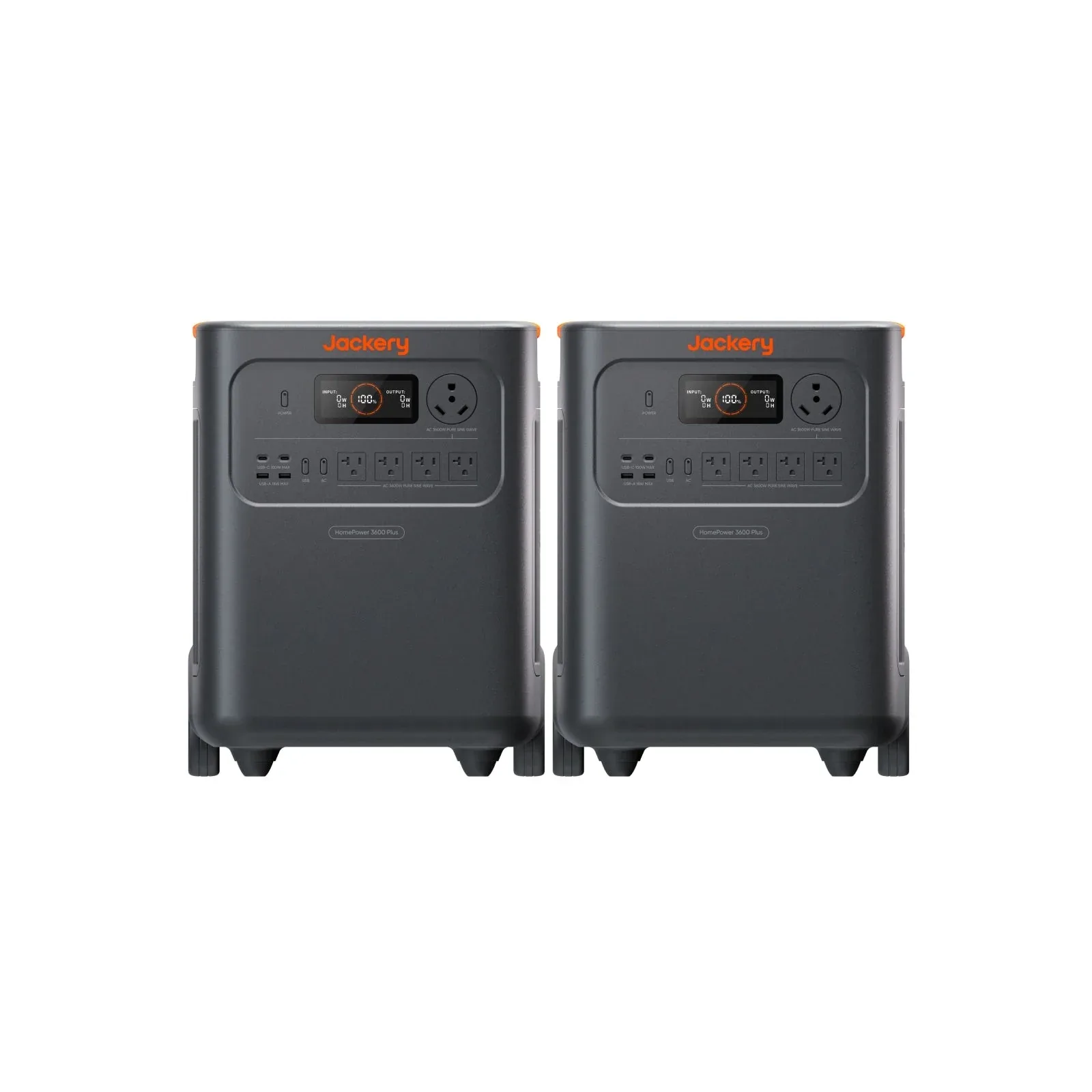
Jackery product page (Manufacturer product image)
The rest of the specification remains useful. Jackery rates the Explorer 3000 Pro for
3,000W of continuous AC output, a claimed 6,000W surge, 1,800W wall input, and up to
1,400W of solar input. SolarLab's independent review found that it sustained the
3,000W rating, charged at the advertised 1,800W rate, and drew only about 7W with the
inverter on and no load. Those are practical strengths for an RV, workshop, cabin, or
home-outage kit.
The recommendation is therefore narrow. Buy one at a substantial discount if you need
high output now, value fast charging, and will move it mostly by rolling it. Skip it if
you plan to cycle the battery daily, want a system that can grow, or are paying anything
close to its original $2,799 price. The Explorer 3000 Pro is still good equipment; it is
not still a good default purchase.
Design, Controls, and Port Layout
At 64lb, this is portable in the same sense as wheeled luggage, not a large power bank.
The integrated suitcase handle and wheels make it practical to pull across a garage,
driveway, campground, or smooth floor. They do not make it pleasant to lift into an SUV,
carry up stairs, or reposition over rocky ground. A buyer who expects to move it during a
blackout should decide in advance where it will live and whether a second person will be
available.
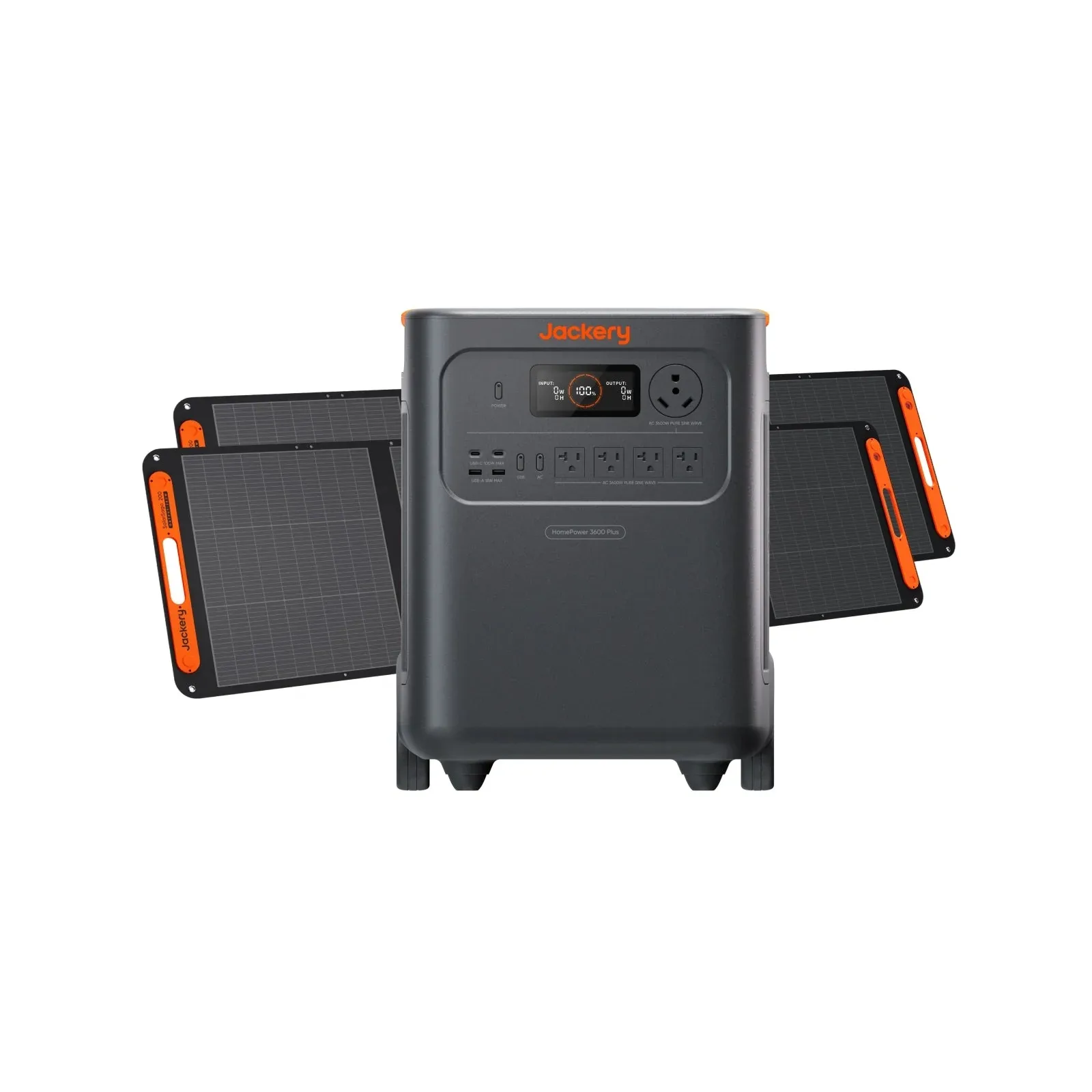
Jackery product page (Manufacturer product image)
The output layout is unusually friendly to mixed loads. The official page lists four
120V AC outlets rated at 20A, plus a fifth 120V outlet rated at 25A. There are two USB-C
ports with up to 100W output, two USB-A ports rated up to 18W, a 12V car socket, and a
30A-style RV outlet. The last item needs careful interpretation: the inverter is limited
to 3,000W, so the RV-style connection is effectively limited to 25A rather than a full
30A continuous supply.
Jackery's display is clear enough for basic battery and load checks, and the Explorer
3000 Pro works with the Jackery app for remote monitoring and settings. That combination
is useful when the station is sitting beside a refrigerator or at the back of an RV.
It does not turn the product into a whole-home energy-management system. There is no
expansion battery port, and the fixed enclosure leaves little room for changing the
system's role later.
Charging and Battery Performance
The 3,024Wh battery is the model's defining strength and its biggest ownership concern.
A battery this large can cover a meaningful outage load or support several days of
moderate campsite use. But it uses older lithium-ion chemistry rather than LiFePO4.
That does not make the station unusable or unsafe by itself; it does mean buyers should
be more cautious about treating it as a daily-cycling battery, particularly when newer
stations offer longer cycle-life designs at similar capacity.
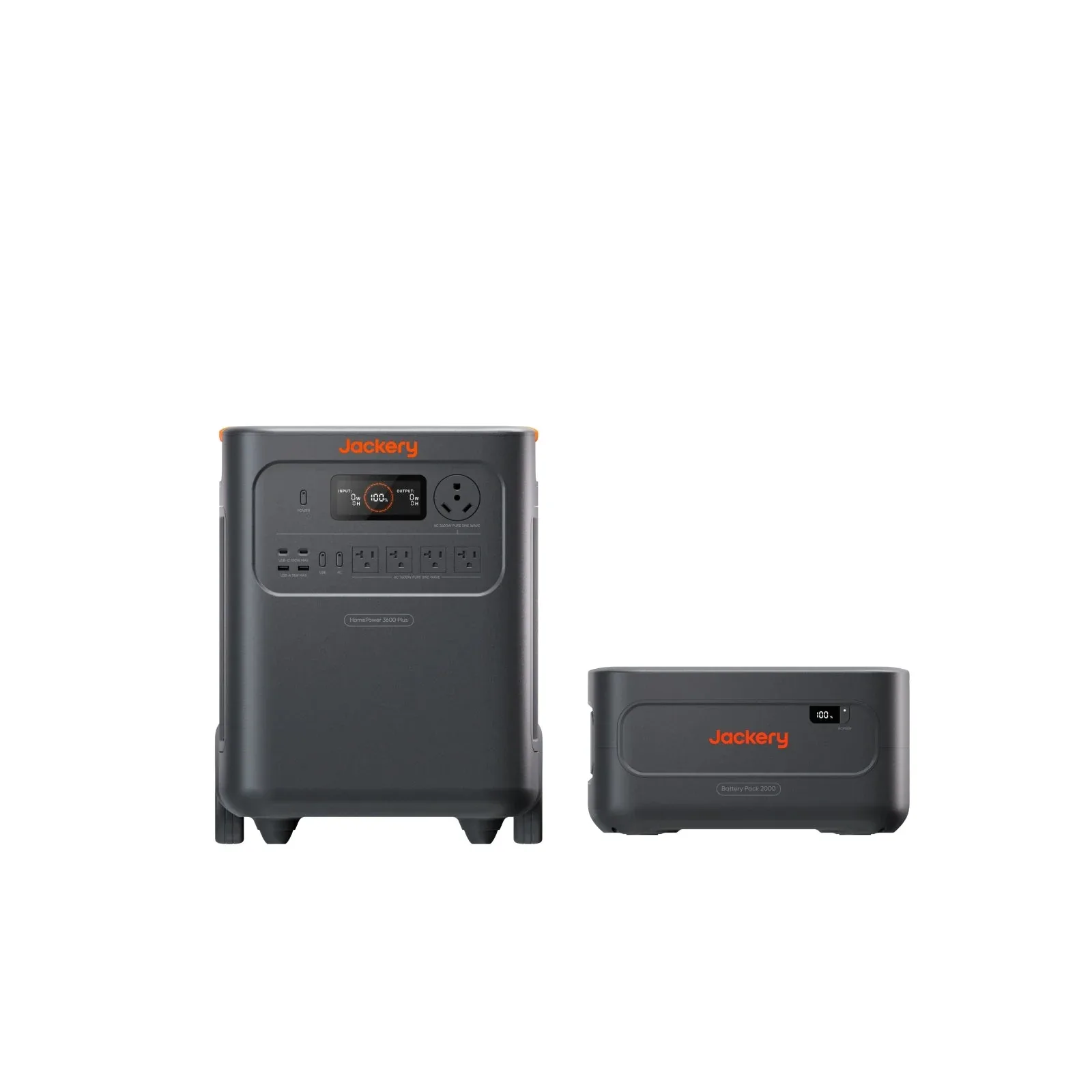
Jackery product page (Manufacturer product image)
Charging is much easier to praise. Jackery specifies up to 1,800W from AC and up to
1,400W from solar through two inputs. SolarLab reported that the unit reached the
advertised 1,800W wall rate and estimated a full AC charge in roughly 1.2 to 1.5 hours
under normal conditions. Its reviewers also reported a full solar refill in about two
hours with a sufficiently large array. Those are test observations, not promises for a
cloudy roof, a partially shaded campsite, or an aged battery.
The 1,400W solar ceiling is particularly useful for an outage plan. A 3kWh station can
otherwise take too long to replenish from a small portable array, forcing a household
to ration loads. Here, the limiting factor is more likely to be available sunlight and
panel size than the station's input electronics. Solar charging still tapers near full,
and the maximum input is not a forecast of daily harvested energy.
SolarLab measured inverter efficiency at about 80% and idle draw at approximately 7W.
That efficiency is the number to use when estimating AC runtime: the battery's 3,024Wh
label is stored energy, not the amount that reaches a wall outlet. The low idle draw is
more encouraging for backup use because leaving the inverter ready does not consume
the battery at the alarming rate seen in some large stations.
Real-World Output and Surge Behavior
The Explorer 3000 Pro's 3,000W continuous rating is credible. SolarLab ran sustained
loads at the rated output without overheating or unexpected shutdowns. That gives the
station enough headroom for a refrigerator, freezer, lights, networking equipment,
chargers, and a countertop appliance, provided their combined running demand stays
within the limit.
The 6,000W surge claim deserves less confidence. SolarLab was able to reach about
4,500W reliably, while higher short bursts caused the unit to trip. That is still useful
starting headroom for many motors and compressors, but it is not the same as having a
6,000W inverter. Check both running and startup wattage for pumps, air conditioners,
large tools, and refrigerators before making the station part of an emergency plan.
The 30A-style outlet creates a similar expectation gap. It is convenient for an RV
connection, but the 25A practical limit means it cannot deliver a full 30A load from
this inverter. That is not a problem for every camper; it is a problem for a buyer who
chooses the product specifically to replace a true 30A shore-power source.
For home backup, the station is best assigned to selected circuits or individual
loads. It can run critical appliances and electronics, but it is not expandable and
does not become a permanently wired transfer system just because its output is large.
Any fixed electrical connection should be designed and installed according to local
requirements.
Jackery Explorer 3000 Pro vs. the Alternatives
The Jackery HomePower 3000 is the most revealing in-brand alternative. It uses a
newer home-backup design and offers an expansion path, while the Explorer 3000 Pro is
lighter on long-term commitment but sealed at 3,024Wh. Choose the older model only when
its discount and wheels matter more than future capacity.
The EcoFlow DELTA Pro is heavier and built around a larger ecosystem, but it offers
substantial expansion and a clear path to a more permanent backup setup. The Jackery is
the simpler choice for a single wheeled station; EcoFlow is better suited to a buyer
who already knows that one battery will not be enough.
The BLUETTI AC500 with B300-series batteries is another modular option for a garage,
RV, or home-energy installation. It is less convenient as a single self-contained
purchase, but its architecture is a better match for buyers who want to add storage
over time.
The Anker SOLIX F3800 represents the newer end of this category: a large station
designed around higher-output home backup and expansion. It is substantial equipment,
not a casual camping battery, but it makes the Explorer 3000 Pro's fixed lithium-ion
pack look harder to justify at anything near list price.
Who Should Buy It?
Buy the Explorer 3000 Pro if you find a verified unit at a clear discount and your use
case is occasional high-output power: RV weekends, a workshop, storm preparation, or a
cabin where fast wall and solar charging are valuable. Its wheels, generous ports,
3,000W continuous output, and low idle draw form a coherent package for that job.
Skip it if you want daily cycling, long-term expansion, or the best battery chemistry
available in this capacity class. Also skip it if you need to carry the station often,
need a true 30A continuous RV source, or would be stretching to pay its old $2,799
MSRP. A newer 2kWh LiFePO4 station can be the better purchase when the actual loads
are a refrigerator, router, lights, and device charging.
Verdict
The Jackery Explorer 3000 Pro has not become bad equipment just because its launch date
is now several years behind us. It still charges quickly, sustains 3,000W, provides a
useful port mix, and rolls more easily than its 64lb weight suggests. SolarLab's
measurements support the important practical parts of that story.
But the product's weaknesses are structural. The battery is older lithium-ion, the
6,000W surge headline overstates what independent testing could reproduce, the RV
outlet is really a 25A connection, and the capacity cannot grow. Those compromises are
acceptable only when the purchase price reflects the model's age. At the original
$2,799 MSRP, buy a newer LiFePO4 platform instead. At a deep discount, the Explorer
3000 Pro remains a capable single-box power source for occasional heavy loads.
Frequently Asked Questions
When did the Jackery Explorer 3000 Pro launch?
Jackery's official product record lists January 11, 2023. That is the primary-source
product date used here, not the discovery review's publication date.
How much battery capacity does it have?
The Explorer 3000 Pro has a 3,024Wh lithium-ion battery. AC runtime will be lower than
the nameplate because the inverter and connected devices consume energy.
Can it really output 3,000W continuously?
Yes. Jackery rates it at 3,000W, and SolarLab reported sustained testing at that level
without overheating or unexpected shutdowns. Appliance startup requirements still
matter.
Is the 6,000W surge rating reliable?
Treat it as a claim rather than a guaranteed working limit. SolarLab reached about
4,500W reliably and found that higher surges could trip the station.
Is the battery LiFePO4?
No. The Explorer 3000 Pro uses traditional lithium-ion cells. That is the main reason
to prefer a newer LiFePO4 station for frequent cycling or long-term daily backup.
Can I add another battery later?
No. The unit is not expandable. Its usable system capacity is fixed when you buy it.
How fast does it charge from the wall?
Jackery specifies up to 1,800W AC input. SolarLab reported roughly 1.2 to 1.5 hours
for a full wall charge under its test conditions; actual time varies with temperature,
starting charge, outlet limits, and the final charging taper.
How much solar input can it accept?
The maximum solar input is 1,400W through two charging inputs. That is an input ceiling,
not a guarantee of 1,400W in changing weather.
Can I use the RV outlet as a full 30A connection?
No. The outlet is styled for a 30A RV connection, but the inverter limits the station
to 25A in practice.
Is 64lb too heavy to move?
It is manageable to roll across a level surface with the handle and wheels. It is
awkward to lift into a vehicle or carry up stairs, so plan its storage location.
Can it run a refrigerator during an outage?
Usually, if the refrigerator's running and startup demands fit the station. Test the
exact appliance before depending on it, especially because surge performance varies by
load.
Is it a good daily home-backup battery?
Not as a first choice. Its output and charging speed are useful, but the older
lithium-ion chemistry and lack of expansion make a newer LiFePO4 platform more
convincing for repeated cycling.