Introduction
Most buying advice for portable power starts at the wrong end of the range. The
headline reviews go to the two-kilowatt-hour boxes that back a refrigerator through
an outage, and the small units get treated as an afterthought. That skips over the
question a lot of first-time buyers are actually asking: what is the least I can spend
to keep phones, a laptop, a camp light and maybe a CPAP running, from a brand that
will still answer the phone in three years?
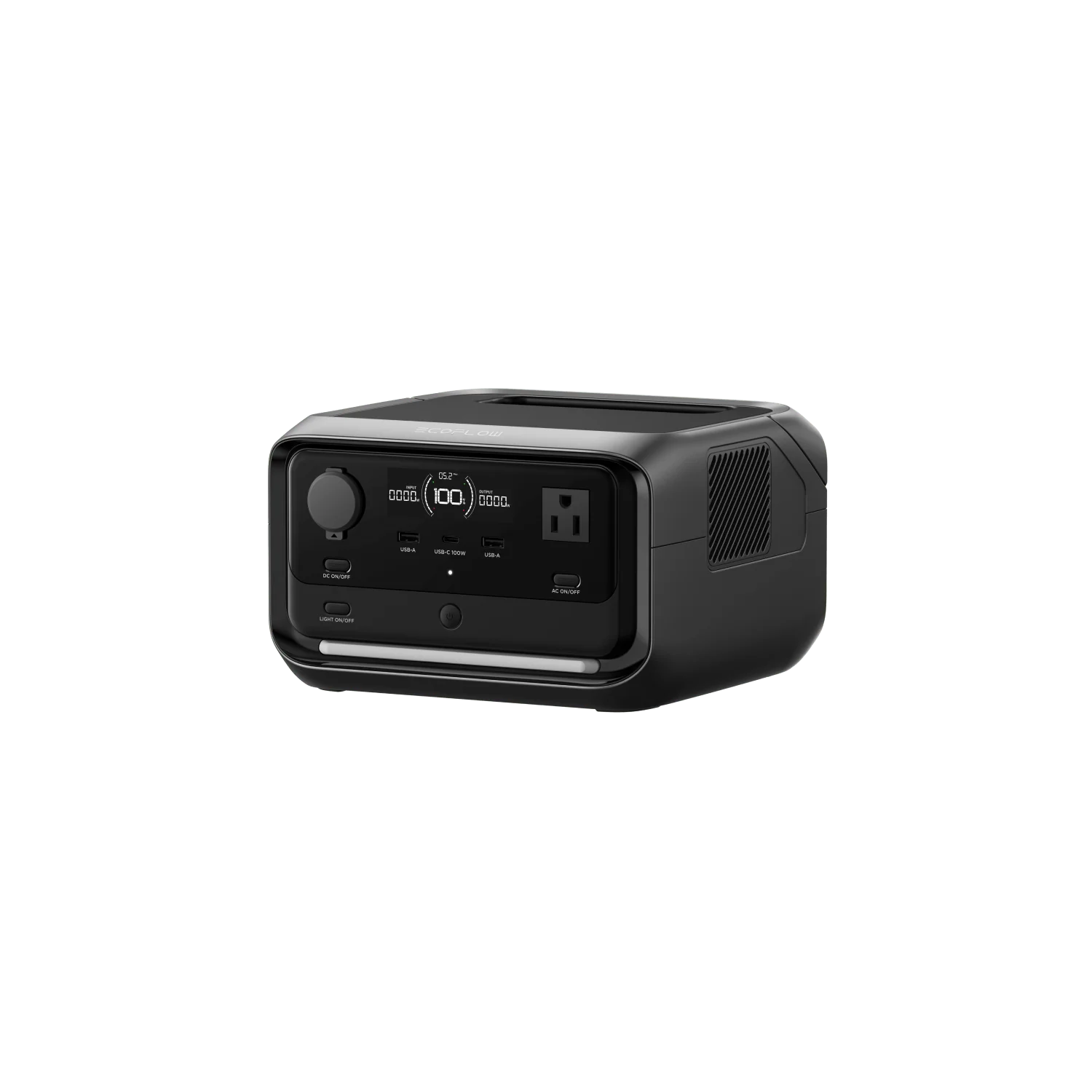
EcoFlow's RIVER 3 Plus is a direct answer to that question. It stores 286Wh in a
lithium iron phosphate pack, lists at $299, and — unlike most sub-$300 stations — is
not a sealed dead end. A wire-free Smart Extra Battery lifts total capacity to 858Wh,
so the same purchase can start as a weekend gadget charger and become a modest camp
or blackout reserve later. That upgrade path, more than any single spec, is what makes
this unit worth a serious look.
The honest framing matters here. At 286Wh, this is a device battery, not a home backup
appliance. It will not carry a fridge overnight or run a space heater for more than a
few minutes. Judged as what it is — a compact, expandable, entry-level LiFePO4 station
— it is one of the more sensible ways to spend $299 in this category. Judged as a
household energy plan, it was never the right tool.
Design and Portability
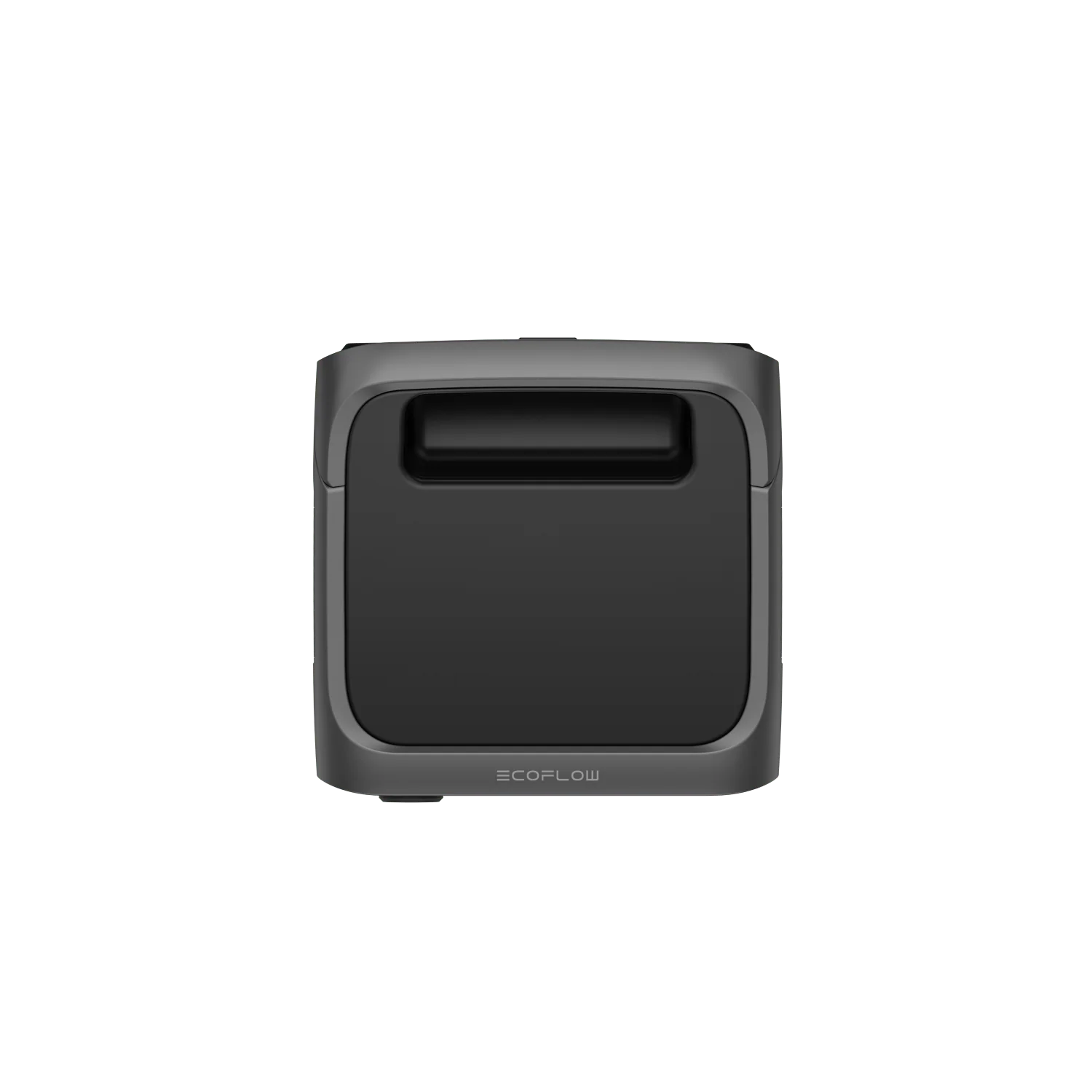
EcoFlow describes the RIVER 3 Plus as compact and lightweight, and while the company
does not publish a weight figure that I can confirm against an independent source, the
whole RIVER line has always been built to be carried casually rather than hauled with
intent. This is a unit designed to live on a desk, ride in a footwell, or sit in a
tent vestibule, and the physical footprint reflects that.
EcoFlow (Manufacturer product image)
EcoFlow (Manufacturer product image)
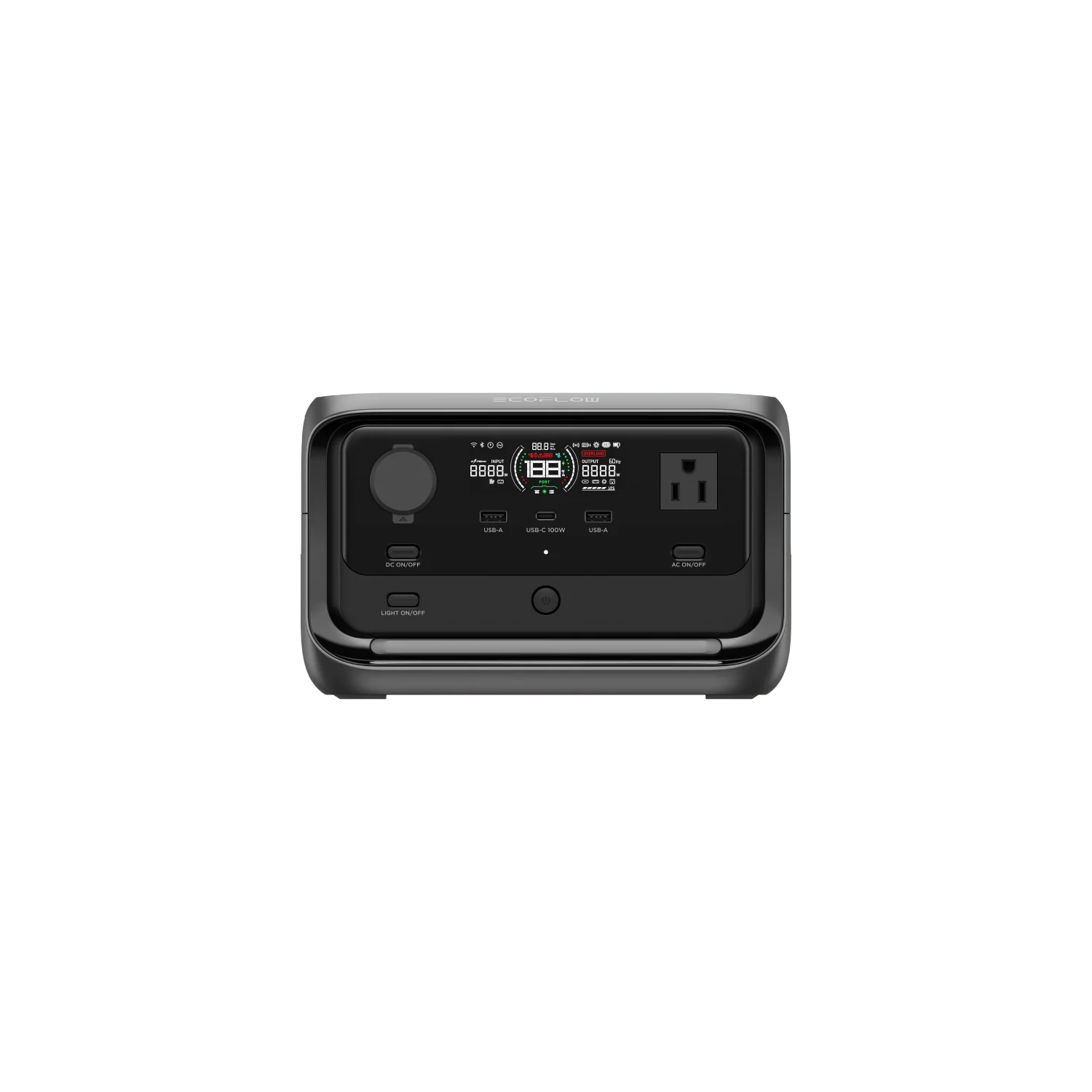
That small size cuts both ways, and the port layout is where the compromise shows. The
station carries AC, USB-A, USB-C and DC outputs, but EcoFlow's own listing does not
break those down into counts and per-port wattages that I can independently verify, so
I will not put numbers on them. What I can say is that a chassis this size does not
have room for the six-outlet spread you get further up the range. If your plan involves
keeping several high-wattage devices fed at once, confirm the exact port count against
current retail photos before you buy, because the compact body is the constraint.
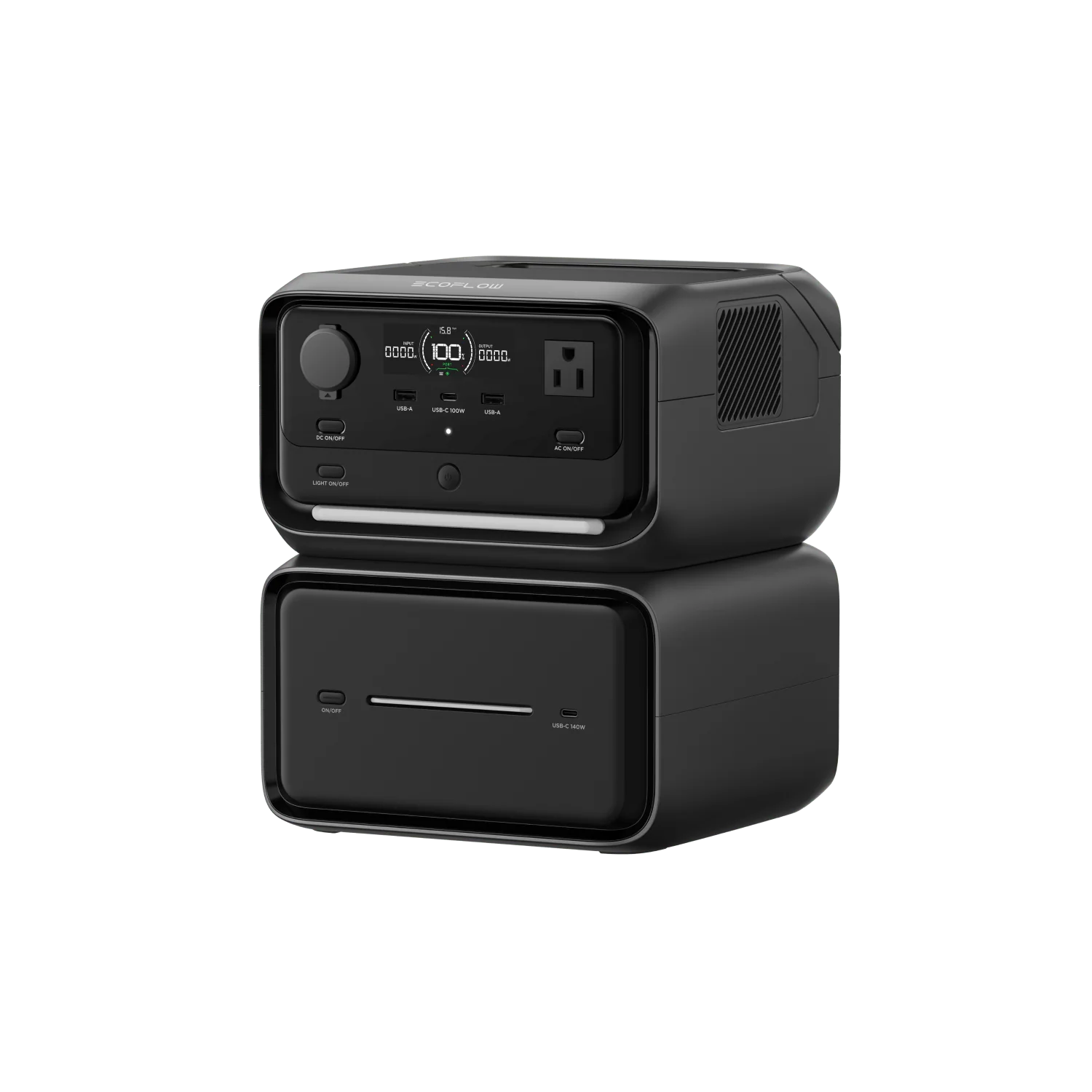
One design decision does deserve credit: the extra battery connects wire-free. EcoFlow
sells a RIVER 3 Plus Smart Extra Battery that stacks capacity without a loose,
easily-lost cable between the two units, which is a cleaner mechanical approach than the
external cable most expandable stations in this price bracket still rely on. There is
also an optional Tool Pegboard accessory at $39 for anyone who wants to hang the unit
and its cables on a workshop or van wall.
The pack chemistry is lithium iron phosphate, which is the right choice at this price.
LiFePO4 runs cooler and ages more gracefully than the older lithium-cobalt cells that
still show up in cheap power banks, and it is stable enough to leave charged indoors
without worry. EcoFlow does not publish a cycle-life rating for this specific model in
a source I can verify, so I will not quote one — but the chemistry itself is the
long-life option, and that is a meaningful upgrade over the generic sub-$300 field.
Output and Charging Performance
The inverter is rated at 600W continuous, with EcoFlow's X-Boost feature raising the
ceiling to 1,200W. This is the single most misunderstood specification on the unit, and
it is worth being precise about. X-Boost does not deliver a true 1,200W of clean power.
It lifts the wattage ceiling by lowering output voltage, which lets a higher-rated
resistive appliance — a kettle, a hair dryer, a small heater — draw current without
tripping the inverter, but it runs that appliance at reduced power. A 1,200W kettle on
X-Boost boils slower than it would from the wall. It is a genuinely useful feature for
squeezing more device compatibility out of a small inverter, but treat the 600W rating,
not the 1,200W figure, as the real budget for anything sensitive to voltage.
EcoFlow (Manufacturer product image)
Within that 600W envelope the RIVER 3 Plus covers the load it is designed for: laptops,
phones, a monitor, a router, camp lighting, a fan, a CPAP machine overnight. EcoFlow
markets the unit as delivering "up to 2x runtime for light-wattage appliances," a claim
tied to its power-management tuning for exactly those low-draw devices. That framing is
consistent with what the hardware is for — it is optimised for a string of small loads,
not one big one.
Charging is the specification EcoFlow leans on hardest, and it is a real strength. The
company claims a 0-100% AC recharge in about one hour, and states that this fast-charge
routine does not damage the battery. One hour from empty to full is quick for any
station, and on a 286Wh pack it means you can top the unit off over a lunch break or in
the window before you leave the house. As always with manufacturer charge times, that
figure is measured under favourable conditions, but even with real-world drift it
remains fast for the class.
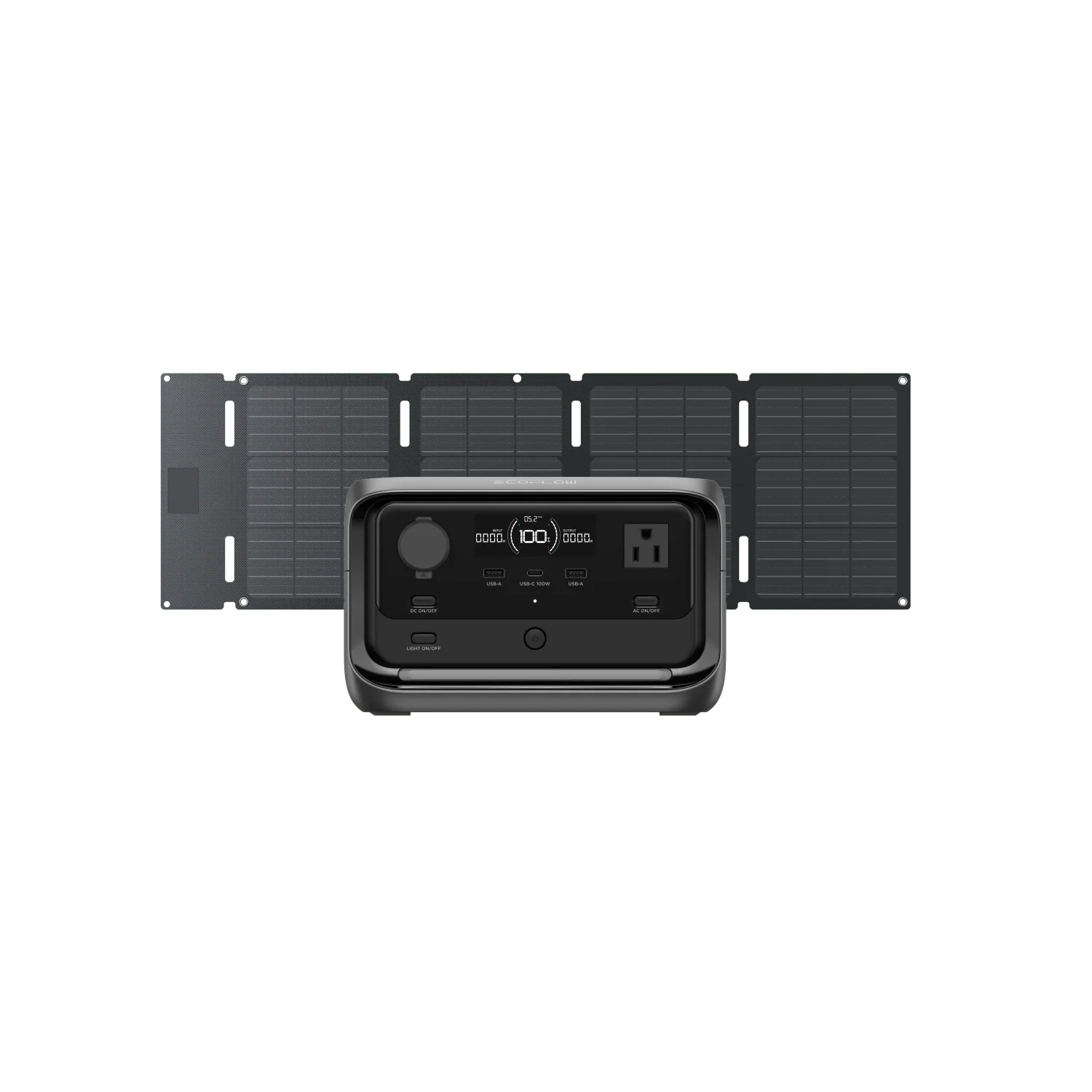
Solar tops out at 220W. Against a 286Wh battery that is a well-matched figure — a single
good day of sun can more than refill the pack — which makes the RIVER 3 Plus a
reasonable base for a small off-grid or camp setup. It is worth being clear that 220W is
an input ceiling for this unit and not a lot of panel in absolute terms; it suits a
compact folding panel, not a roof array. For the capacity involved, though, the balance
between battery size and solar input is sensible.
How It Stacks Up
vs. DJI Power 500 ($ class, 512Wh). The DJI unit stores 512Wh — nearly double the
RIVER 3 Plus at its base capacity — and runs a 1,000W inverter with two 100W USB-C
ports, charging fully in about 70 minutes and accepting 300W of solar. If you know you
want more headroom out of the box and do not care about expansion, the DJI is the more
capable single unit. The RIVER 3 Plus answers back on price and on the wire-free upgrade
path: start at $299, add capacity only when you actually need it.
EcoFlow (Manufacturer product image)
vs. Bluetti Elite 100 V2 ($499, 1,024Wh). These are not really the same purchase.
The Bluetti holds 1,024Wh, runs an 1,800W inverter and accepts up to 1,000W of solar —
it is a genuine small-appliance backup unit at $499. The RIVER 3 Plus is a third of that
capacity for a bit over half the price. If your needs are devices and a CPAP, the EcoFlow
is enough and cheaper; if you want to run a fridge or power tools, the Bluetti is the
floor you should be shopping at.
vs. EcoFlow's own DELTA 3 Classic ($419-$529, 1,024Wh). Inside EcoFlow's range, the
step up to a DELTA 3 Classic quadruples usable capacity to 1,024Wh for $419 to $529.
Anyone whose real requirement is household backup should look up the range rather than
expanding a RIVER; two Smart Extra Batteries chasing a DELTA's capacity is not the
economical route. The RIVER 3 Plus earns its place at the bottom of the ladder, not as
a stand-in for the rungs above it.
Who Should Buy It
Buy the RIVER 3 Plus if your power needs are measured in devices, not appliances. A
student, a renter, a weekend camper, or anyone who wants a name-brand LiFePO4 station to
keep phones, a laptop and a light running through a short outage will find $299 an easy
number to justify. The one-hour recharge and 220W solar input make it painless to keep
topped up, and the CPAP-friendly overnight runtime is a real use case for the base pack.
It also suits the buyer who wants to start small on purpose. Because the Smart Extra
Battery is a later, optional $159 purchase, you can buy in at $299, learn how much energy
you actually use, and only spend the extra money if 286Wh proves tight. That is a
genuinely low-risk way into the category.
Look elsewhere if you are shopping for backup rather than convenience. If the goal is to
carry a refrigerator through a blackout, run power tools, or bridge a multi-day outage,
286Wh is too little and even 858Wh is marginal — a DELTA 3 Classic or a Bluetti Elite
100 V2 is the honest starting point. And if you need a true 1,200W of clean output
rather than X-Boost's voltage-managed version, this is not the inverter for you.
The Verdict
The RIVER 3 Plus is a well-judged entry-level station that knows exactly what it is. For
$299 you get a LiFePO4 pack from a major brand, a fast one-hour recharge, sensible 220W
solar input, and — the part that sets it apart from the sub-$300 crowd — a wire-free path
to 858Wh when you need it. For phones, laptops, camp gear and a CPAP, it does the job
without drama.
The limits are the ones you would expect from the price and the size. The 286Wh base
capacity is small, the 600W inverter starts few big appliances, and X-Boost's 1,200W
figure is a voltage trick rather than true headroom. Several specs I would normally quote
— weight, cycle life, warranty length — are not published in sources I can confirm, and I
have left them out rather than guess. Reaching the full 858Wh also means a $159 add-on
that nudges the real cost toward the price of a larger single unit.
Taken for what it is — a compact, expandable, honestly-priced first power station — the
RIVER 3 Plus is one of the safer $299 buys in the category. Just buy it for the job it
does, and size up before you buy if your ambitions are bigger than a bag of devices.
Frequently Asked Questions
What can the RIVER 3 Plus actually run?
monitor, a router, camp lights, a fan, and a CPAP machine overnight. It is not sized to
run a refrigerator for long, a space heater, or power tools at full draw.
How long will it power a CPAP overnight?
without heat, most CPAP machines draw little enough that 286Wh can cover a full night;
with heated humidification the draw rises sharply and you may want the Smart Extra
Battery. Check your device's wattage against the 286Wh pack.
Is X-Boost the same as a 1,200W inverter?
appliance can run without tripping the 600W inverter. It runs those devices at reduced
power, so treat 600W as the real rating for anything voltage-sensitive.
How much extra does expansion cost, and how does it connect?
to 858Wh. It uses a wire-free connection between the two units rather than a loose
external cable, which is cleaner than most expandable stations in this price range.
Does the one-hour fast charge hurt the battery?
That is the manufacturer's claim; as with any fast-charge routine it is measured under
favourable conditions, but the LiFePO4 chemistry is the more heat-tolerant option to
begin with.
How much solar can I connect?
— a good day of sun can refill it — but it suits a compact folding panel rather than a
large fixed array.
How does it compare to the DJI Power 500?
single unit out of the box. The RIVER 3 Plus counters with a lower $299 price and a
wire-free path to 858Wh, letting you expand only when you need to.
Should I buy this or a larger station like the Bluetti Elite 100 V2?
want to back a refrigerator or run tools, the 1,024Wh Bluetti Elite 100 V2 at $499 is the
more honest starting point despite the higher price.
What specs should I not trust for this unit?
consistently published in sources I can verify. Confirm exact port counts and per-port
wattages against current retail listings before buying, since the compact body limits
how many outputs fit.
Is 286Wh enough to bother with?
laptops and lights, and it recharges in about an hour. If you already know you need to
run appliances, buy up the range instead; 286Wh will feel tight almost immediately.