Introduction
The Anker SOLIX C800 is the value pick this whole category needs more of. For $399 you get 768 watt-hours of long-lived lithium iron phosphate battery and a 1,200-watt inverter, in a 19.8-pound box that a healthy adult can carry with one hand. That is a genuinely strong specification-to-price ratio, and it makes stations like the older, pricier Goal Zero Yeti 500X look overmatched on paper and in practice.
Set expectations correctly, though. The C800 is a weekend-camping and short-outage station for small and medium loads. Its 1,200-watt inverter is strong enough to briefly handle the startup surge of many appliances, but its 768Wh capacity is modest, so it empties quickly under heavy draw. This is not whole-home backup, and pretending otherwise sets buyers up for disappointment. Think campsite, van, tailgate, home office, and a fridge-or-two's worth of small loads during a brief outage — not running your house.
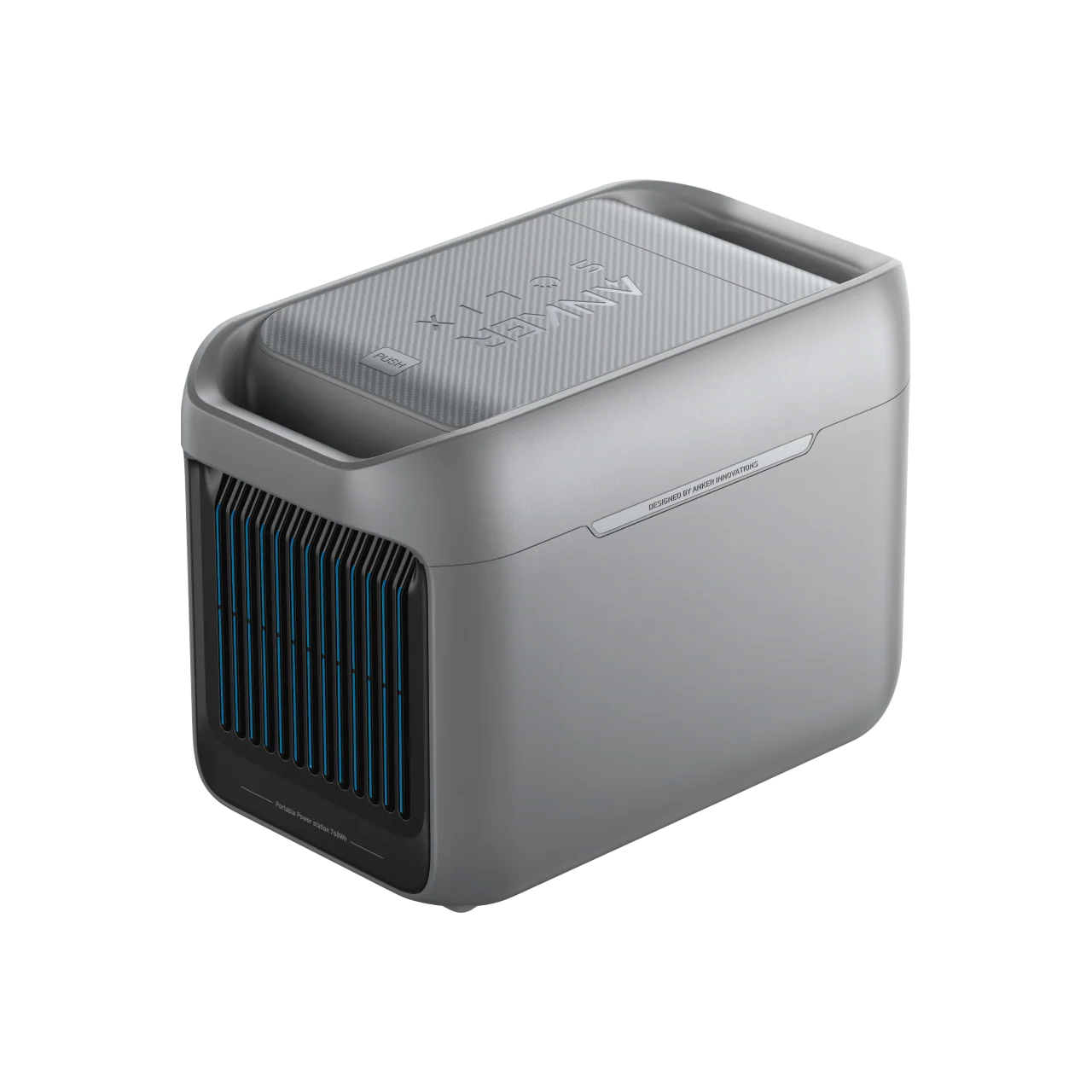
Design and Build
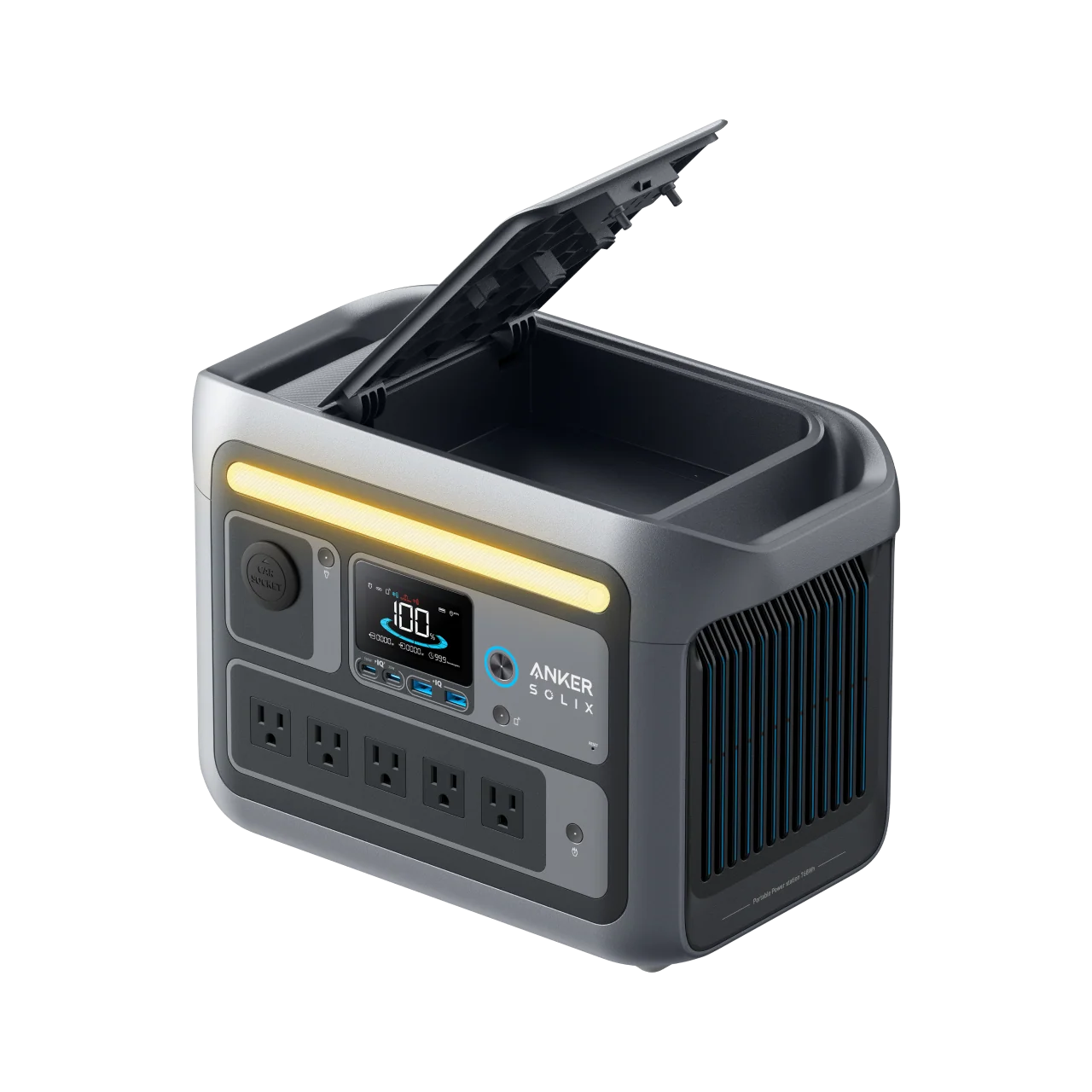
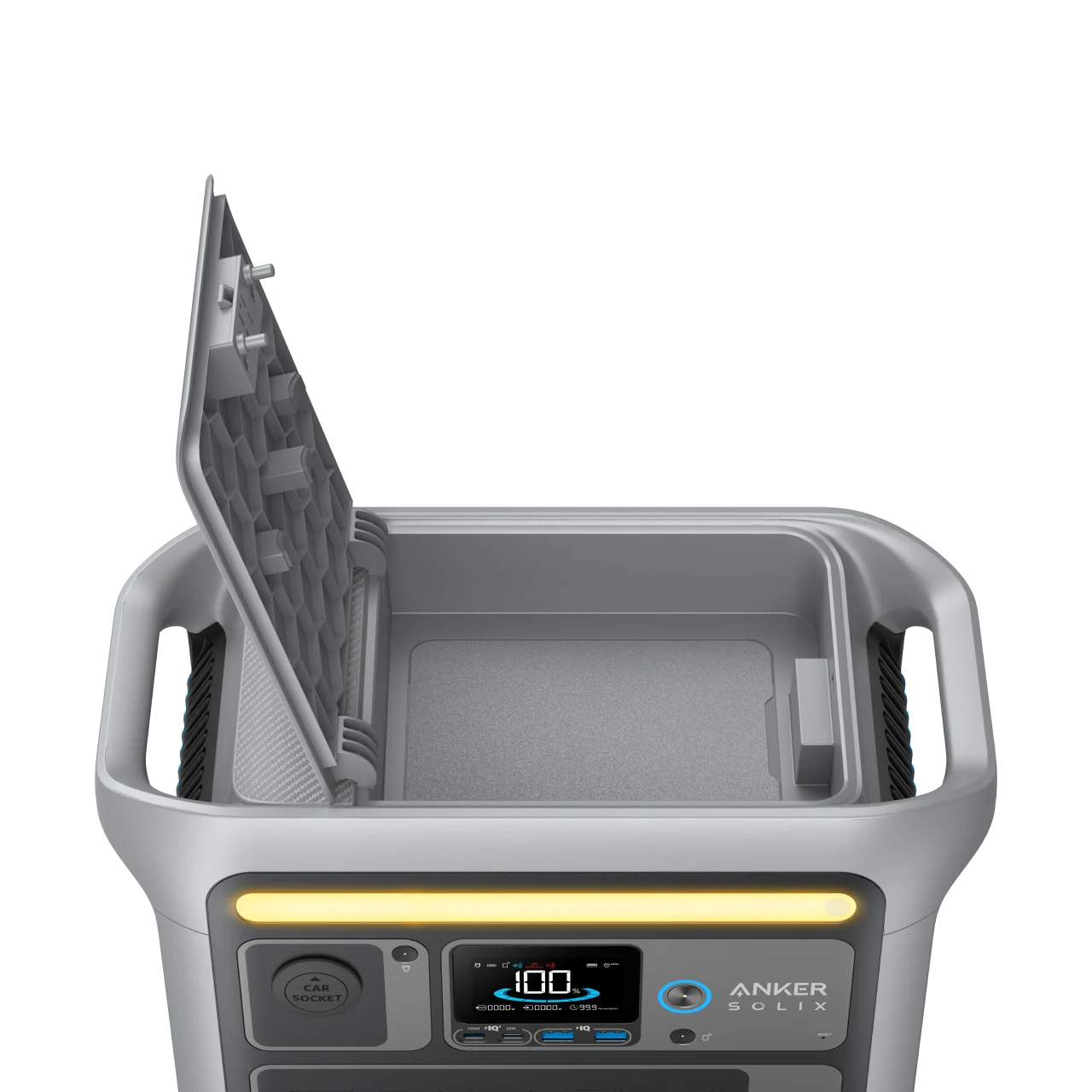
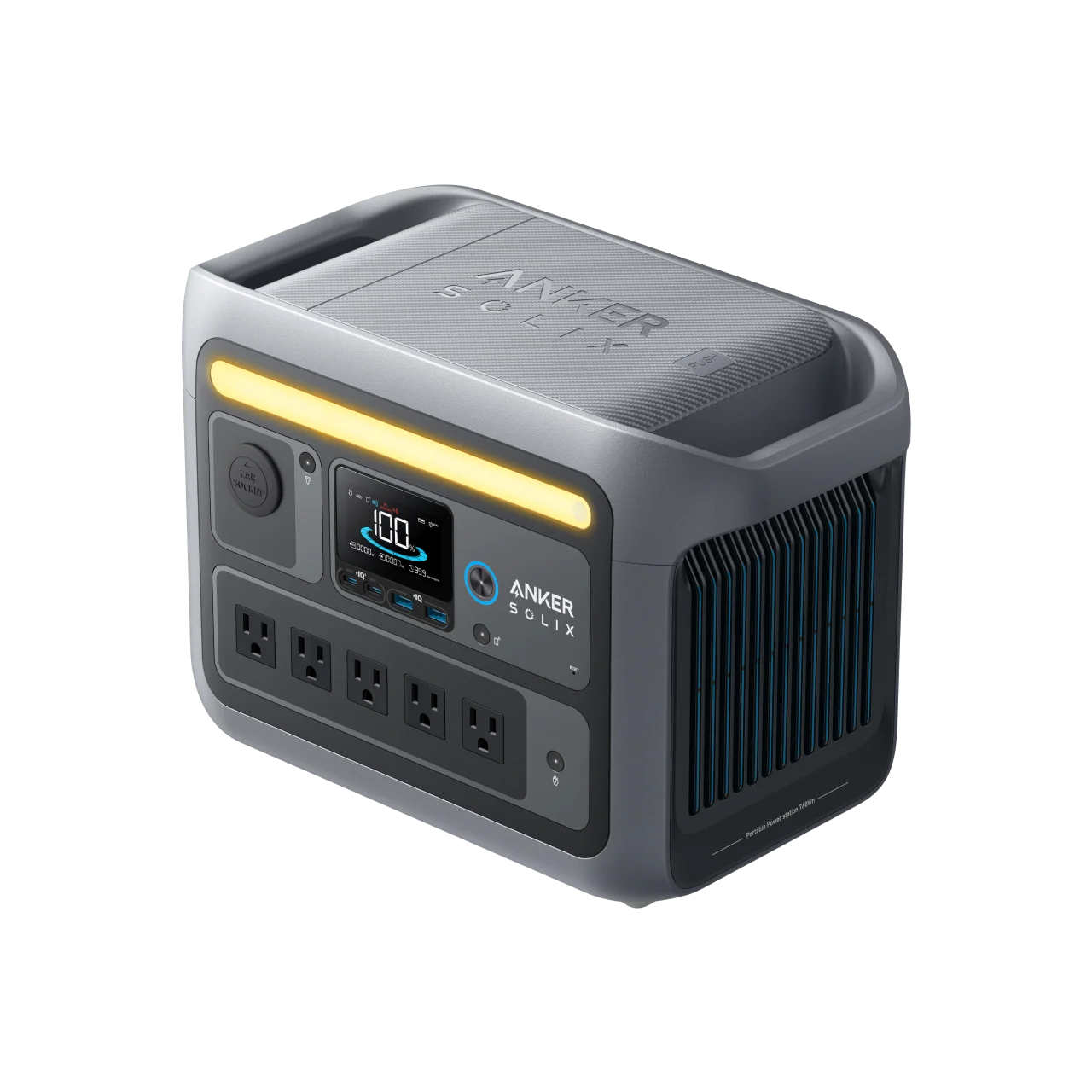
Anker built the C800 to be lifted and moved. At 19.8 pounds it is heavier than a small camping pack but light for its capacity, and the recessed side handles make it easy to reposition. The chassis feels dense and well-assembled, with a bright display up top that reports input and output wattage, remaining charge, and a live runtime estimate. It is the kind of build that survives being loaded into a truck bed and hauled to a campsite without complaint. Some versions include built-in lighting on the unit, a small touch that earns its keep in a dark campsite. The runtime estimate updates as loads change, so you can see the cost of plugging in a second device before you commit to it.
Anker (Manufacturer product image)
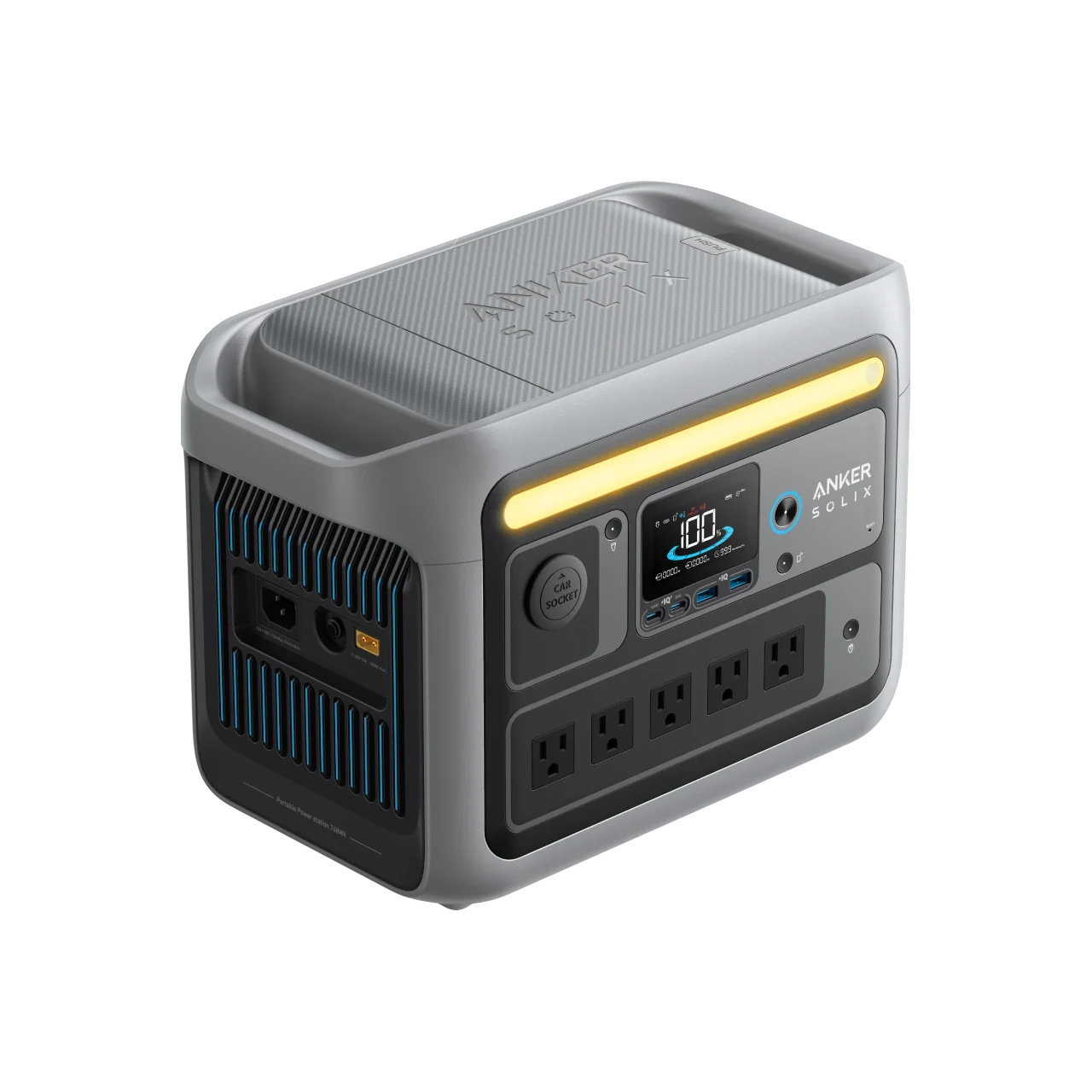
The port count is generous for the price: multiple AC outlets from the 1,200-watt inverter, several USB-A ports, high-wattage USB-C Power Delivery ports capable of fast-charging laptops directly, and a 12-volt car socket. That USB-C output matters — you can skip the AC inverter entirely for laptops and phones, which is more efficient and stretches the battery further. Having several output types at once means the C800 can charge a laptop, a phone, and a cooler simultaneously without an adapter shuffle.
The standout is chemistry. The C800 uses lithium iron phosphate cells, which typically endure several thousand charge cycles before meaningful capacity loss — often 3,000 or more, against the few hundred to low thousands of the older NMC packs. In plain terms, a LiFePO4 station like this can be cycled almost daily for years and still hold most of its capacity. For a unit you might use every weekend, that longevity is a real, money-saving advantage. Spread the $399 price across a decade of weekend trips and the per-use cost is low, which is the quiet strength of LiFePO4 that spec sheets rarely spell out.
Performance and Real-World Runtime
Do the math and the C800's honest capabilities come into focus. Start with 768Wh, run it through the inverter at roughly 88 percent efficiency, and about 675Wh is available at the AC outlets. Draw power over USB-C instead and you keep even more, because you skip the inverter's conversion loss entirely.
Anker (Manufacturer product image)
A 60-watt laptop runs for roughly 11 hours from a full charge. A typical phone, holding 12 to 19 watt-hours, can be recharged more than 30 times. A 50-watt 12-volt cooler runs comfortably overnight and well into the next day. A CPAP drawing 40 watts without heated humidification can run for around 15 hours — a night or two — though you should confirm your own machine's numbers before depending on it.
The 1,200-watt inverter is the C800's biggest advantage over smaller stations. It can momentarily absorb the startup surge of many appliances and run devices that a 300-watt unit flatly rejects. The honest limit is capacity, not output. You could plug in a full-size refrigerator and the inverter would handle it, but a fridge that averages 60 to 80 watts once its compressor cycles — roughly a third of the time — would still drain 768Wh in well under a day, and running a fridge is not what this station is best used for. It shines with laptops, phones, lights, fans, small coolers, routers, and CPAP machines, where its runtime is measured in useful hours. The rule of thumb is that the C800 rewards steady, modest draws and punishes sustained heavy ones — plan your loads accordingly and you will rarely be caught short on a weekend.
For a brief power outage, the C800 can keep phones charged, a router online, and a small fridge or two cold for a stretch while you ride out the disruption. Just do not confuse "gets you through a few hours" with "backs up your home for days." The capacity is not there for the latter, and no framing changes 768Wh into a house battery.
Charging Speed
This is another place the C800 pulls ahead of older stations. It charges quickly from a wall outlet — Anker's newer stations are built around fast AC recharge, so you can refill a large chunk of the battery in a short window rather than waiting overnight. It also accepts solar and 12-volt car input for off-grid top-ups, with real solar performance depending on panel size and sun. A UPS-style pass-through mode lets it sit between the wall and a sensitive device, switching to battery quickly enough to keep many electronics running through a brief cut, though it is not a substitute for a dedicated online UPS for critical gear.
Anker (Manufacturer product image)
How It Compares
Put the C800 next to the Goal Zero Yeti 500X and the contrast is stark. The Anker offers 768Wh to the Yeti's 505, a 1,200-watt inverter to the Yeti's 300, longer-lived LiFePO4 chemistry against the Yeti's older NMC, and faster charging — all for well under the Yeti's $699 price. On value it is not a close contest. Jackery's Explorer 1000 and EcoFlow's River and Delta stations are the more serious competition, matching the C800 on chemistry and often on capacity, and shoppers should cross-shop those on price, weight, and port layout.
Anker (Manufacturer product image)
Where the C800 gives ground is brand track record and service network. Anker is newer to power stations than to charging accessories, and its service footprint for large batteries is less established than some rivals'. The app is functional but basic, covering monitoring and port control without much polish. Those are fair caveats, but none of them undo the core value story: at $399 for 768Wh of LiFePO4 with a 1,200-watt inverter, this is one of the better deals in its size class. If you value a long service record above sticker value, a Jackery or EcoFlow may give more peace of mind, but you will usually pay for it.
Who Should Buy It — and Who Should Skip
Buy the C800 if you camp or road-trip on weekends, work off-grid with a laptop and small gear, want a capable station for CPAP use after verifying your machine's draw, or want a modest cushion for short outages. Its capacity, output, chemistry, and price line up well for all of those.
Skip it if you need true multi-day, whole-home backup — you want a larger, expandable system for that. Skip it if you routinely run high-wattage appliances for hours, since 768Wh will not sustain them. And weigh the brand-service caveat if long-term warranty support in your region is a priority.
The Bottom Line
The Anker SOLIX C800 does the important things right for the money. Its 768Wh LiFePO4 battery, 1,200-watt inverter, fast charging, and 19.8-pound portability make it a strong weekend-camping and small-load station, and a sensible CPAP companion once you have checked your machine's wattage. It is not home backup, and its capacity limits heavy use, but at $399 it delivers more capability per dollar than most of its rivals — and it makes the pricier Goal Zero Yeti 500X hard to justify. For most people shopping this size, it is the smarter buy.
Frequently Asked Questions
Is the C800 enough to back up my whole house?
No. At 768Wh it is a portable station for small and medium loads, not a home backup battery. It can keep phones, a router, lights, and a small fridge going for a few hours during a short outage, but true whole-home backup needs a much larger, expandable system.
Will it run my CPAP through the night?
Usually yes, with a caveat. A CPAP drawing about 40 watts without heated humidification can run roughly 15 hours on a full charge — a night or two. Heated humidification can roughly double the draw and cut that sharply. Check your machine's documented wattage and prefer running without the humidifier to be safe.
Can it start and run a refrigerator?
The 1,200-watt inverter can handle the startup surge of many refrigerators, so it will physically run one. But 768Wh limits you to a stretch of hours, not days, because even an efficient fridge steadily draws power as its compressor cycles. It is fine for keeping food cold during a short outage, not for long-term fridge duty.
How does the LiFePO4 battery affect lifespan?
Lithium iron phosphate cells typically last several thousand charge cycles — often 3,000 or more — before capacity noticeably drops, far longer than the older NMC chemistry in some competing stations. You can cycle the C800 frequently for years and expect it to hold up.
How long does it take to recharge?
Quickly from a wall outlet by category standards, thanks to Anker's fast AC charging, so you can refill a large portion of the battery in a short window rather than overnight. Solar and car charging are available for off-grid top-ups and are slower.
Can I take it on a plane?
No. At 768Wh it is far above the 100Wh airline limit for lithium batteries in carry-on bags. Only small personal power banks under 100Wh are allowed in the cabin, so a station this size stays home when you fly.
How does it compare to the Goal Zero Yeti 500X?
The C800 wins clearly: more capacity, four times the inverter output, longer-lived chemistry, faster charging, and a lower price. Unless you are committed to Goal Zero's solar ecosystem, the C800 is the better value.
What can I actually power with it?
Laptops, phones, tablets, LED lights, fans, routers, small 12-volt coolers, CPAP machines, and briefly higher-draw devices up to 1,200 watts. The limit you will hit first is runtime, not output, so it suits electronics and small loads better than sustained high-wattage appliances.
Are there hidden costs or accessories I need?
Not to get started — it charges from a standard wall outlet out of the box. Solar panels are an optional add-on for off-grid use, and there are no subscriptions or consumables. Budget for a compatible panel only if you plan to camp off-grid for more than a day or two, in which case a folding solar panel turns the C800 into a small renewable setup that can run indefinitely in good sun.