Introduction: the C1000 Gen 2's real tradeoff
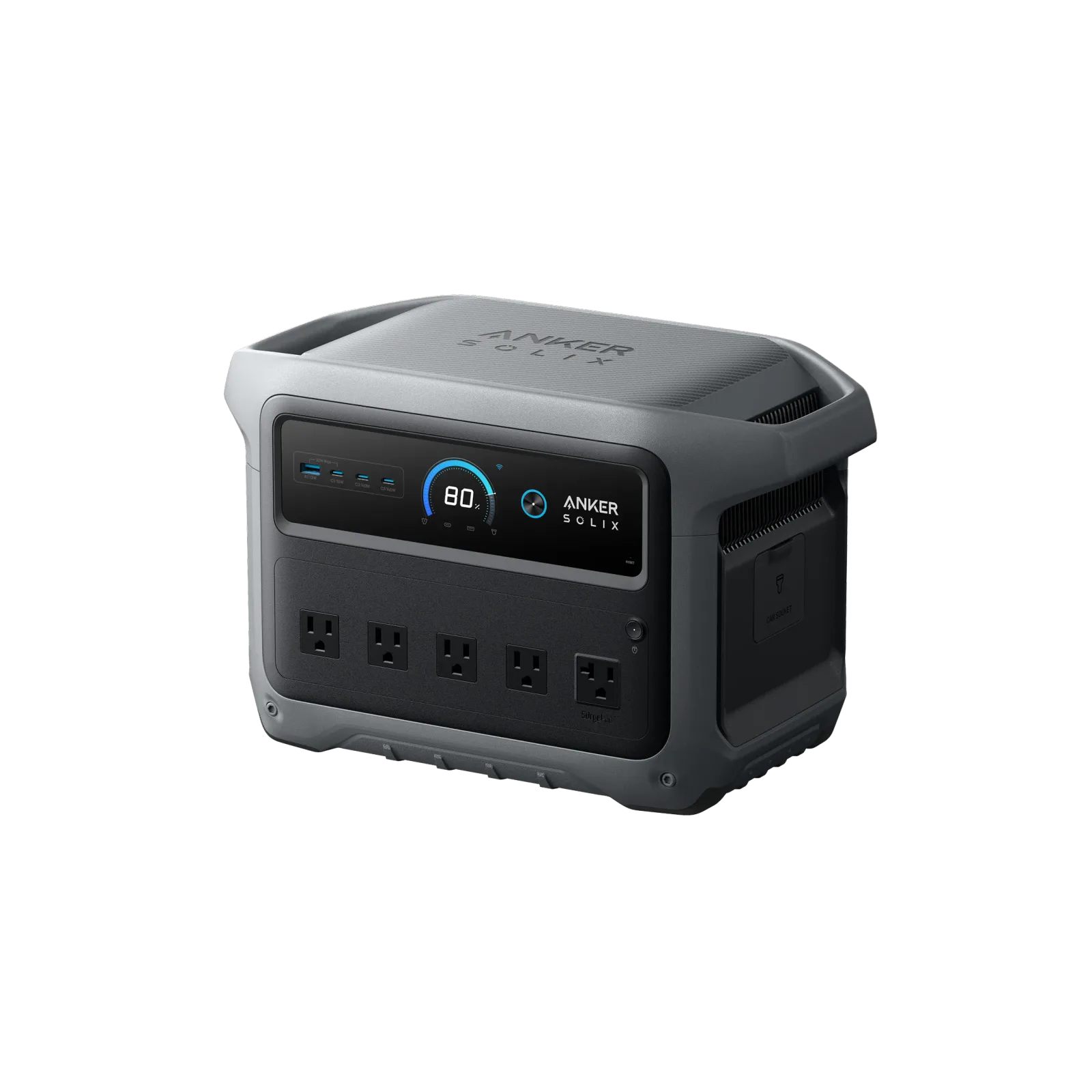
The Anker SOLIX C1000 Gen 2 is a fast 1kWh power station for buyers who would rather carry one compact box than build a larger battery system later. Anker gives it a 1,024Wh battery, a 2,000W continuous inverter, 600W solar input, and a claimed 49-minute full wall recharge. Those are strong numbers for a unit listed at $529.99 and weighing 24.9 pounds.
Anker product page (Manufacturer product image)
The catch is not hidden in the fine print: the C1000 Gen 2 cannot accept an expansion battery. The older Anker SOLIX C1000 is slower and slightly heavier, but it can grow. That makes the Gen 2 a more focused product than its name suggests. It is a high-output, quick-refill station for a fridge, networking gear, CPAP machine, tools, and weekend equipment — not the first brick in a whole-home battery system.
Anker's product page is unusually clear about the model's purpose. The Gen 2 is smaller and lighter than the older C1000, and Anker says it reaches 80% capacity after 4,000 cycles. Those are manufacturer claims rather than independent test results, so the useful conclusion is narrower: the C1000 Gen 2 looks compelling when portability and recharge time matter more than future capacity.
Design, controls, and everyday handling
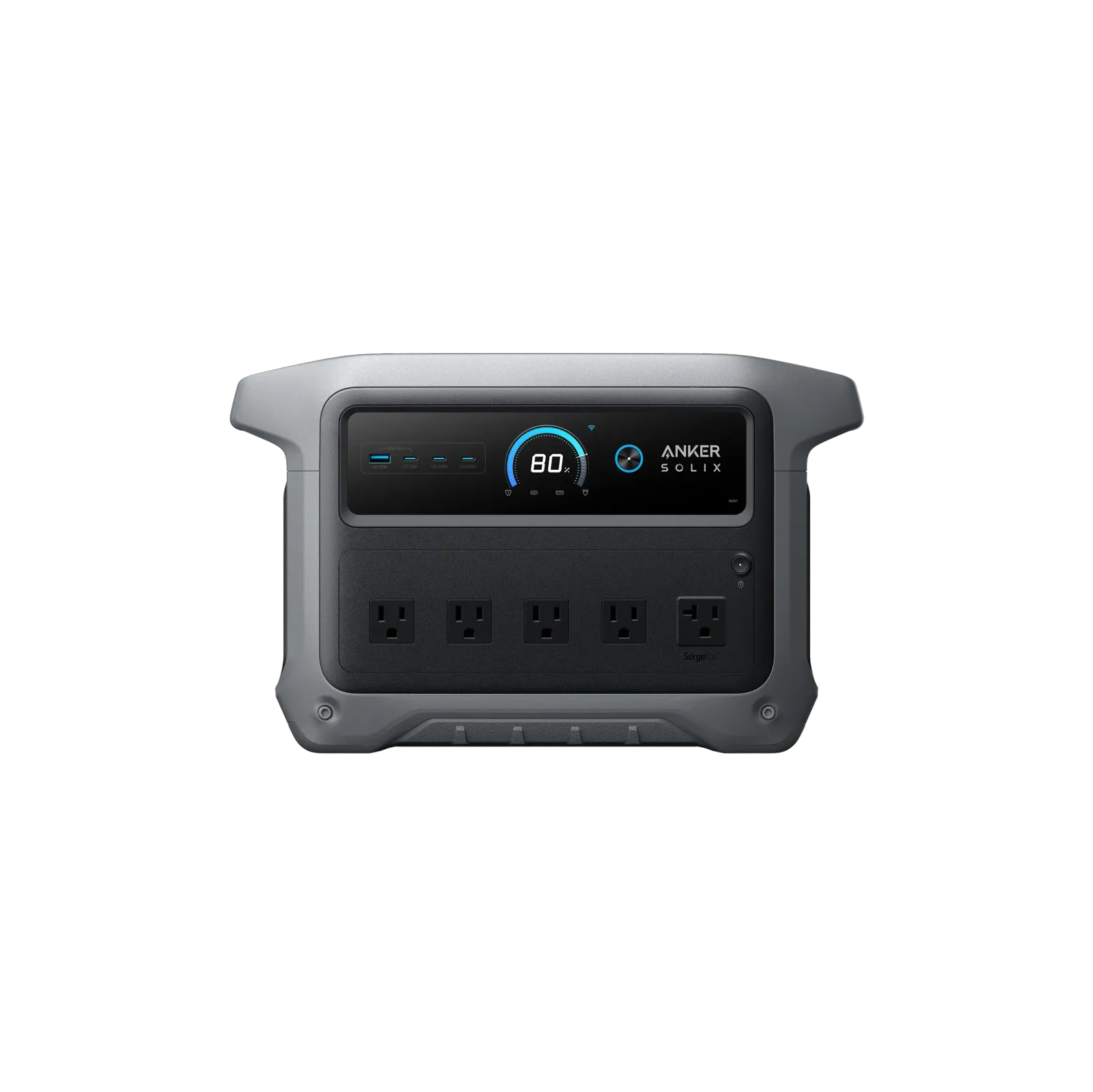
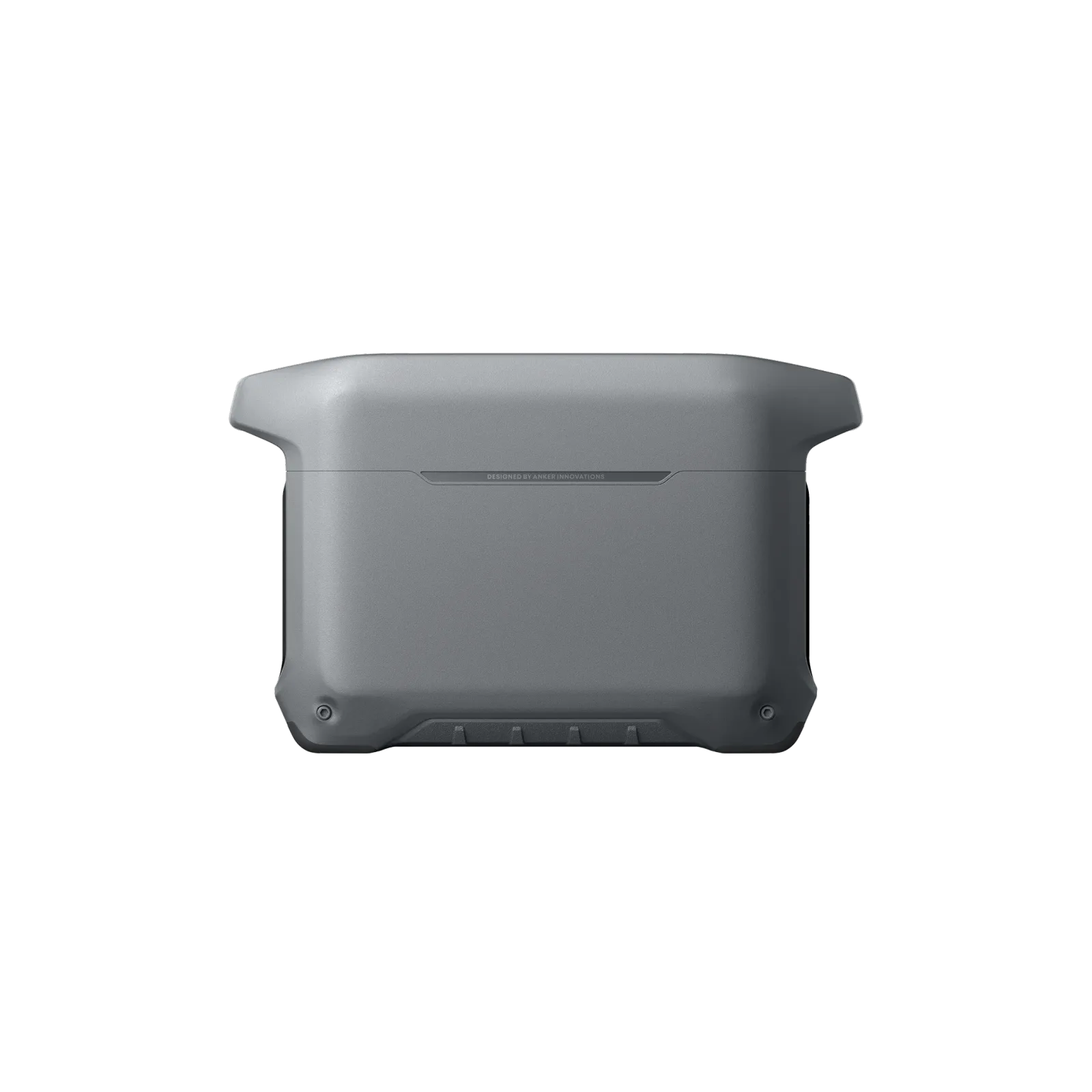
At 15.12 by 8.19 by 9.61 inches and 24.9 pounds, this is still a substantial object, but it stays within the range one adult can lift from a floor or car trunk without planning the move. The proportions are practical rather than especially slim. It will fit under a desk or on a shelf, yet the depth and weight are noticeable if you are carrying it down a trail instead of from a vehicle to a campsite.
Anker product page (Manufacturer product image)
The physical layout follows the familiar portable-station formula: a front display, switched output groups, and separate input controls. Anker rates the unit for 10 connected devices and includes a screen for power flow and remaining capacity. That matters more than decorative lighting on a station intended for outages; you can see whether a load is actually drawing power before blaming the battery for a problem.
The app is part of the ownership experience. Anker says UltraFast Charging must be enabled in the app, and the app also supports monitoring and time-of-use scheduling. That is useful for a station that may live in a closet for months. It also creates one more setup step than a purely physical box. Buyers who want to hand the station to a relative during an outage should enable the desired charging mode in advance and leave the basic buttons understandable without the phone.
Anker's five-year warranty is a meaningful advantage at this price, but it is not the same as a promise that every component will perform identically for five years. The product page lists the warranty and a safety-and-warranty card in the box; it does not present a complete repairability policy. Keep the purchase record and check the regional terms before treating the station as critical infrastructure.
Performance and charging: where the Gen 2 earns its name
The headline upgrade is output. The C1000 Gen 2 is rated for 2,000W continuous and 3,000W peak output, compared with the original C1000's 1,800W continuous rating. That extra margin is useful for appliances with startup surges and for running several moderate loads at once. It does not turn a 1,024Wh battery into a long-duration home backup: wattage determines what can start, while watt-hours determine how long it can run.
Anker product page (Manufacturer product image)
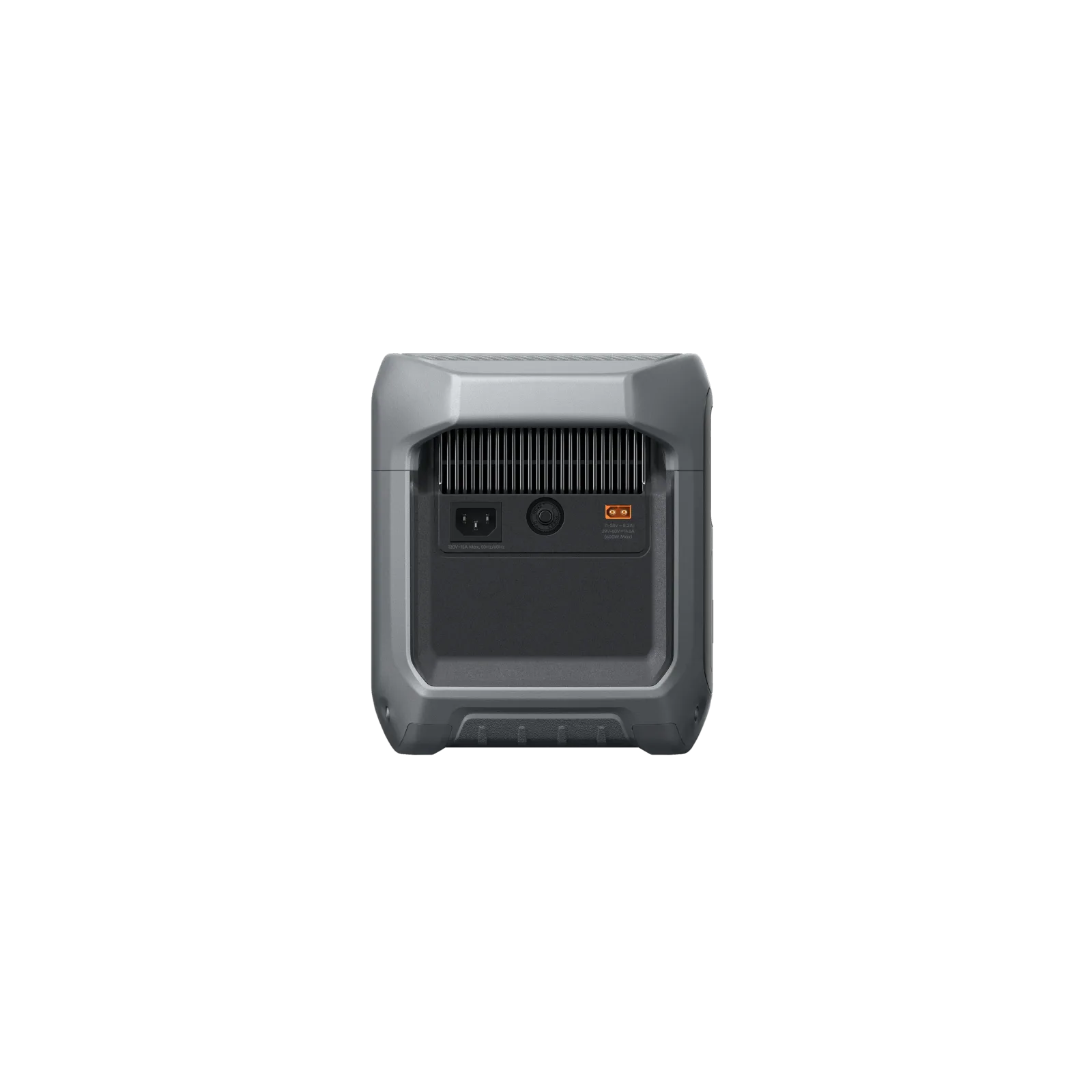
Anker claims a 1,600W AC input and a full recharge in 49 minutes with UltraFast Charging enabled. Treat the 49-minute figure as a best-case manufacturer result. Actual time depends on the starting state, temperature, charging mode, and whether the unit is simultaneously powering something. Even with that qualification, a fast refill changes the ownership pattern. You can use the station during an outage, plug it in when mains power returns, and have it ready again without leaving it connected overnight.
Solar input is rated at 600W with a 60V maximum. Anker says a full solar recharge takes about 1.8 hours under suitable conditions. That is an optimistic sunlight claim, not a promise for a cloudy backyard or a shaded campsite. The useful part is the 600W ceiling: the station is not limited to trickle charging when paired with a sufficiently large panel array, although the panels, cables, and placement add to the system cost.
The 10ms UPS mode is a good fit for a router, modem, small desktop, NAS, or CPAP machine that needs continuity through a brief interruption. It should not be confused with a medical-grade or data-center UPS certification. Sensitive equipment can react differently to transfer behavior, and Anker does not publish a compatibility list for every motor, compressor, or laboratory instrument. Test the exact load before making it the only backup for something expensive or safety-critical.
Anker also claims at least 80% retained capacity after 4,000 cycles and describes that as up to a decade of daily use. The number is valuable for planning, but it is not an independent degradation curve. Battery life depends on temperature, charge limits, storage state, and how often the pack is run hard. The sensible routine is to keep firmware current, avoid storing it empty, and follow Anker's temperature guidance: discharge from -4°F to 104°F and charge from 32°F to 104°F.
What it is like to own without expansion
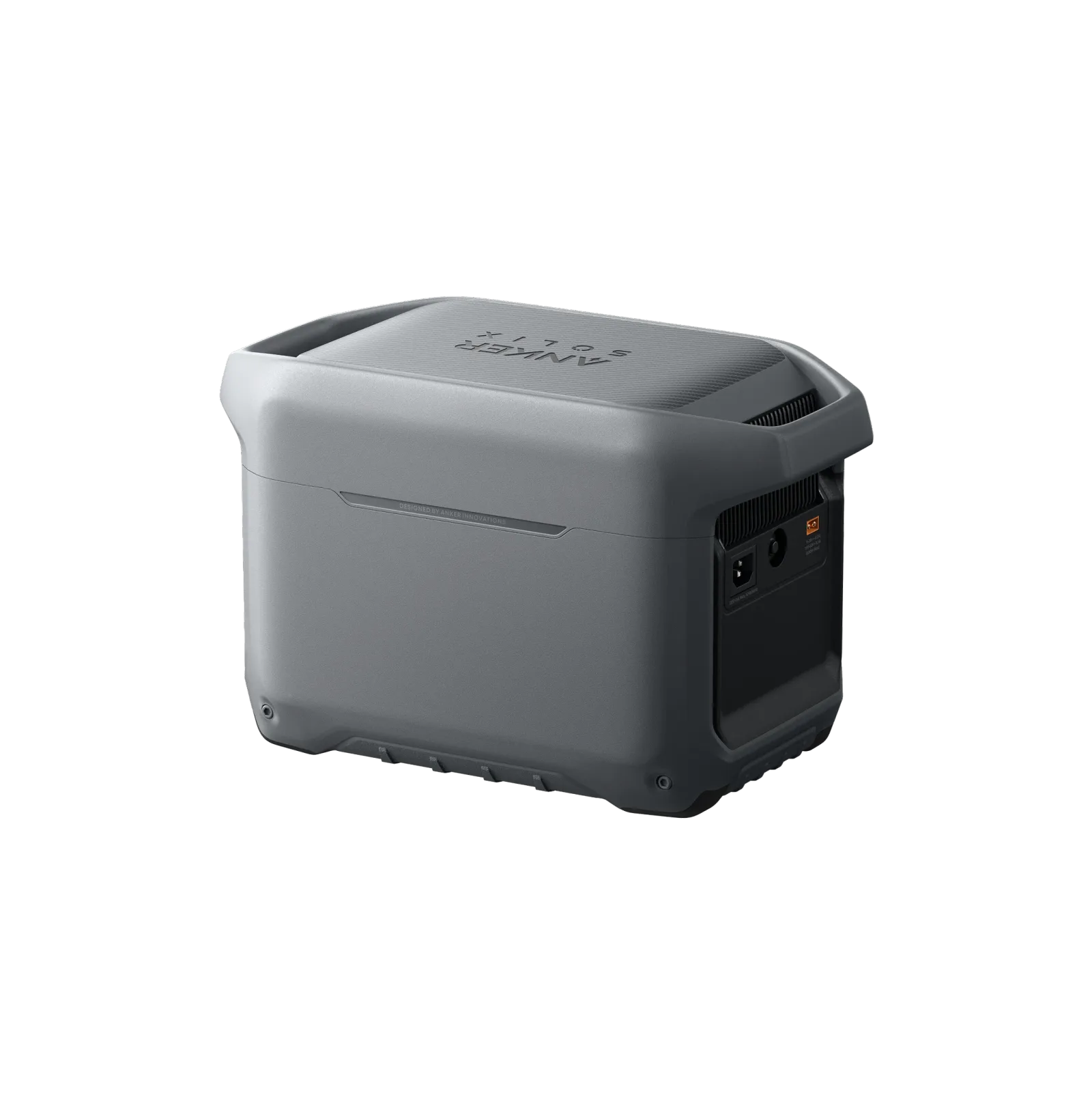
The missing expansion port is the defining ownership decision. A 1,024Wh station can cover a refrigerator's cycling load, internet equipment, lights, laptops, and phone charging for a useful outage window, but the duration changes quickly when a resistive heater, kettle, microwave, or induction cooktop enters the picture. The C1000 Gen 2 can power those devices within its inverter limit; it cannot make the stored energy last longer.
Anker product page (Manufacturer product image)
That fixed capacity is also a benefit. There is no extra battery to balance, no second box to store, and no expansion cable to misplace. For an apartment resident, traveler, or camper who wants a self-contained emergency kit, the simpler system is easier to budget and move. For a homeowner planning staged backup, the limitation is permanent. Anker itself directs buyers who need expansion toward the older C1000.
The unit's best workflow is therefore predictable: charge it from the wall before a storm, keep a short list of priority loads, and use solar as a daytime extension rather than assuming it replaces the grid. A 600W panel input can help, but panels produce their rated output only in favorable conditions. The station is most useful when the buyer understands which appliances deserve the battery and which ones belong on another plan.
C1000 Gen 2 vs. the alternatives
The original Anker SOLIX C1000 is the closest comparison. It has a little more capacity and supports expansion, but its official comparison table shows a lower 1,800W output, a slower 58-minute full AC recharge, a 20ms UPS figure, and a heavier body. Choose the original if future capacity matters more than carrying weight and charging speed. Choose the Gen 2 if the station will remain a one-box system.
The Bluetti Elite 100 V2 is the more flexible rival for buyers who want a 1kWh station that can grow. Bluetti positions it with a 1,800W inverter, app control, 10ms UPS behavior, and support for external batteries. The Anker has the stronger stated AC recharge speed and higher continuous output, while the Bluetti makes a better case for an upgrade path. The decision is less about brand loyalty than whether the first purchase must remain the last purchase.
EcoFlow's DELTA 3 is the better ecosystem play. EcoFlow's app, smart-home accessories, and broader DELTA family make it attractive when the station is part of a connected backup plan. The C1000 Gen 2 is less ambitious but easier to explain: buy one 1kWh box, charge it quickly, and use it where the handles take it. If you expect to add batteries, integrate a transfer setup, or manage several EcoFlow products, the DELTA 3 deserves the extra consideration.
Jackery's Explorer 1000 v2 is the simpler alternative. Jackery emphasizes straightforward operation and a familiar portable format rather than a feature-heavy app experience. The Anker wins on stated output, solar input, and charging speed; the Jackery can be the better choice for someone who values a less connected interface and already owns Jackery panels or accessories. Neither should be mistaken for a whole-home battery at roughly 1kWh.
Who should buy it — and who should skip it
Buy the Anker SOLIX C1000 Gen 2 if you want a portable station that can start more demanding loads than most 1kWh boxes, refill quickly from the wall, and move between emergency backup, travel, and occasional off-grid use. It is especially sensible for people who have no intention of buying an expansion battery and who value a five-year warranty more than the lowest sale price.
Skip it if your blackout plan includes a furnace blower, well pump, electric water heater, or multi-day refrigerator duty. Those loads need a larger energy budget, a transfer arrangement, or a generator strategy. Also skip it if you already know you will expand later. Paying for the Gen 2 and then replacing it when 1,024Wh becomes limiting is a more expensive path than starting with a modular station.
Verdict
The Anker SOLIX C1000 Gen 2 is a strong fixed-capacity portable power station, and its best feature is the combination of 2,000W output, 600W solar input, and a claimed 49-minute wall recharge in a 24.9-pound body. That combination makes it unusually convenient for short outages and mobile use.
The recommendation has one hard boundary: do not buy it as a starter component for a larger battery system. The lack of expansion is not a minor omission; it is the product's central tradeoff. For a self-contained 1kWh kit, the Gen 2 is one of the more convincing current options. For a system that must grow, choose a modular alternative instead.
Frequently asked questions
Can the Anker SOLIX C1000 Gen 2 use an expansion battery?
No. Anker says the Gen 2 does not include an expansion feature. The original C1000 is the model Anker recommends when expandable capacity is important.
How fast does it recharge from a wall outlet?
Anker claims a full recharge in 49 minutes when the 1,600W UltraFast Charging mode is enabled in the Anker app. Treat that as a manufacturer best-case figure; load, temperature, and charging settings can extend the time.
How much power can it deliver continuously?
The inverter is rated at 2,000W continuous with a 3,000W peak rating. That is enough for many kitchen, workshop, and office loads, but it does not determine runtime. A 2,000W appliance can empty a 1,024Wh station quickly.
Is the C1000 Gen 2 suitable for a CPAP machine?
Its 10ms UPS mode and AC output make it a plausible CPAP backup, and Anker specifically mentions CPAP machines in its product description. Confirm the exact CPAP model's power requirements and test the setup before relying on it for a trip or outage.
Can solar and AC charging be used together?
Yes. Anker says the station can accept grid and solar charging at the same time, with solar prioritized and AC supplying the remainder. The solar input is rated at 600W and 60V maximum.
Does it work as an uninterruptible power supply for a computer?
It has a 10ms UPS mode intended to keep equipment such as laptops and networking gear running through a short interruption. That is useful for many home setups, but it is not a universal guarantee for every desktop, NAS, motor, or sensitive instrument.
What is the warranty period?
The product page lists a five-year warranty. Terms can vary by region and by the type of service required, so retain the order record and read the warranty documentation for the country where it was purchased.
How heavy is it for camping or travel?
The listed net weight is 24.9 pounds. That is manageable for lifting into a car or moving around a campsite, but it is still heavy enough that frequent long-distance carrying will be tiring.
Does it use a lithium iron phosphate battery?
Anker's current product page does not clearly publish a battery-chemistry field for this model. Because that detail is not unambiguous in the authoritative listing, it is better not to assume a chemistry from the product family name alone.
Is the $529.99 price permanent?
No. $529.99 was the list price shown on Anker's product page when checked on September 13, 2026. Anker and retailers may apply temporary promotions, bundles, or regional pricing, so compare the live total before buying.