Introduction
EcoFlow's DELTA 3 line has quietly become one of the most confusingly subdivided
product families in portable power. There is a base DELTA 3, a DELTA 3 Plus, a
DELTA 3 Max, a DELTA 3 Ultra and a DELTA 3 Ultra Plus, each at a different price and
capacity. The Classic sits at the bottom of that ladder: 1,024Wh of lithium iron
phosphate storage that EcoFlow lists at $529 and routinely discounts toward $459, and
occasionally as low as $419 through subscriber pricing.
What makes the Classic interesting is not that it is small — 1,024Wh is a common,
sensible size for a fridge-and-devices backup unit — but that EcoFlow appears to have
carved the price down without gutting the electronics. The inverter is still rated at
1,800W continuous with a 3,600W surge, the same headline figure as the pricier base
DELTA 3. The uninterruptible-power switchover is still specified at 10 milliseconds.
On paper, you are paying roughly $100 to $170 less than the standard DELTA 3 for a
unit that runs the same size loads.
That framing is only useful if you understand where EcoFlow actually economised, and
the company does not make that easy. The published specification sheet for the Classic
is unusually terse in places, and a couple of numbers a careful buyer wants — most
notably the battery's rated cycle life — are simply absent from the listing. This
review works through what EcoFlow does document, flags what it does not, and puts the
Classic against the units it will realistically be cross-shopped with.
Design and Build
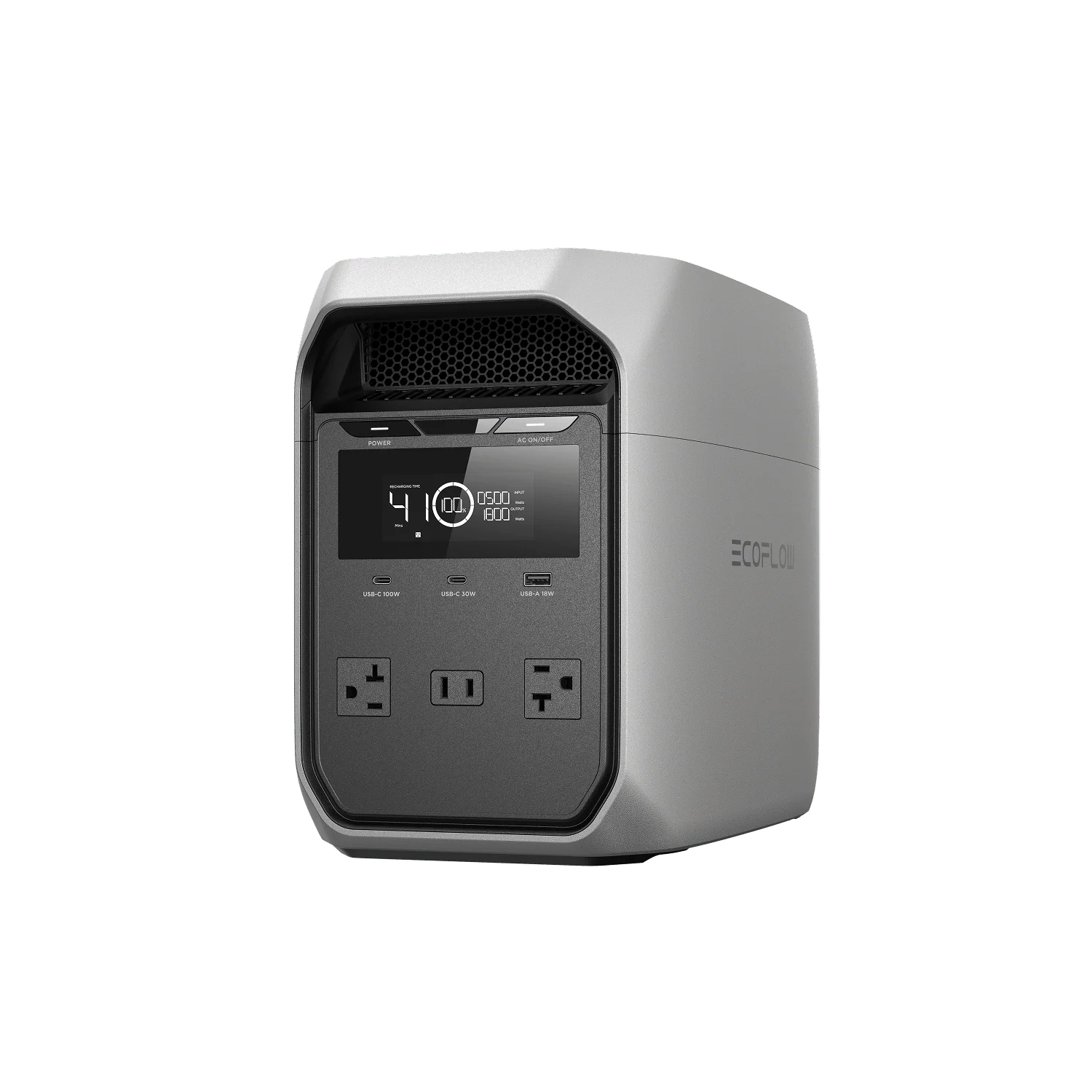
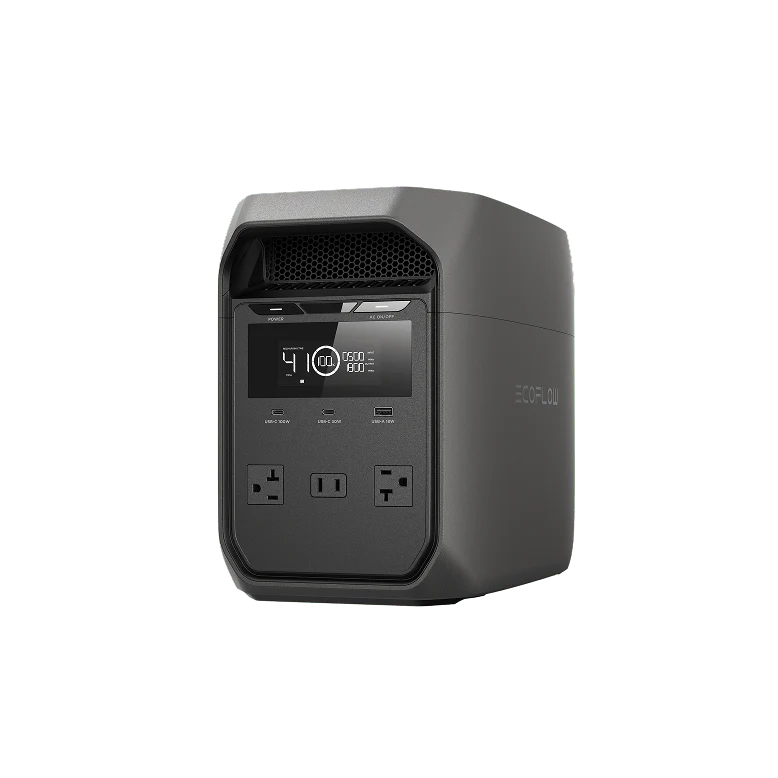
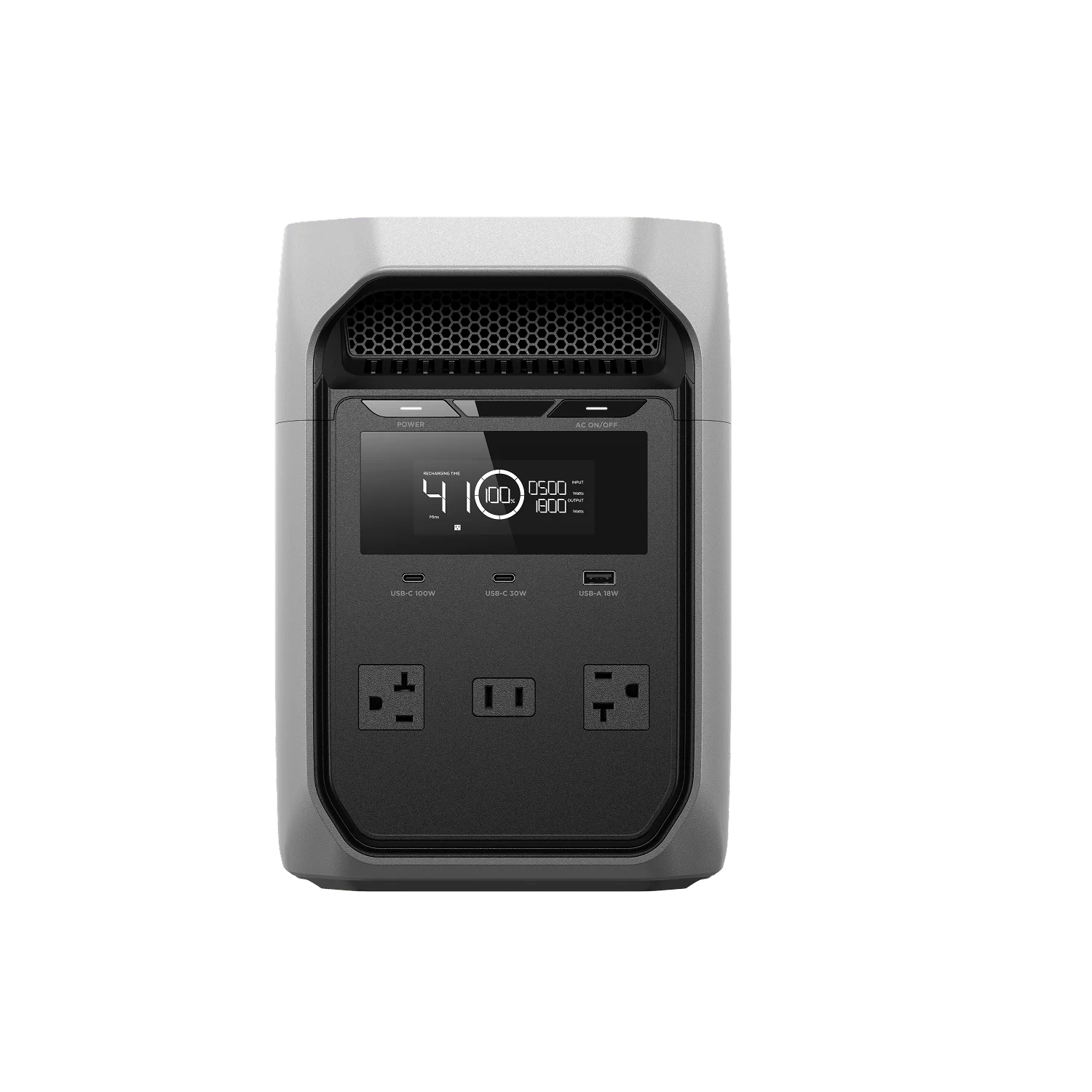
Physically, the Classic is a compact rectangular box measuring 398 x 200 x 283mm and
weighing 12.1kg, which is a shade under 27 pounds. That is a weight a single adult can
lift and reposition without ceremony, and it is roughly in line with other 1,024Wh
LFP units — Bluetti's Elite 100 V2, for comparison, is a slightly lighter 25.3 pounds.
The footprint is small enough to live under a desk or on a closet shelf rather than
demanding floor space of its own.
EcoFlow (Manufacturer product image)
EcoFlow (Manufacturer product image)
The battery chemistry is the part EcoFlow is proudest of, and with some justification.
The pack uses lithium iron phosphate cells that the company describes as
automotive-grade full-tab cells inside an EV-style cell-to-chassis structure. The
practical claims that follow from that are thermal stability, tolerance of overnight
condensation and vibration, and a long service life — EcoFlow markets the Classic as
delivering "10 years of reliable power." LFP is the right chemistry for a product meant
to sit indoors and get charged and discharged repeatedly, so this is a genuine strength
rather than marketing dressing.
Here is where the documentation starts to frustrate. EcoFlow prints "10 years" but does
not publish a numeric cycle rating for the Classic on its own listing. The rest of the
DELTA 3 range is rated at 4,000 cycles to 80% of original capacity, and the Classic
uses the same cell platform, so 4,000 cycles is the reasonable expectation — but a buyer
should note that EcoFlow chose not to state it outright on this SKU. Similarly, the spec
table lists port wattages but never tells you how many AC outlets or 12V DC sockets the
unit has. For a product being sold partly on convenience, leaving the socket count off
the sheet is a real omission, and one worth holding against it.
Port provision, as far as EcoFlow does document it, is competent rather than generous.
There are two USB-C ports, but only one of them delivers the full 100W; the second is
capped at 30W. USB-A tops out at 18W. That asymmetric USB-C arrangement matters if you
plan to fast-charge two laptops at once — you can't, at full speed. Connectivity is
handled over Wi-Fi and Bluetooth through EcoFlow's OASIS 3.0 app, which adds scheduling,
electricity-price tracking and a Storm Guard mode that tops the battery up automatically
ahead of forecast severe weather.
Charging and Output Performance
The inverter is the Classic's strongest card. A continuous 1,800W pure sine wave output
with a 3,600W surge ceiling covers essentially every ordinary household load short of an
electric dryer or central air conditioner: a 1,500W space heater, a 1,000W microwave, a
coffee maker or a full-size refrigerator all sit comfortably under that limit. Running
at a modest 600W, EcoFlow rates the fan noise at 30dB or below, which is genuinely quiet
— quiet enough to leave running in a bedroom overnight.
EcoFlow (Manufacturer product image)
EcoFlow (Manufacturer product image)
EcoFlow also markets an X-Boost figure of 2,600W, and this is worth explaining honestly
rather than repeating as a headline. X-Boost does not conjure 800 extra watts out of an
1,800W inverter. It works by lowering the output voltage so that resistive, voltage-
tolerant appliances — kettles, heaters, hair dryers — draw less current and stay within
the inverter's real limit. For those loads it is a legitimately useful trick. For
voltage-sensitive electronics, motors or anything with a precise power supply, it is not
something to rely on, and treating 2,600W as the unit's true capability would be a
mistake.
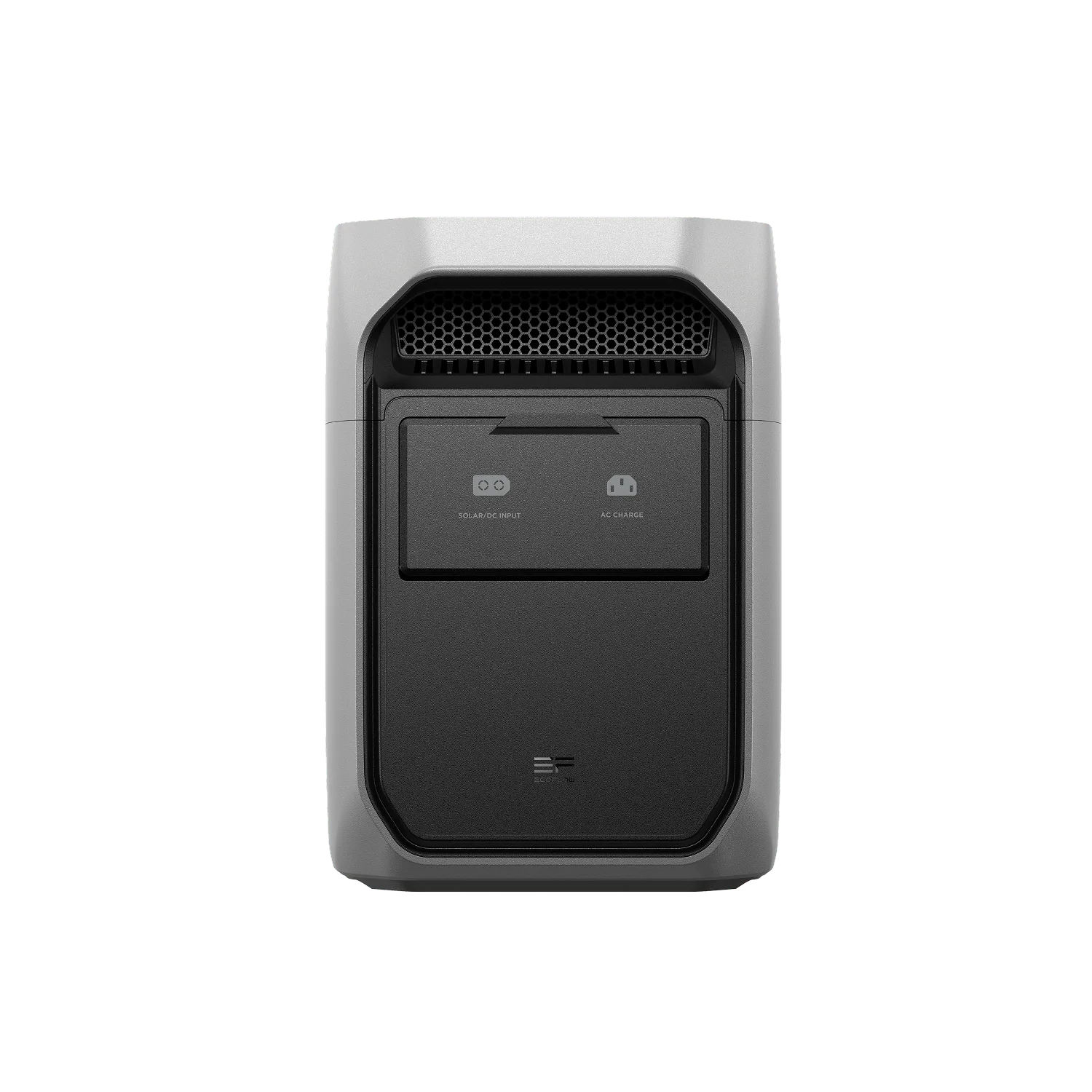
Charging is quick. The Classic accepts up to 1,400W from the wall, and EcoFlow claims a
0-80% recharge in 45 minutes with a full charge following shortly after. That is fast
enough to top the unit up between errands rather than needing an overnight session. It
also supports alternator charging through EcoFlow's optional 500W and 800W chargers —
the company cites topping up 1kWh in about 1.3 hours from a vehicle — which makes it a
credible companion for van and vehicle use.
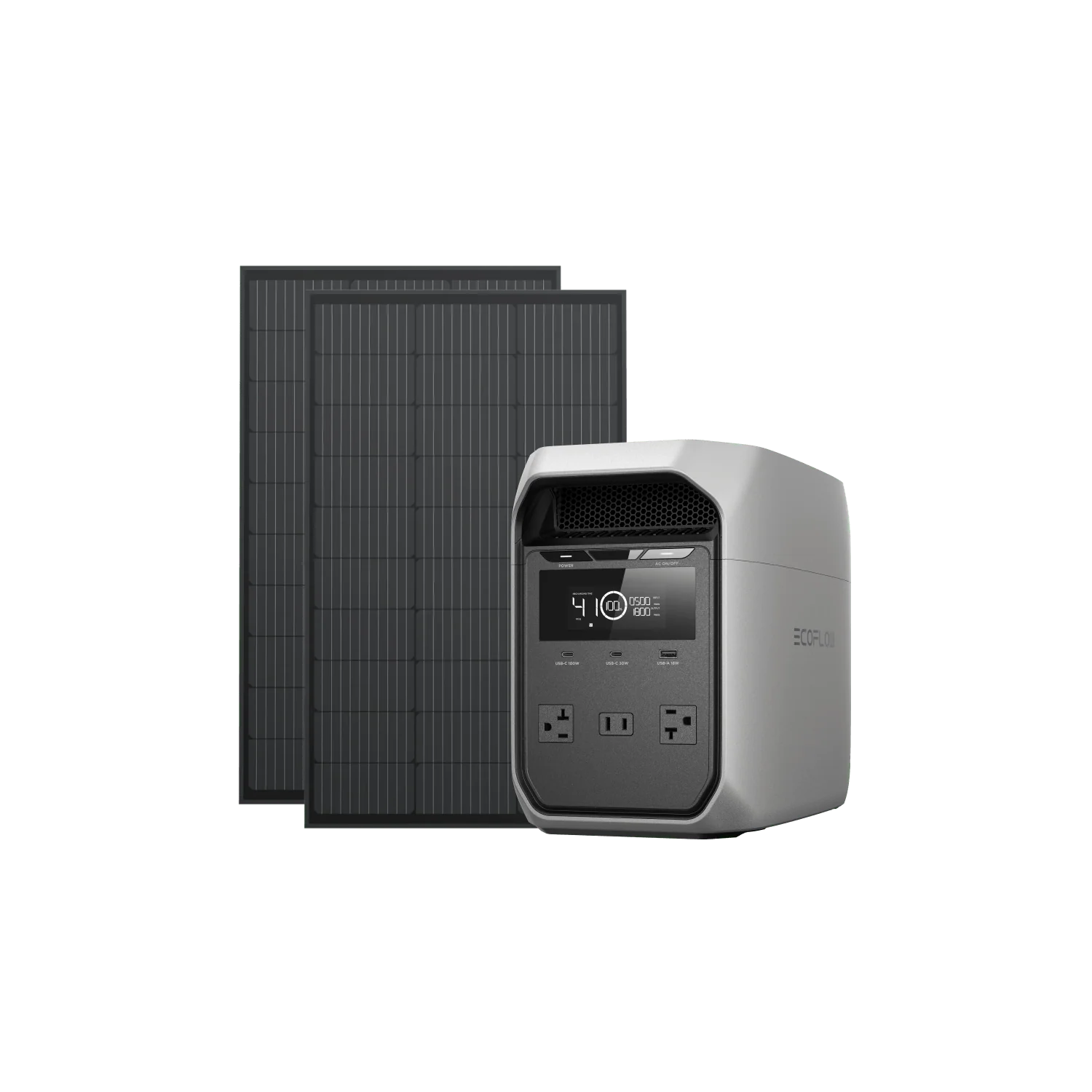
Solar is the weaker column. The Classic accepts a maximum of 500W of PV input. Against a
1,024Wh battery that is a roughly two-to-three-hour refill under ideal, panel-normal-to-
sun conditions with a large enough array, but EcoFlow's own cited figure of about eight
hours from a single 160W panel is the more realistic scenario most buyers will actually
hit. It is adequate for slow off-grid topping-up and inadequate as a primary recharge
strategy for anything longer than a short outage.
The 10ms uninterruptible-power switchover is the quiet feature that justifies keeping
this unit plugged in permanently. Ten milliseconds is fast enough that a desktop
computer, a router, a network-attached storage box or a CPAP machine will ride through a
grid cut without rebooting. For anyone who works from home, that behaviour is arguably
worth more than a few hundred extra watt-hours of capacity.
Competitive Comparison
vs. Bluetti Elite 100 V2 ($499, 1,024Wh). This is the Classic's most direct rival,
and it is a close fight. The Elite 100 V2 matches the Classic almost spec-for-spec — the
same 1,024Wh, the same 1,800W / 3,600W-surge inverter, the same 10ms switchover — while
weighing about 1.4 pounds less at 25.3 pounds and advertising up to 1,000W of solar
input against the EcoFlow's 500W. Bluetti also publishes a 4,000-plus-cycle rating and a
five-year warranty openly. If solar recharging matters, the Elite 100 V2 is the stronger
buy; the Classic's counter is EcoFlow's larger accessory ecosystem and frequent sale
pricing.
vs. EcoFlow DELTA 3 (base, $629). Staying in-house, the standard DELTA 3 costs
around $100 to $170 more for the same 1,024Wh and the same 1,800W inverter. Its listed
X-Boost ceiling is actually lower at 2,200W versus the Classic's 2,600W, and both share
the 10ms UPS. The base model's advantage is largely documentation and dual full-power
USB-C; unless you specifically need those, the Classic delivers the core DELTA 3
experience for less.
vs. Anker SOLIX C2000 Gen 2 ($799, 2,048Wh). A step up rather than a like-for-like,
the Anker doubles the capacity to 2,048Wh, runs a 2,400W inverter with a 6,000W surge,
accepts 800W of solar and expands to 4,096Wh. It costs roughly $300 more and weighs 42
pounds. If your backup ambitions extend beyond a fridge and a few devices, the C2000
Gen 2 is the more future-proof platform; the Classic is the right answer only if 1kWh is
genuinely enough.
vs. DJI Power 500 (512Wh). At half the capacity, the DJI is the lighter, more
portable option at 16.1 pounds, with a 1,000W inverter and a 70-minute full recharge.
It suits someone whose real need is a weekend of device charging and a modest AC load
rather than sustained home backup. The Classic is the better home-backup buy; the DJI is
the better grab-and-go one.
Who Should Buy It
Buy the DELTA 3 Classic if you want a genuine 1kWh LFP power station from an established
brand for the lowest price EcoFlow offers, and you value the 1,800W inverter and 10ms
UPS more than a headline solar number. For an apartment or small-home buyer whose backup
plan is a refrigerator, lights, a router and a phone or two — plus perhaps a CPAP
overnight — 1,024Wh and a fast-switching inverter cover the requirement, and the sub-27-
pound weight keeps it portable.
It is also a sensible pick for anyone already invested in EcoFlow's accessories, since
the Classic slots into the same alternator chargers, solar panels and app ecosystem as
the rest of the DELTA 3 range.
Look elsewhere if solar is central to your plan, where Bluetti's Elite 100 V2 doubles
the input for a similar price, or if you expect your needs to grow, where the Anker
SOLIX C2000 Gen 2's expandability makes it the better long-term platform. And if the
absence of a published cycle rating on the listing bothers you — it reasonably might —
the openly documented rivals remove that particular uncertainty.
Final Verdict
The DELTA 3 Classic is a well-judged budget entry into a family that had drifted upmarket.
By keeping the 1,800W inverter, the 3,600W surge and the 10ms UPS intact while trimming
the price toward $459, EcoFlow has produced a 1,024Wh unit that does the important things
a home-backup station needs to do, quietly and at a competitive price. The LFP pack, the
five-year warranty and the fast 45-minute-to-80% charging are all real strengths.
The reservations are specific. EcoFlow does not print a cycle-life figure or an AC-outlet
count on the Classic's listing, which is a documentation failure on a product sold partly
on convenience. The 2,600W X-Boost number needs the asterisk it rarely gets. The 500W
solar ceiling is modest, and only one of the two USB-C ports reaches 100W. None of these
are disqualifying, but they are the reasons the Bluetti Elite 100 V2 remains the tougher
competitor at this capacity.
Judged as what it is — the cheapest honest route into the DELTA 3 platform — the Classic
succeeds. Buy it for the inverter, the chemistry and the price, go in knowing solar is a
secondary strength, and register it promptly to unlock the full warranty.
Frequently Asked Questions
How much does the EcoFlow DELTA 3 Classic cost?
brings it to roughly $459, and subscriber promotions occasionally push it near $419.
Treat somewhere between $459 and $529 as the realistic street price.
How many cycles will the battery last?
a numeric cycle rating on the listing itself. The rest of the DELTA 3 range is rated at
4,000 cycles to 80% capacity and the Classic uses the same LFP cell platform, so 4,000
cycles is the reasonable expectation — just note EcoFlow chose not to state it for this
SKU.
Can it run a 1,500W space heater or a microwave?
3,600W surge ceiling absorbs the start-up spike from motor-driven appliances such as a
refrigerator compressor.
What is X-Boost and can I trust the 2,600W figure?
its output voltage so those devices draw less current. It works well for heaters,
kettles and hair dryers, but it is not 2,600W of true output and should not be relied on
for motors or voltage-sensitive electronics.
How fast does it charge?
a full charge shortly after. Solar charging is capped at 500W, which EcoFlow says takes
about eight hours from a single 160W panel.
Will it keep my computer or CPAP running during a power cut?
desktop, router, NAS or CPAP machine continues running without interruption when the grid
drops.
How many outlets does it have?
USB-C, one 30W USB-C, and 18W USB-A — but does not clearly state the number of AC outlets
or 12V car sockets on the spec sheet. Confirm the exact socket count before buying if it
matters to your setup.
How does it compare to the standard EcoFlow DELTA 3?
inverter. The Classic actually lists a higher X-Boost ceiling (2,600W versus 2,200W),
while the base model adds dual full-power USB-C and a more complete spec sheet.
Is it quiet enough to run indoors overnight?
enough for a bedroom or home office. Fan noise will rise under heavier loads, as it does
on any power station.
Does the Classic support a second battery for more capacity?
DELTA 3 Plus, Max and Ultra models that pair with EcoFlow's smart extra batteries. If you
anticipate needing more than 1,024Wh, buy up the range rather than planning to expand the
Classic later.
Is the five-year warranty automatic?
years once you register the unit in its app. Skip the registration and you are on the
three-year term.