Introduction
The Dabbsson 600L is the rare budget power station whose appeal survives contact with the details. It is not a miniature whole-home battery and the 600W inverter puts a hard ceiling on what it can run, but the combination of a 768Wh battery, compact body, phone app, UPS mode, and $299 official price makes it a serious option for camping, small electronics, and short interruptions at home. The strongest case for it is not that it can do everything. It is that it does the smaller jobs with more polish than the price suggests.
There is also an important age note. Dabbsson's official US product record lists the 600L as published on May 19, 2025. That is the best primary-source launch date available for this model, rather than the publication date of the discovery review. In September 2026 it is therefore an older budget model, but the price and efficiency still give it a reason to exist alongside newer EcoFlow, Anker, and Jackery stations.
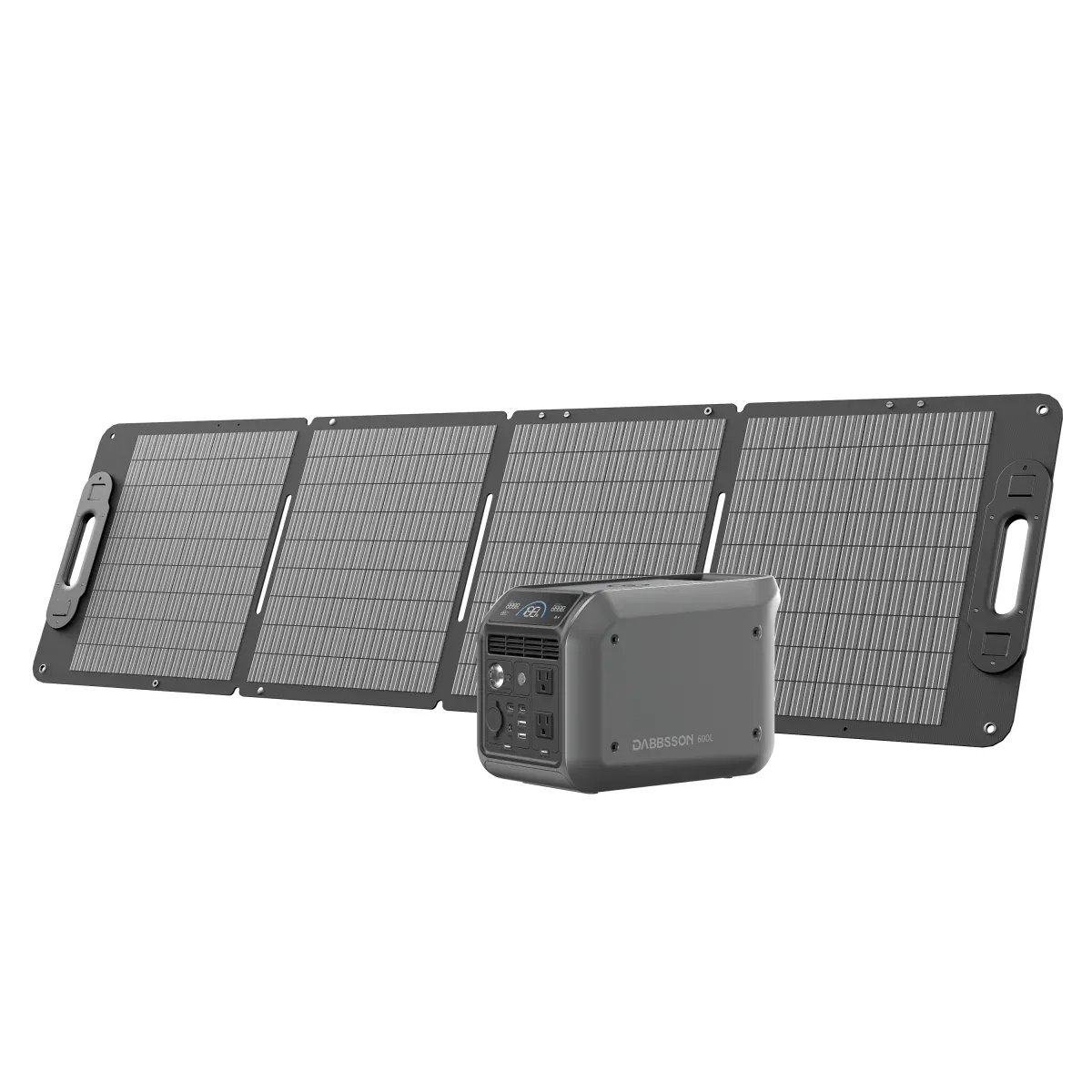
The headline specification is 768Wh, with 600W of continuous AC output and a 900W Power-Boost mode. Dabbsson lists a 17.6-pound weight, 600W AC input, 100W-to-200W solar charging, and a battery rated for 4,000 cycles before retaining more than 80% capacity. Those numbers describe a portable electronics and light-appliance station, not a replacement for a generator. The distinction matters more than the capacity figure.
Design, Ports, and Daily Handling
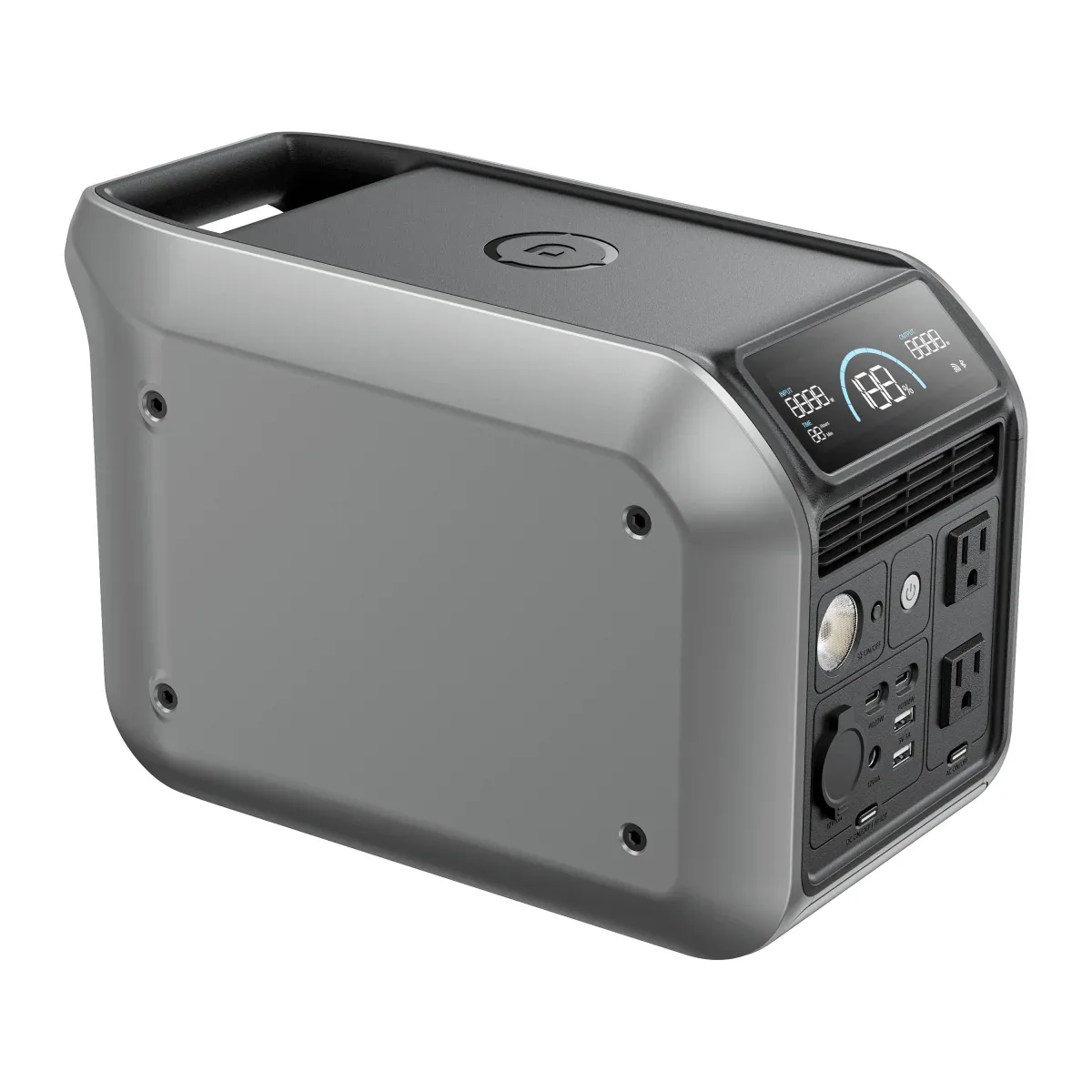
The 600L's physical design is one of its best arguments. At 17.6 pounds, it is light enough to move from a closet to a car or campsite without planning around the lift. The integrated handle keeps the footprint simple, and The Solar Lab's review describes a sturdy housing, rubber feet, protruding buttons, and a cover for the 12V outlet. Those are modest details, but they are exactly the details that separate a station you use regularly from one that stays boxed until the next storm.
Dabbsson product page (Manufacturer product image)
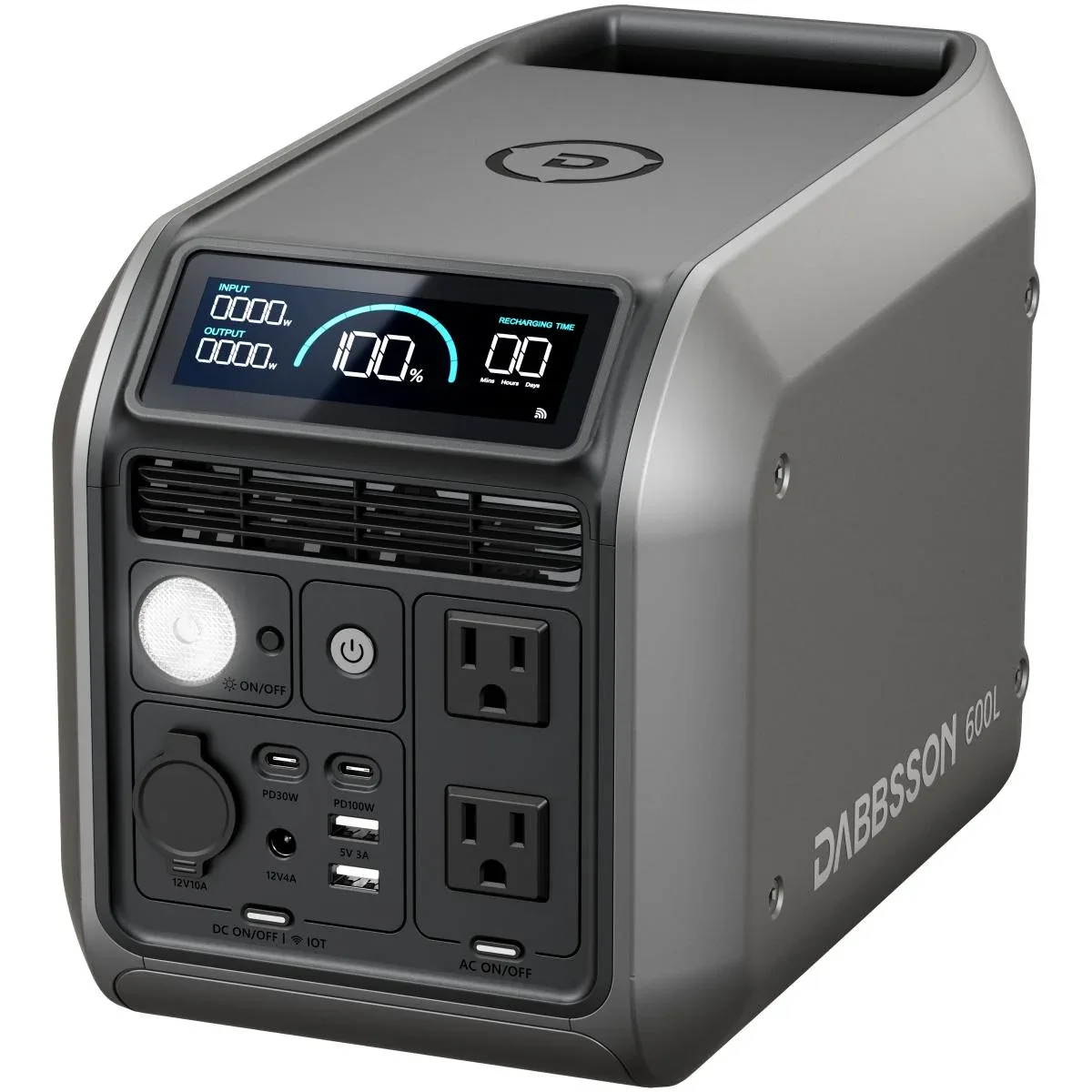
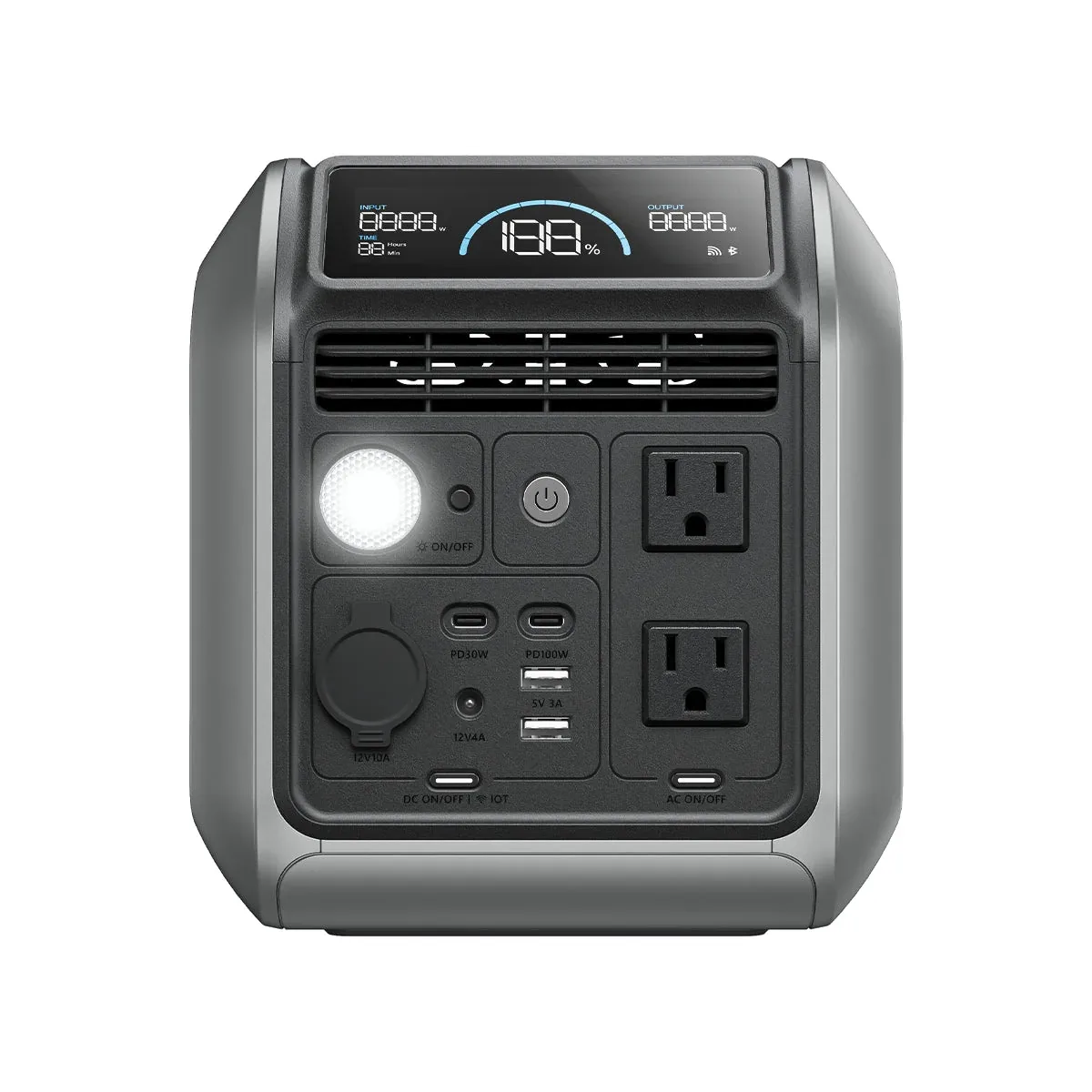
The front layout is straightforward: two AC outlets, a 12V car port, a DC5521 barrel port, two USB-A ports, and two USB-C ports. Dabbsson specifies one 100W USB-C port and one 30W USB-C port, which is a sensible division for a laptop plus smaller devices. There is also a front LED light. That makes the 600L useful as a camp light and emergency lamp without consuming an outlet or carrying a separate flashlight.
The screen shows the information a buyer actually needs: battery percentage, input, output, and an estimated runtime based on the active load. The Solar Lab found it readable outdoors, while the companion Bluetooth app adds remote monitoring and control for the outputs and light. The app also supports scheduled on/off behavior and time management. That is a meaningful advantage over basic budget stations that make you walk over to press every button.
There is no wireless charging pad on top. That omission is not a deal-breaker, but it is a reminder that Dabbsson spent the money on the inverter, battery, and software rather than convenience extras. The 600L is also not an outdoor-rated, weatherproof box. Keep it protected from rain and condensation, and treat the optional waterproof bag as an accessory rather than evidence that the station itself is sealed.
Performance and Efficiency
The independent numbers are encouraging. The Solar Lab measured 85% efficiency, which means the station delivered a good proportion of its nominal battery energy to a load instead of losing an excessive amount in conversion. That is a published test result from that review, not a claim of our own testing. The same review measured idle consumption at 14W with the AC inverter switched on and no device connected. That low draw is useful when the station is left ready as a small backup battery.
Dabbsson product page (Manufacturer product image)
The 600L's capacity is enough for a router, laptop, phones, lights, and a small cooler, but runtime depends on the load and whether you use AC or DC. A 60W device would theoretically consume 60Wh per hour; allowing for conversion losses, the 768Wh pack is a roughly ten-hour-class source at that load, not a multi-day answer. A laptop charger and a few phones draw much less than that. A compressor cooler or refrigerator is more variable because its motor cycles, so use the screen's live estimate rather than multiplying the capacity by a nameplate wattage.
The 600W continuous inverter is the real boundary. It is comfortable with networking gear, camera batteries, lights, laptops, CPAP equipment, fans, and many small chargers. It is not a sensible choice for an electric kettle, space heater, microwave, toaster, hair dryer, or large corded tool. Those loads commonly exceed 600W before startup surges are considered. Power-Boost mode raises the advertised ceiling to 900W for compatible devices, but it should not be treated as a universal 900W inverter; motors and electronically controlled appliances may still refuse to start or behave unpredictably.
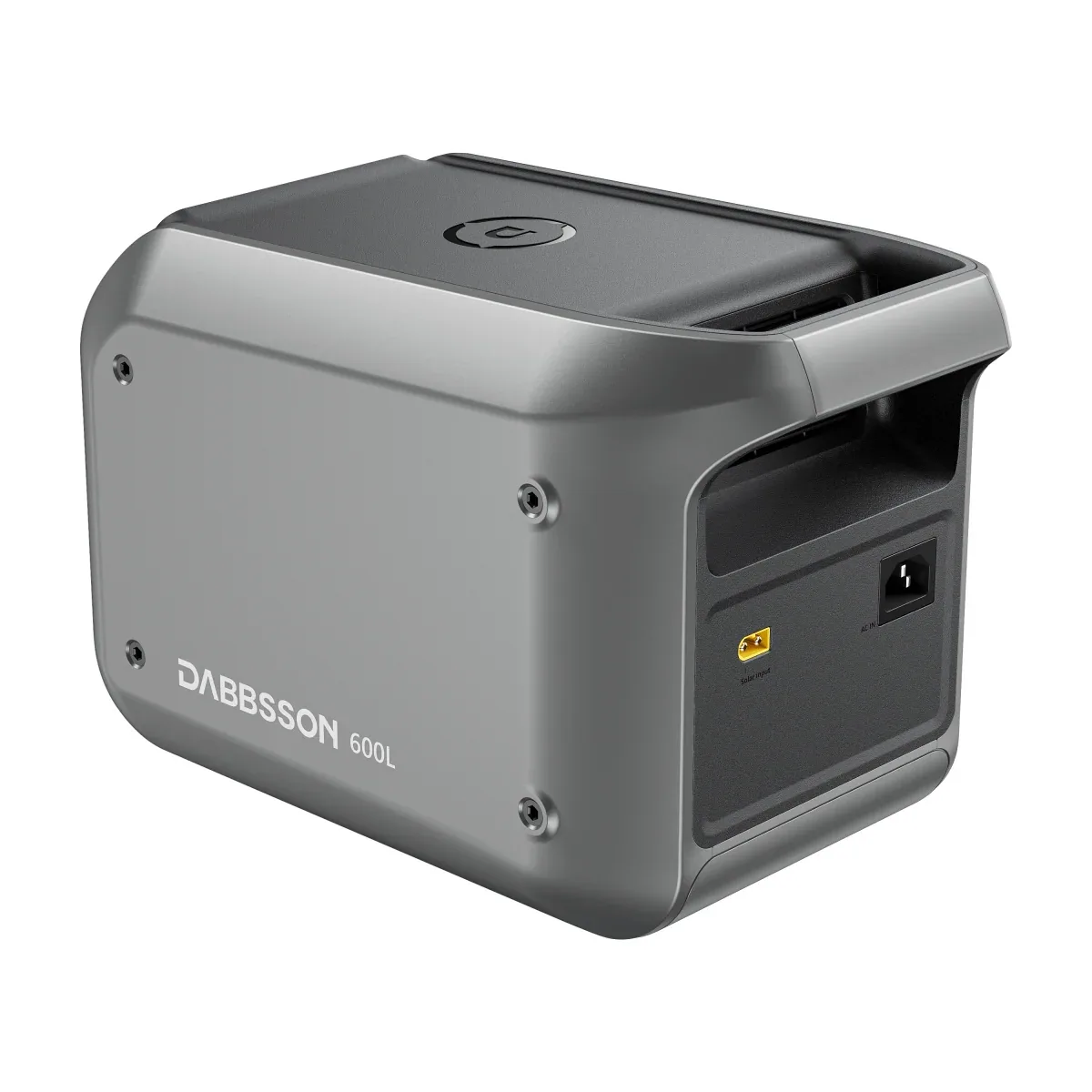
The Solar Lab found that the output ports worked as expected and that the unit delivered its advertised fast AC recharge in about 1 hour and 45 minutes. Dabbsson's current product page describes a 0-to-100% AC charge in 1.6 hours, so the independent result is consistent with the official claim. Solar is slower and more dependent on conditions. The 100W-to-200W input range is useful for topping up at camp, but a full 768Wh battery is a substantial load for a small panel. A clear, well-aimed panel can help maintain the station; it will not make the 600L behave like a fast off-grid generator.
The 15ms UPS claim gives the 600L a second useful role. It can keep a router, modem, monitor, or other low-draw desk equipment alive through a brief interruption, provided the total load stays within the inverter limit. It is not a substitute for a purpose-built, managed UPS for servers or medical equipment. For ordinary home-office resilience, however, the feature is more useful than the price implies.
Noise, Controls, and Ownership Tradeoffs
The 600L is not silent in every mode. The Solar Lab reported a faint high-frequency sound from the inverter that some people noticed and others did not. It also observed fans ramping up and down at inconsistent intervals while charging. Neither issue suggests a failure by itself, but both affect where the station belongs. It is fine in a garage, living room, or campsite. On a bedside table or beside a quiet desk, noise-sensitive owners may find it distracting.
Dabbsson product page (Manufacturer product image)
The app improves ownership, especially when the station is used as standby power. It can show live input and output, switch the light and outlets, and schedule behavior. Bluetooth is the documented connection on the review page, so buyers should not assume that the station can be monitored from anywhere over the internet. That distinction matters: local phone control is convenient, while remote outage alerts require a different kind of connected device.
Battery chemistry and cycle ratings also need careful reading. Dabbsson's official page says the pack can reach 4,000 cycles while retaining more than 80% of its capacity. That is a manufacturer rating under specified conditions, not a guarantee of 4,000 identical cycles in a hot car or damp tent. Still, it is a strong longevity claim for a station at this price. Store it charged according to the manual, avoid extreme temperatures, and do not confuse a cycle rating with a warranty.
Dabbsson 600L vs. EcoFlow River 3, Anker C300, and Jackery
The closest alternatives are the EcoFlow River 3, Anker SOLIX C300, and larger Jackery Explorer models. The EcoFlow River 3 is the better choice when compactness, a newer product platform, and quiet everyday operation matter more than having 768Wh available. It is a smaller-capacity class, so the Dabbsson lasts longer for the same modest load. EcoFlow's software and support ecosystem are also more established, which can justify paying more.
Dabbsson product page (Manufacturer product image)
The Anker SOLIX C300 is another sensible small-station alternative. It is easier to recommend for buyers who want a modern Anker ecosystem and do not need the 600L's larger battery. The Dabbsson wins on capacity and, at its official price, on raw watt-hours per dollar. Anker is the safer brand pick for someone who values a broad support footprint over maximum runtime.
Jackery's Explorer 600 Plus sits closer to the Dabbsson's mission: portable capacity for camping, travel, and small emergency loads. Jackery has stronger name recognition and a mature accessory ecosystem, while the 600L counters with its app features, low measured idle draw, and 768Wh capacity. Compare the actual price on the day you buy; budget power-station discounts change often, and a $50 difference can reverse the value calculation.
The common mistake is comparing only battery capacity. If your loads exceed 600W, all three small-station comparisons miss the point and you should move to a 1,000W-or-higher class. If your loads are phones, a laptop, a cooler, lights, and networking gear, the Dabbsson's extra capacity is a useful advantage.
Who Should Buy It and Who Should Skip It
Buy the 600L if you want an affordable station for weekend camping, a van's electronics, a small cooler, a home-office router, or short outages. It is particularly attractive for someone who values low idle consumption and app control but does not want to carry a 30-pound station. The built-in light, multiple charging paths, and UPS mode make it more versatile than a bare battery box.
Skip it if your emergency plan includes a microwave, induction cooktop, heater, kettle, refrigerator with a demanding startup, or power tools. The 600W ceiling is not a technical footnote; it defines the product. Also skip it if a faint inverter whine would make sleep or focused work difficult, or if you need robust internet-connected monitoring rather than local app control.
Verdict
The Dabbsson 600L is a good buy when its limits match your loads. Its May 2025 launch date makes it an older design by 2026 standards, but the official $299 price, 768Wh capacity, 17.6-pound portability, measured 85% efficiency, and useful app/UPS features remain compelling. The station feels considered rather than stripped down, and its low idle draw makes standby use less wasteful than many cheap alternatives.
It is not the right answer for serious outage loads, and Power-Boost should not persuade you that it can replace a larger inverter. The occasional high-frequency noise, variable fan behavior, modest solar input, and lack of a wireless pad are real compromises. For camping, desk-side backup, and light emergency duty under $300, though, the 600L is one of the more credible budget choices. Buy it for the small loads it handles well, not for appliances it was never designed to run.
FAQ
When did the Dabbsson 600L launch?
Dabbsson's official US product record lists the 600L as published on May 19, 2025. That is the primary-source launch date used here; the discovery article's publication date is not being treated as a launch record.
How much power does the Dabbsson 600L store?
The battery is rated at 768Wh. Usable energy at an AC outlet will be lower because the inverter and connected equipment consume some of the stored energy, so calculate runtime from the live display rather than assuming the full number reaches a device.
Can it run a refrigerator?
It may run a compact refrigerator or cooler if the startup surge and running load fit the inverter, but the answer depends on that appliance. Measure or check the refrigerator's input requirements first. For a critical outage, a station with a larger inverter gives more headroom.
Can it power a microwave or kettle?
Usually no. The continuous output is 600W, and those heating appliances commonly demand more than that. Power-Boost mode is intended for compatible loads and is not a guarantee that every 900W appliance will work.
How fast does it charge from the wall?
Dabbsson claims about 1.6 hours from empty to full with AC input, while The Solar Lab reported about 1 hour and 45 minutes in its testing. Actual time varies with temperature, starting charge, and the final taper near 100%.
Can I charge it from solar?
Yes. Dabbsson specifies a 100W-to-200W solar input range, and the station can also charge from a car outlet or combined inputs. Solar time depends on panel rating, sunlight, angle, and temperature, so the advertised maximum is not a guaranteed field result.
Does it work as a UPS?
Yes, Dabbsson lists a 15ms UPS transfer time. Use it for low-draw equipment such as a router, modem, or monitor, and keep the total load below the station's output limit. Do not assume it replaces a managed UPS for servers or critical medical equipment.
Is the Dabbsson 600L quiet?
Not consistently. The Solar Lab heard a faint high-frequency inverter sound from some units and observed fan speed changing during charging. Many owners will find it acceptable, but light sleepers should place it away from the bed before relying on it overnight.
Can I expand the 600L later?
Dabbsson lists a two-unit configuration with 1,536Wh combined capacity. That is pairing another 600L rather than adding a conventional expansion battery, so confirm the current cable and operating requirements before planning a larger system.
Does it have Wi-Fi remote monitoring?
The documented app connection is Bluetooth. It can show live data and control features locally, but buyers should not assume they will receive internet-based alerts while away from home.
Is $299 a permanent price?
Dabbsson's product page currently lists the base 600L at $299, but power-station prices change. Treat that as the observed official price, not a promise that every retailer or future date will match it.
Who should buy the 600L instead of a larger station?
Buy it when portability and price matter more than running high-draw appliances. If you need a heater, kettle, microwave, or workshop tool, spend more on a station with at least a 1,000W inverter and enough surge headroom.