Introduction: a smarter health watch, not a different-looking watch
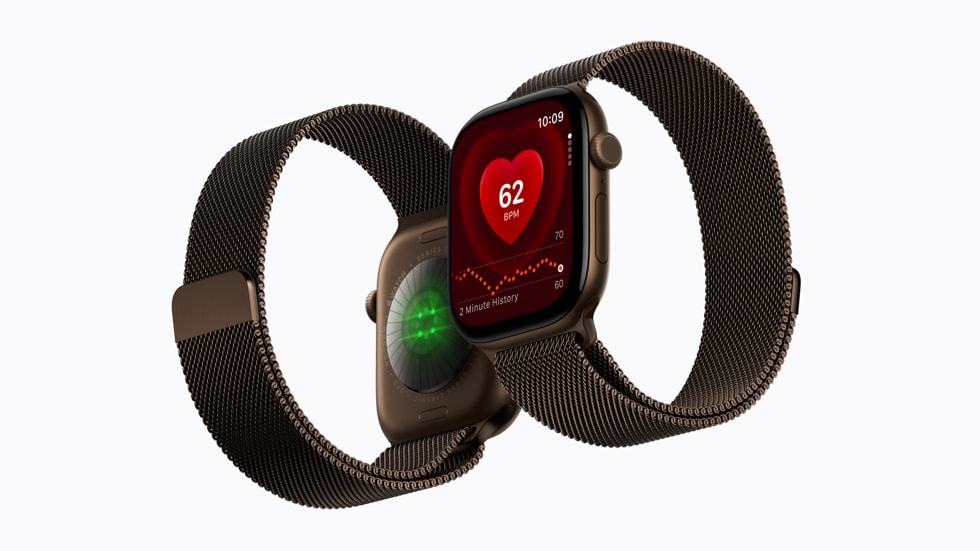
The Apple Watch Series 12 is an unusually easy product to misunderstand. From across a room it looks like the Series 11, and that is deliberate: Apple has spent this generation rebuilding what is underneath the familiar rectangular case rather than chasing another visual stunt. The important changes are the S11 chip, a redesigned Health Sensing System, heart-rate sampling every 5 seconds, a new Readiness score, and a group of Apple Intelligence features that make the watch more useful when you are not actively exercising.
That makes Series 12 a strong launch-week buy for an iPhone owner who wants better recovery guidance and a watch that can translate health data into a decision. It is a less convincing upgrade for someone who simply wants a brighter screen or a dramatically longer battery. Apple still rates it for up to 24 hours of everyday use, so the ownership rhythm remains “wear it, charge it, wear it again.” CNET's launch coverage reached a similar conclusion after trying the watch in Apple's demo room: the meaningful changes are inside, while the shape remains familiar.
The starting price is unchanged at $399 for the 42mm aluminum Wi-Fi model, with orders opening on September 9 and availability beginning September 18, 2026. That price stability matters because Series 12 is not a luxury detour like the Ultra line. It is Apple's mainstream watch, and the question is whether the new sensing system makes that mainstream experience more useful day after day.
Design, sizes, and daily wear
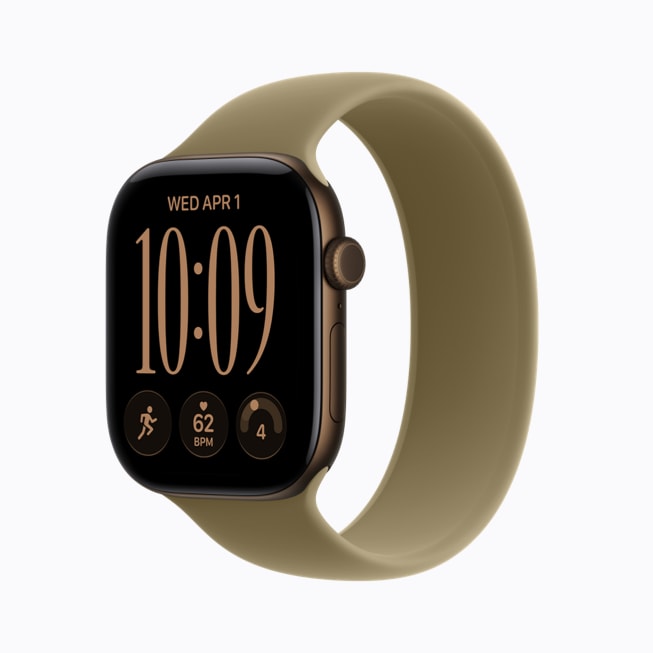
Series 12 keeps the two sizes buyers already understand: 42mm and 46mm. That is good news for fit, especially when the watch is intended to be worn overnight for sleep and recovery data. The case palette is broader than a basic aluminum refresh: dark bronze, black, light gold, and space gray aluminum sit alongside natural and radiant gold titanium, while ceramic returns in pearl white and night blue. Apple also says aluminum models use Ceramic Shield 2, which it rates as 60 percent tougher than the Ion-X glass used on the previous aluminum models.

Apple Inc. / Apple Newsroom press/media (Apple Newsroom press/media asset; editorial reuse from official press-release media download)
There is no new case geometry to learn and no radical control scheme. The Digital Crown, side button, and rectangular display continue to make the watch quick to understand, and the unchanged outline means existing band owners have a straightforward path forward. The tradeoff is visual: anyone hoping for a round face, a larger redesign, or a thinner silhouette will not find it here.
The finish choice changes the ownership experience more than the silhouette does. Aluminum remains the sensible everyday option because it keeps the entry price under control. Titanium is the premium choice for a lighter-looking, more jewelry-like finish, while ceramic is an expressive style decision rather than a value play. Apple has also introduced new band colors and patterns, so the Series 12 can look understated, sporty, or deliberately fashion-led without changing the watch itself.
The Health Sensing System is the real upgrade
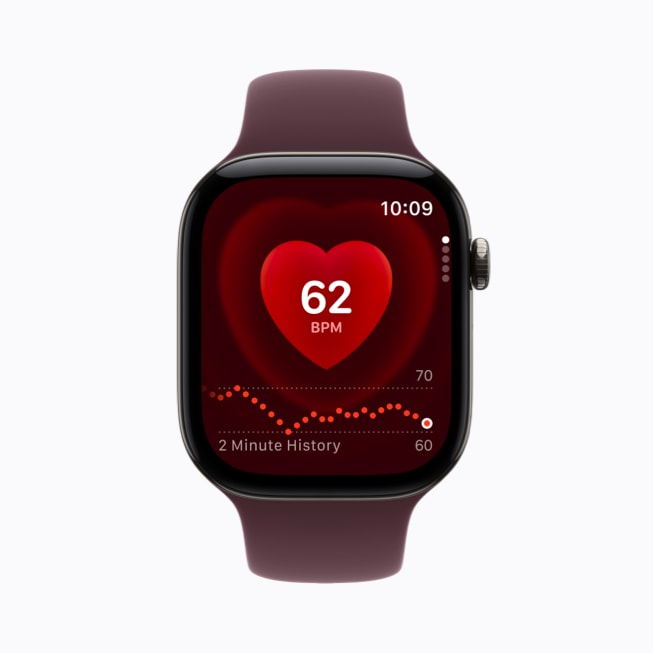
Apple's most consequential hardware change is a re-architected optical and electrical heart-sensing system. The company says a study with more than 1,000 participants compared Series 12 against leading wearables and found the highest heart-rate accuracy across the devices tested. That is a manufacturer-reported study, not an independent lab result, so it should be read as a claim with a defined method rather than a universal verdict. Still, it points to a sensible design priority: collect better data before adding more interpretation on top.
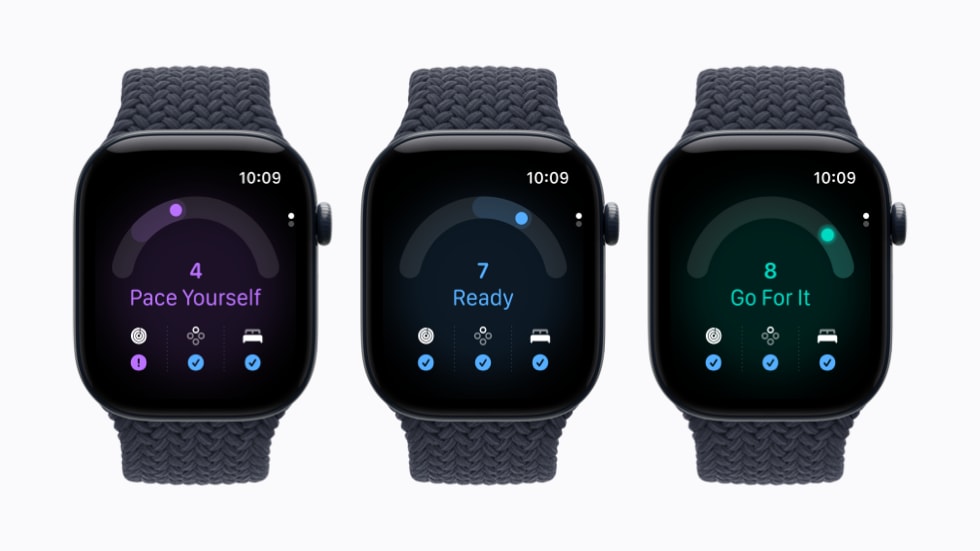
The watch now measures heart rate every 5 seconds throughout the day, according to Apple. Higher-frequency heart-rate and heart-rate-variability measurements feed the new Readiness score, which combines recent activity, training load, vitals, and sleep score into a single 0–10 result. The score then translates into a recommendation—Recover, Pace Yourself, Ready, or Go For It. That is much easier to use than opening three separate charts and guessing what they mean together.
The requirement is patience. Apple says Readiness needs 7 days and nights of use before it can establish a useful baseline. This is not a watch that tells you everything on the first morning. Buyers who already sleep in an Apple Watch will get value sooner because their history is already in Health; new users need to treat the first week as setup rather than judgment.
Apple Newsroom press/media asset (Apple Inc.; editorial reuse from the official press-release media download, Apple copyright).
The rest of the health package remains broad: sleep tracking, heart-health notifications, ECG, sleep-apnea notifications, Fall Detection, and Emergency SOS are all part of Apple's established safety story. Series 12 is therefore not replacing a narrow fitness tracker with another narrow fitness tracker. It is trying to make one device cover everyday health, workouts, recovery, and safety without making the wearer learn a sports-science vocabulary.
Performance, Siri AI, and the launch-week caveat
The S11 chip is important less because Apple promises a faster app launch and more because it unlocks a more ambitious software plan. With watchOS 27, Siri AI can use personal context and broader world knowledge on the wrist. Apple is also introducing Audio Intelligence features: Sound Recognition can identify sounds such as alarms, sirens, doorbells, or a baby crying; Live Rewind can show a text snippet from the previous 15 seconds of a conversation; and Siri Recap can summarize a conversation into key points.
Apple Inc. / Apple Newsroom press/media (Apple Newsroom press/media asset; editorial reuse from official press-release media download)
Those features are genuinely interesting because they fit the watch's strengths. A glanceable recovery recommendation is better than a dense dashboard, and a quick reminder of what someone just said solves a real wrist-sized problem. Apple says the audio features do not create or store audio recordings, use on-device processing where possible, and protect synced Live Rewind snippets and Siri Recap summaries with end-to-end encryption. The privacy architecture is an Apple claim, but the product decision is clear: the company wants intelligence features that feel ambient without turning the watch into a recorder you have to manage.
The caveat is timing. Apple says Siri Recap and Live Rewind arrive in beta later in 2026, and CNET reported that Siri AI, the redesigned Health app, and Audio Intelligence were not all available to test at launch. That makes Series 12 a product with two review dates: the hardware can be assessed now, while the most distinctive software deserves another look after release. Do not buy it solely for a feature you need immediately.
There are quieter gains too. Apple's redesigned pedometer model is intended to improve distance measurements for indoor walks and runs and step counts throughout the day. The watch can also support Workout Buddy without an iPhone nearby over Wi-Fi or cellular, and Apple says it now supports Spanish as well as English. These are useful refinements, but they will not turn Series 12 into a Garmin-style training computer.
Battery life and charging: better routine, same limitation
Battery life is both improved and still frustrating. The everyday rating remains up to 24 hours, but outdoor workout battery life rises to up to 10 hours, which Apple says is 25 percent more than the previous model. Fast charging also improves: 15 minutes can add up to 12 hours of battery life, a 50 percent increase over the previous charging claim.
That faster top-up is the difference between a tolerable routine and a constant interruption. You can charge while showering or getting ready, then put the watch back on for sleep. It does not remove the need to charge daily, and it does not compete with the multi-day or multi-week endurance of a Garmin Forerunner 265. If overnight recovery is the point of buying Series 12, the charging habit is part of the product, not an afterthought.
Apple Newsroom press/media asset (Apple Inc.; editorial reuse from the official press-release media download, Apple copyright).
Compared with the Apple Watch Ultra 4, Series 12 is the lighter, less intimidating daily choice, but the Ultra line remains the better fit for long events and users who routinely prioritize endurance over size. Compared with the older Series 11, Series 12 offers more sensing headroom without extending the headline day. That is a reasonable trade if recovery guidance matters more to you than fewer charging sessions.
Apple Watch Series 12 vs. the alternatives
The closest alternative is Apple's own Series 11. If you already own it and mainly want notifications, workouts, sleep tracking, and the familiar Apple ecosystem, the upgrade is not automatic. Series 12 earns its premium through higher-frequency sensing, Readiness, S11-powered features, and faster charging. Buyers coming from Series 8 or older models have a clearer case because the new software and health features represent a larger step.
The Apple Watch Ultra 4 is the obvious Apple alternative for endurance athletes, divers, and people who prefer a larger rugged case. It offers a more adventure-oriented design and more battery headroom, but it is harder to sleep in and more watch than a casual fitness user needs. Series 12 is the better default for an iPhone owner whose day includes commuting, meetings, workouts, and bed rather than multi-day expeditions.
Garmin Forerunner 265 remains the training-first choice. Its appeal is not a clever AI assistant; it is the depth of running metrics, recovery tools, and longer battery life. Choose Garmin if you care more about structured training and charging less often than about cellular communication, Apple Health integration, or a full smartwatch app ecosystem.
Android owners should look at the Google Pixel Watch 3 or Samsung Galaxy Watch 7 instead. Those watches make sense with Android phones, while Series 12 remains an iPhone-first product. The right comparison is therefore not only feature against feature. It is also phone platform, charging tolerance, training depth, and whether you want a health dashboard that explains itself or a sports computer that gives you more raw control.
Who should buy Apple Watch Series 12?
Buy it if you use an iPhone, want a polished everyday smartwatch, and will actually wear it overnight. The new sensing system is most valuable to people who want a simple answer to “How hard should I train today?” rather than another stream of numbers. It is also a sensible upgrade from an older Apple Watch, especially if you are interested in Siri AI, sleep-apnea notifications, or the broader watchOS 27 feature set.
Skip it if your main priority is battery life. A Garmin Forerunner 265 is a better tool for runners who would rather charge once a week than once a day. Skip it if you use Android, because platform compatibility is not a minor limitation. And skip it if the new AI features are your sole reason to buy today; their launch-week availability is incomplete.
Verdict
Apple Watch Series 12 is the right kind of refinement. Apple has not changed the shape because the shape already works; it has improved the quality and frequency of the data that make the watch useful. Readiness is the standout feature because it turns heart rate, HRV, sleep, and training load into a decision rather than another chart. The S11 chip and Audio Intelligence give the watch a credible second act beyond fitness.
The recommendation comes with one firm condition: accept the charging routine. Series 12 is not the Apple Watch for someone who wants to forget about charging for several days. It is the best mainstream Apple Watch for an iPhone owner who wants clearer health guidance, dependable safety features, and a watch that can grow as watchOS 27's intelligence features arrive.
FAQ
Is Apple Watch Series 12 a new generation?
Yes. Apple introduced Series 12 on September 9, 2026. It is the successor to Series 11, with the S11 chip and a redesigned Health Sensing System.
How much does Apple Watch Series 12 cost?
The 42mm aluminum Wi-Fi model starts at $399 in the United States. Titanium and ceramic versions cost more, and cellular configurations add to the price.
What sizes are available?
Series 12 comes in 42mm and 46mm case sizes. That gives smaller and larger wrists a choice without creating a separate feature tier.
Does Series 12 work with Android phones?
No. It is an iPhone-first product and should not be purchased as an Android smartwatch. Android users should consider a Pixel Watch or Galaxy Watch instead.
How long does the battery last?
Apple rates it for up to 24 hours of everyday use and up to 10 hours during an outdoor workout. Real battery life will vary with screen use, notifications, workouts, cellular service, and health tracking.
How quickly does it charge?
Apple says 15 minutes of charging can add up to 12 hours of battery life. That is useful for topping up before bed or during a morning routine, but it does not eliminate daily charging.
What is the Readiness score?
Readiness is a daily 0–10 recommendation based on recent activity, training load, vitals, and sleep score. It can recommend Recover, Pace Yourself, Ready, or Go For It. Apple says it needs 7 days and nights to establish a baseline.
Are Siri AI and Audio Intelligence available immediately?
Not all of them. Apple says Siri AI arrives with watchOS 27, while Siri Recap and Live Rewind arrive in beta later in 2026. CNET reported that several of the headline AI features were not fully available to test during its launch-week demo.
Is Series 12 a good upgrade from Series 11?
Only if you care about the new sensing system, Readiness, faster charging, or the new intelligence features. For basic notifications and workouts, Series 11 owners may reasonably wait for a larger discount or a later generation.
Does it require a subscription?
The core watch features do not require an additional subscription. Apple services such as Fitness+ and Apple Music remain separate subscriptions, and some feature availability depends on region, language, and a compatible iPhone.
Which Apple Watch should runners buy?
Series 12 is the better choice for runners who also want a full smartwatch, safety features, and Apple ecosystem integration. Choose the Ultra 4 for longer events and a more rugged design, or Garmin's Forerunner line for deeper training tools and longer battery life.
How long should I wait before judging the health features?
Give Readiness at least 7 days and nights to learn your baseline. Also wait for the promised AI features to reach their later-2026 beta releases before deciding whether those features change your daily workflow.