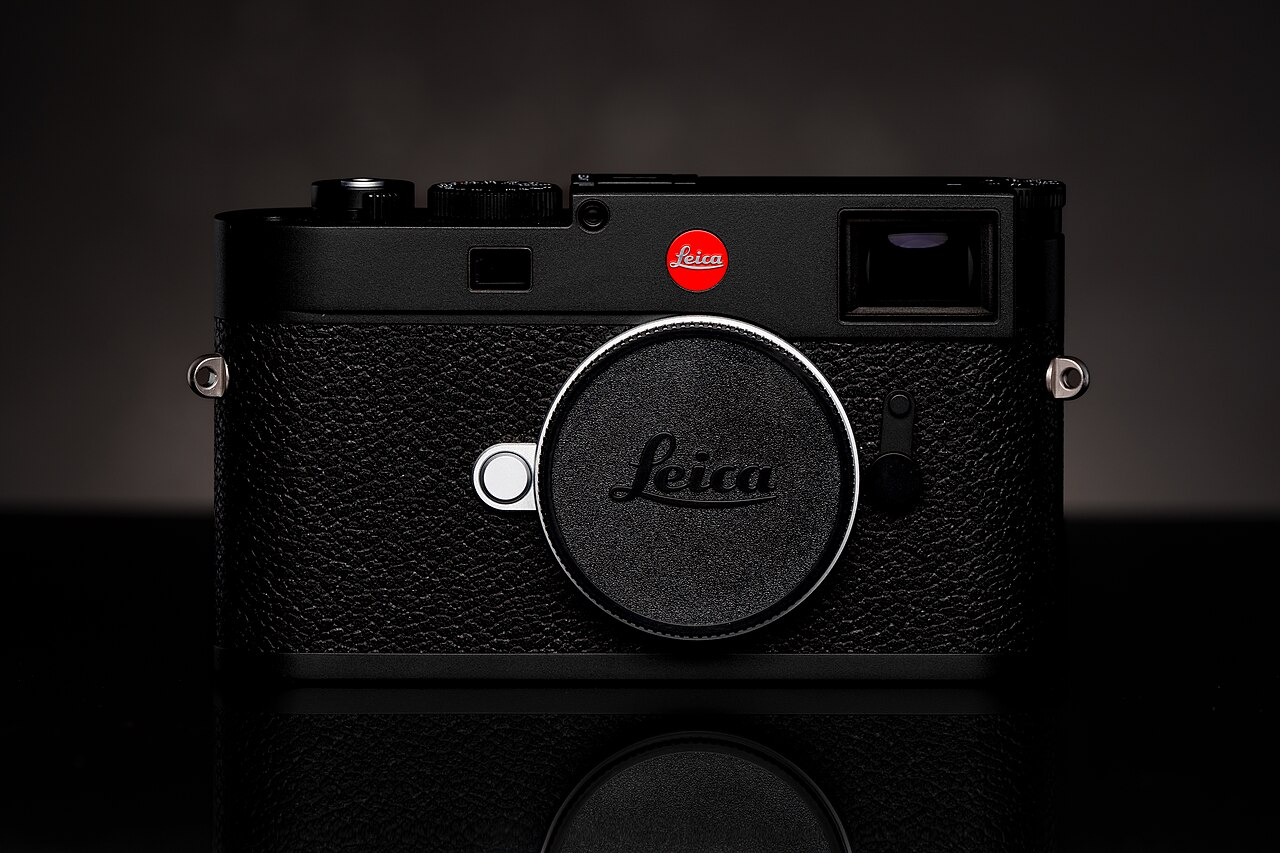
Overview: the 8,995 USD refusal to behave like a modern camera
The Leica M11 is a camera built around a very expensive no. No autofocus. No video recording. No in-body stabilization. No promise that the camera will solve the hard parts of photography for you. What it does offer is a 60 MP full-frame CMOS sensor inside a manual-focus rangefinder body, and that single sentence explains both the appeal and the problem. At 8,995 USD, the M11 is not a rational default for most photographers. It is a deliberate rejection of the everything-camera.
That rejection is not a gimmick. A modern Sony, Canon, or Nikon body can recognize eyes, track birds, shoot fast bursts, and record serious video. The M11 does none of that. Instead, it asks whether your best pictures come from seeing, pre-focusing, waiting, and pressing the shutter at the right moment. If that sounds romantic, it is. If it sounds limiting, it is that too. The M11 is a magnificent tool only for buyers who want the limitation.
The useful way to judge it is not by pretending it competes feature-for-feature with hybrid cameras. It does not. The useful question is whether the 60 MP image quality, classic craftsmanship, and distinctive rangefinder workflow justify giving up automation and versatility. For street photography, documentary work, travel, and slow portrait sessions, the answer can be yes. For sports, wildlife, weddings with unpredictable movement, content creation, or anything that needs video, the answer is almost certainly no.
Leica's strength here is coherence. The M11 knows what it is. It is a high-resolution still camera for photographers who are willing to focus manually, live without stabilization, and build a workflow around intention rather than assistance. That coherence makes it easier to admire and harder to recommend broadly.
Design and build: rangefinder minimalism with a price tag
The body is the argument. The M11 carries the visual grammar that makes an M camera an M camera: compact rectangular form, mechanical simplicity, and a rangefinder shooting experience that keeps the photographer looking through a window rather than watching a tiny television. Classic craftsmanship and exceptional build quality matter because Leica buyers are not paying only for output. They are paying for the physical experience of using the thing.
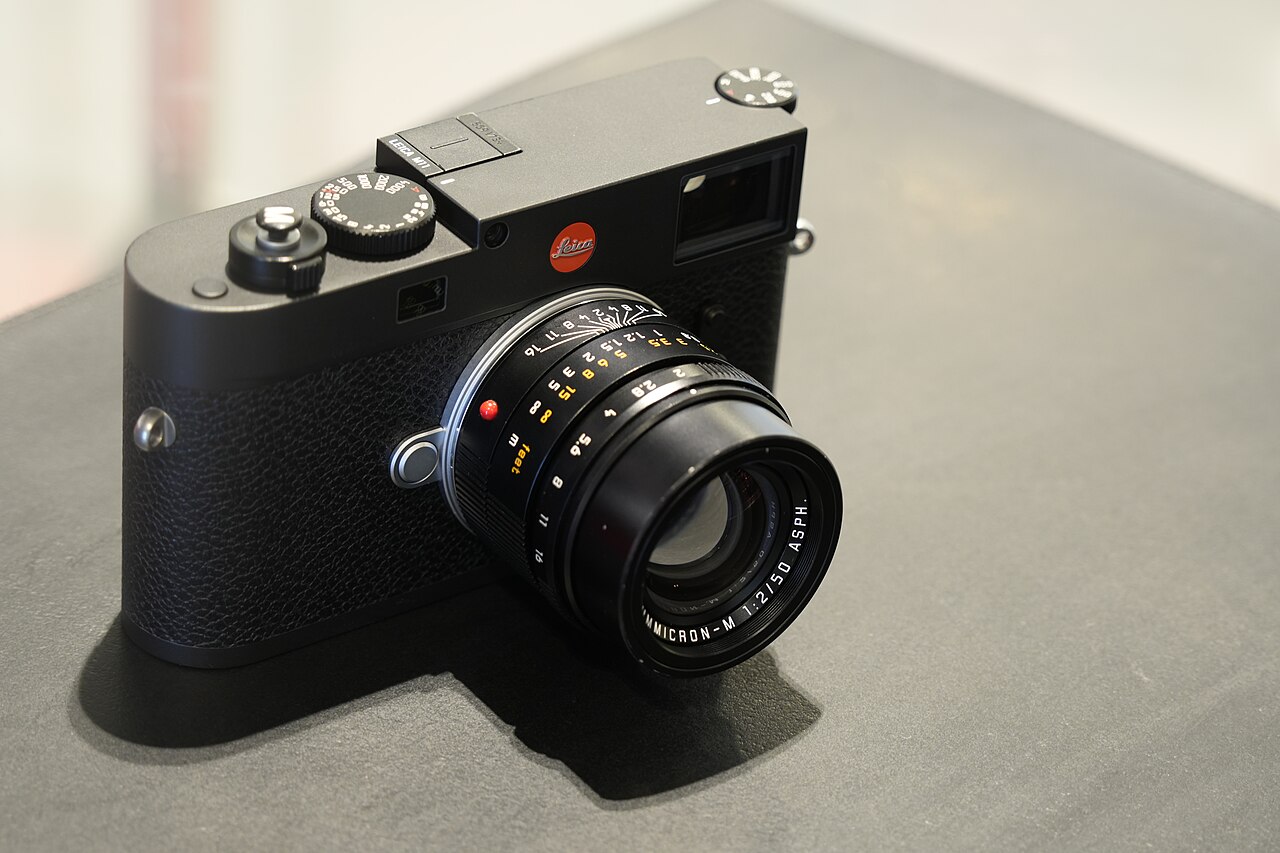
Peachyeung316 / Wikimedia Commons (CC BY-SA 4.0)
Controls are deliberately spare. That is a gift if you already know what you want from aperture, shutter speed, ISO, and manual focus. It is a punishment if you expect the camera to rearrange itself for every situation. A Sony A7R V or Nikon Z8 gives you deep customization, subject-detection menus, video pages, autofocus modes, and drive settings. The Leica keeps the interface closer to the act of taking a still photograph. Fewer modes mean fewer excuses, but also fewer escape routes.
The rangefinder itself is the dividing line. Manual focus rangefinder shooting is not the same as manual focus through an electronic viewfinder with magnification and peaking. You align the rangefinder patch, judge the scene, and trust your technique. That can feel fast and fluid with practice, especially for street distances and zone focusing. It can also feel archaic when a subject moves toward you, when depth of field gets thin, or when your eyes are tired. The M11's design is honest about this: it rewards skill rather than replacing it.
The 60 MP sensor changes the stakes. High resolution is generous when focus is right and merciless when focus is slightly wrong. With no stabilization, handholding discipline matters. With no autofocus, subject motion matters. The camera can produce files with abundant detail, but the body will not rescue sloppy technique. For some photographers, that is the attraction. For others, it is the dealbreaker.
Real-world image quality and shooting rhythm
The M11's best practical argument is simple: 60 MP full-frame files give you room. Room to print large, room to crop, room to preserve texture in architecture, fabric, skin, street signage, foliage, and the small visual accidents that make a frame worth keeping. This is the part of the camera that feels obviously modern. The shooting experience may be old-school, but the output is not pretending to be film-era modest.
The catch is that resolution does not operate alone. A 60 MP file rewards careful focusing, steady hands, and lenses that can support the sensor. It also increases the visibility of small mistakes. A missed rangefinder alignment that might look acceptable from a lower-resolution body can become obvious when you inspect a 60 MP image. That does not make the M11 difficult in a bad way; it makes it exacting. The camera's ceiling is high, but the floor depends on the photographer.
In practical use, that changes the pace. You anticipate rather than chase. You set exposure, pre-focus, wait for the subject to enter the frame, and accept that not every opportunity belongs to you. The M11 is excellent for photographers who enjoy that rhythm. It is poor for photographers who want to spray options and decide later. There is nothing wrong with either approach, but confusing the two leads to expensive disappointment.
Color and tonal response are part of the Leica appeal, but the buying case should not depend on invented lab charts or unverified dynamic-range numbers. Image quality is a core strength because the M11 is a still-image-first camera with a high-resolution full-frame sensor. The more important buying point is not a made-up benchmark number; it is whether you want to spend 8,995 USD on a camera that gives you beautiful still files while refusing video, autofocus, and stabilization conveniences.
Manual focus performance: the point and the penalty
Calling manual focus a weakness misses the way M cameras are meant to be used. It is both the point and the penalty. For deliberate photography, the rangefinder can be quick. Zone focusing on the street lets you work from distance and timing instead of focus acquisition. Portraits can feel more collaborative because the camera is not chattering through subject boxes. Travel photography benefits from the quiet, compact, low-drama behavior of the body.
But no honest assessment pretends manual focus is broadly competitive with modern autofocus. This is a manual focus rangefinder. That means the M11 is not tracking a child sprinting across a yard, not following a bird in flight, not locking to an eye during a chaotic wedding reception, and not saving a once-only moment when your distance estimate is wrong. If your work depends on those situations, buy a different camera.
The lack of video recording is even cleaner. This is not a hybrid body with weak video; it is a camera that does not record video. That single omission should remove it from consideration for YouTubers, solo creators, event shooters who need clips, and anyone who wants one body to handle stills and motion. The M11 is purer than that, and purity has a cost.
The same goes for stabilization. There is none. That does not make handheld photography impossible, but it does mean the photographer has to manage shutter speed, stance, and light with care. In bright street conditions, that may be a nonissue. Indoors, at dusk, or with slower shutter choices, it can matter a great deal. The camera's best buyers will treat that as part of the discipline. The wrong buyers will experience it as friction.
Leica M11 vs Sony, Nikon, Canon, Fujifilm, and Hasselblad alternatives
The Sony A7R V is the obvious high-resolution foil. It sits in the same broad full-frame stills conversation with roughly 61 MP resolution, but it approaches photography from the opposite direction: advanced autofocus, flexible composition aids, and a body built for modern mirrorless control. If you want high detail and help nailing focus, the Sony is the safer tool. If you want a rangefinder process and the Leica body experience, the M11 is the one that feels emotionally different.
The Nikon Z8 is less about matching megapixels and more about capability. At roughly 45 MP, the Z8 gives up some resolution on paper but gains speed, autofocus, and serious hybrid flexibility. It is the body I would steer toward sports, wildlife, action events, and photographers who refuse to choose between stills and video. The M11 is calmer, smaller in spirit, and more specialized. The Nikon is a production machine. The Leica is an instrument.
The Canon EOS R5 makes the same point from another brand. Around 45 MP resolution, strong autofocus, and established hybrid credentials make it a far better single-camera choice for many working photographers. A Canon shooter can cover portraits, weddings, travel, product images, and video with one body and the right lenses. The Leica M11 asks you to narrow the job. That narrowing can make the experience better, but it makes the purchase harder to justify.
Medium-format alternatives complicate the luxury question. Fujifilm's GFX line and Hasselblad's X2D 100C push into roughly 100 MP or 102 MP territory depending on model, offering a different kind of slow, high-detail photography. They are not rangefinders, and they are not substitutes for the M experience, but they do challenge the idea that the Leica is the obvious prestige image-quality choice. If maximum detail per dollar is the target, the M11 is vulnerable. If compact rangefinder identity is the target, the Fujifilm and Hasselblad bodies do not replace it.
Panasonic also deserves a mention because its full-frame L-mount bodies often appeal to hybrid creators who want video and stabilization-forward design. That is another reminder that the M11 is not a general-purpose content camera. It is a 60 MP still camera with a very old soul and very modern files.
Who should buy the Leica M11?
Buy the M11 if your primary work is still photography, you want a manual-focus rangefinder, and the act of making the picture matters almost as much as the picture itself. Street photographers, documentary shooters, travel photographers, and careful portraitists are the natural audience. The camera is also appealing to collectors who actually shoot, not merely collectors who want a red-dot object on a shelf.
Do not buy it because you think a higher price automatically means better pictures. A 8,995 USD body can still miss focus. A 60 MP sensor can still record a boring frame. The M11 will not create timing, composition, courage, or patience. It will make those qualities feel more connected to the photograph, which is why some photographers love it.
Avoid it if you need autofocus, video, stabilization, high-speed action coverage, or broad professional versatility. A Sony A7R V, Nikon Z8, Canon EOS R5, or Panasonic hybrid body will make more sense for most mixed workloads. Avoid it if you are moving from a phone or entry mirrorless camera and want convenience. The M11 is not a convenience purchase. It is a commitment to a specific way of seeing.
Bottom line verdict
The Leica M11 is brilliant and unreasonable in almost equal measure. Its 60 MP full-frame sensor, classic build, and rangefinder workflow create an experience no mainstream mirrorless camera really duplicates. Its limitations are not hidden: no autofocus, no video recording, no stabilization, and a price of 8,995 USD. Those are not footnotes. They are the purchase decision.
For the right photographer, the M11 can be the camera that makes photography feel personal again. For the wrong photographer, it will be an expensive reminder that romance does not track focus or shoot video. I would not recommend it to most buyers, and that restraint is part of respecting what it is. The M11 is not the best camera for everyone. It is one of the clearest cameras for a very particular someone.