Introduction
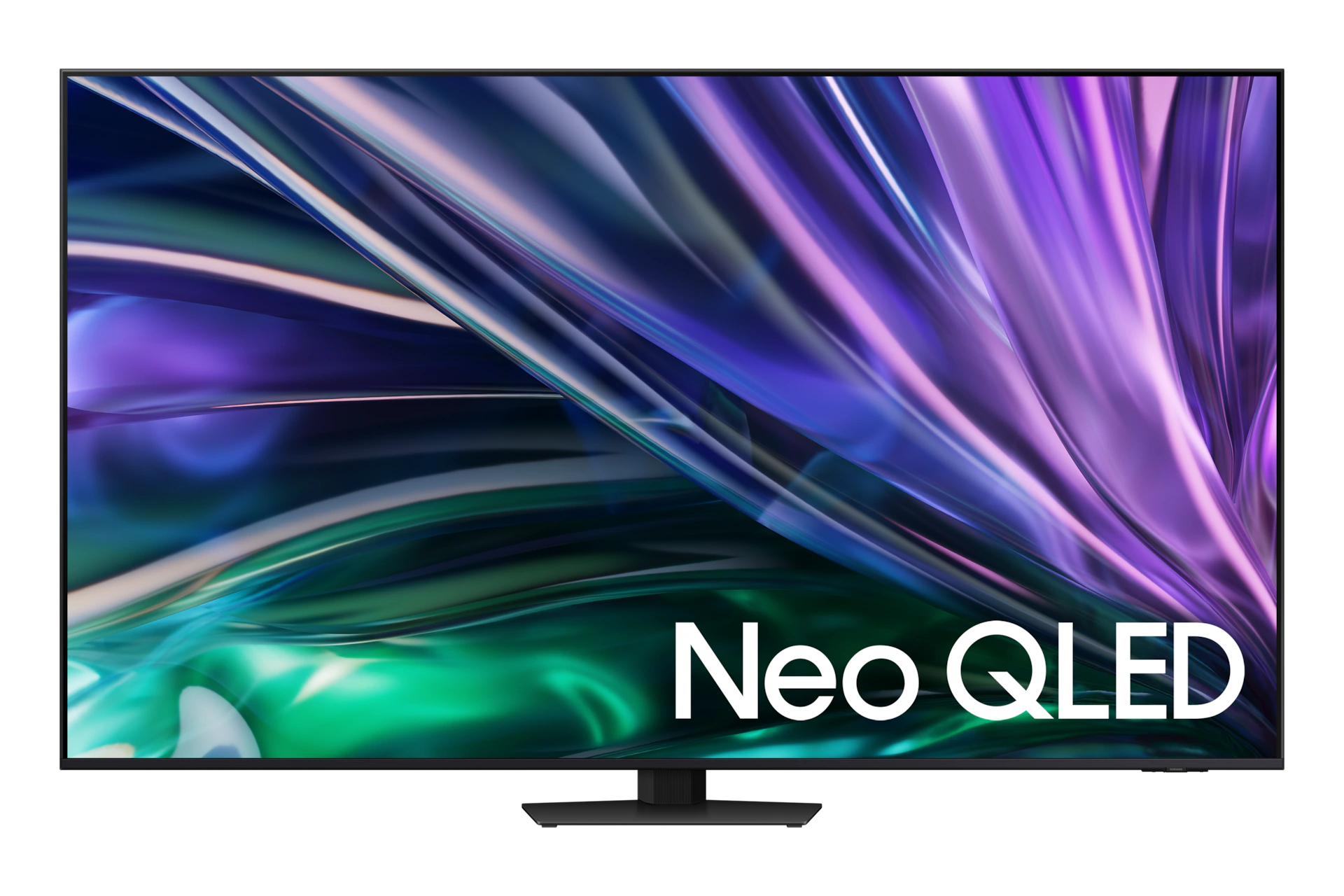
Samsung's Neo QLED lineup spans from the entry-level QN85D at the bottom to the flagship QN90D at the top, and the QN85D occupies an interesting position: it offers many of the same core panel technologies as the QN90D at a meaningfully lower price, making it one of the most compelling options in Samsung's 2024 lineup for buyers who want genuine Mini-LED performance without paying flagship prices.
The QN85D brings Quantum Matrix Technology — Samsung's proprietary Mini-LED local dimming implementation — to a price bracket that was previously served only by traditional full-array local dimming. The difference in image quality between a QN85D and a standard Samsung Crystal UHD is immediately and dramatically apparent, particularly in HDR content where controlled local dimming separates bright highlights from shadow detail with surgical precision.
Alongside the TCL QM8 and LG C4 OLED, the 55-inch QN85D sits in a revealing position. The QN85D competes most directly with the QM8 in price and specifications, and the two TVs represent genuinely different approaches to the same problem — high-performance Mini-LED at an accessible price point.
Picture Quality
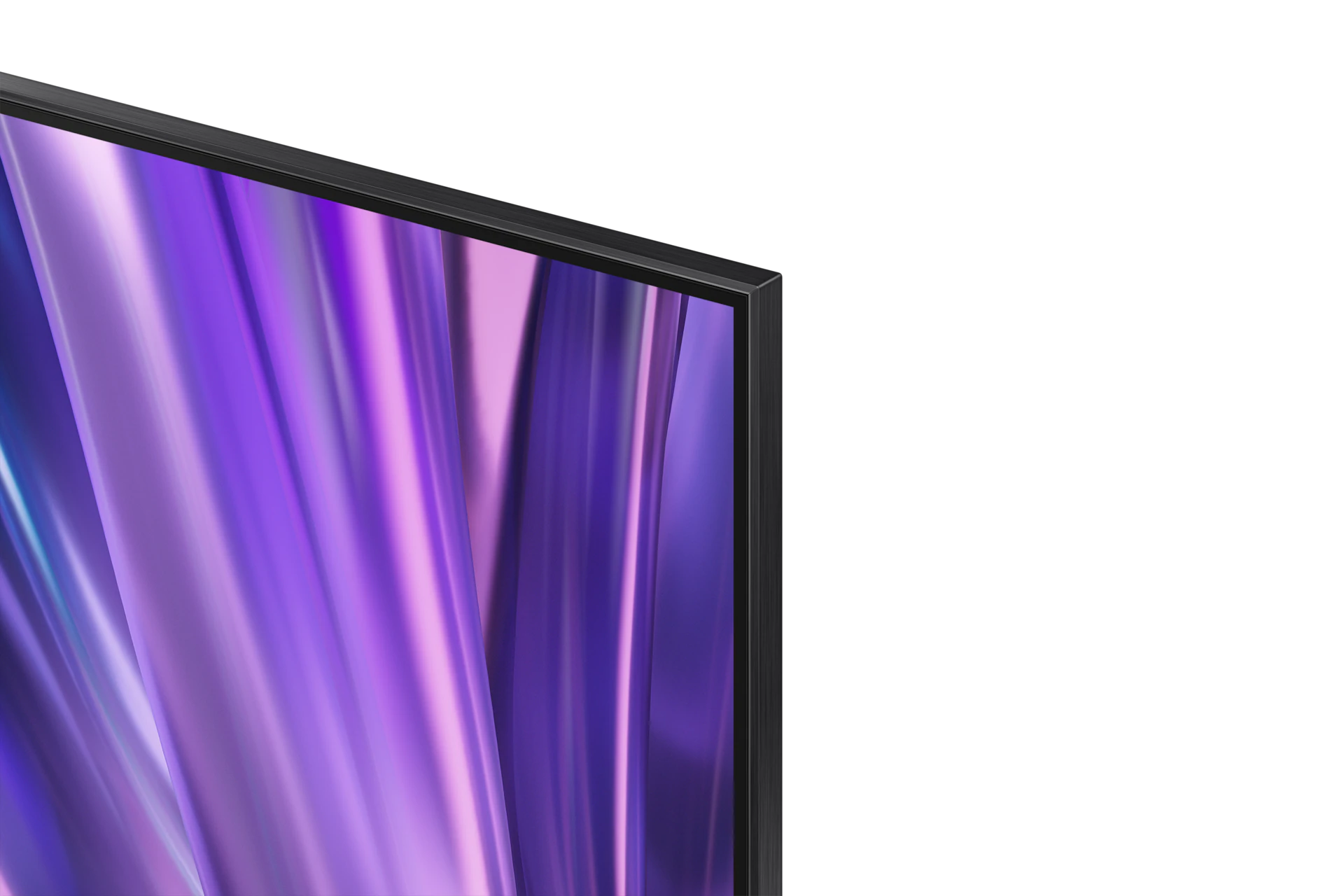
Quantum Matrix Technology is Samsung's marketing name for its Mini-LED backlighting system with precision dimming control. In the QN85D, the zone count is lower than the flagship QN90D but substantially higher than budget full-array TVs. The result is local dimming that handles most real-world content excellently — HDR highlights bloom minimally, shadow regions stay dark, and the transition between bright and dark areas is gradual rather than abrupt.
Samsung Electronics / Samsung.com (AE region) (Manufacturer product image)
Independent testing places peak brightness on the QN85D at approximately 1,500–1,800 nits depending on content window size and model configuration. This is lower than Samsung's flagship QN90D but still considerably brighter than OLED alternatives. In a bright room, the QN85D's picture remains vivid and punchy where OLED panels begin to wash out. The quantum dot color layer ensures wide color gamut performance across the full brightness range.
Color accuracy is very good. The QN85D covers approximately 95% of DCI-P3 and benefits from Samsung's well-regarded factory calibration, with reviewers typically measuring Delta-E values under 3.0 in Movie mode. HDR10+ Adaptive uses the ambient light sensor to dynamically adjust tone mapping — functionally similar to Dolby Vision IQ, though limited to HDR10+ content.
The absence of Dolby Vision is the QN85D's most significant picture quality compromise. While HDR10+ is an excellent standard with dynamic metadata, the Dolby Vision content library is considerably larger, and services like Netflix and Disney+ deliver their premium HDR tiers primarily in Dolby Vision. On HDR10+ content, the QN85D is excellent. On Dolby Vision content, it falls back to HDR10, which lacks the per-scene metadata optimization.
The optional matte anti-reflection screen — the Ultra Viewing Angle+ finish — is a genuinely transformative addition for brightly-lit rooms. The reflective glare that renders OLED panels difficult in direct sunlight is dramatically reduced, and the matte finish does not materially compromise peak brightness in real-world use. If your TV placement includes window reflections, the matte option is worth the additional cost.
Gaming Performance
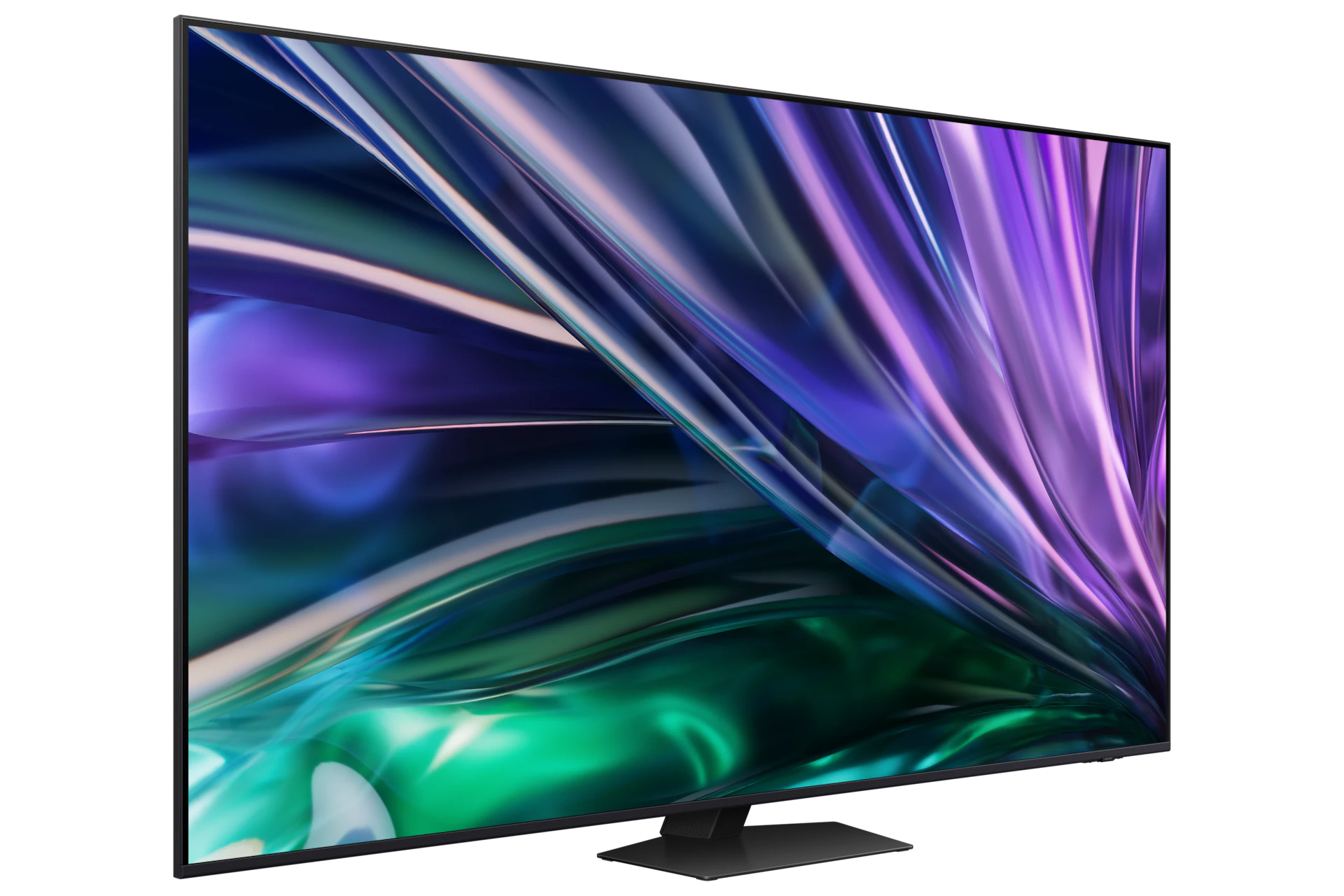
The QN85D's 144Hz panel is a meaningful differentiator for PC gamers. While consoles are capped at 120Hz maximum, a gaming PC with a high-end GPU can push 4K/144Hz — a mode the QN85D supports with full variable refresh rate coverage. FreeSync Premium Pro and G-Sync Compatible certification ensures adaptive sync works across both major GPU ecosystems.
Samsung Electronics / Samsung.com (AE region) (Manufacturer product image)
Samsung's Game Bar overlay is the most comprehensive gaming interface available on any TV. A quick button press overlays a heads-up display showing current frame rate, VRR status, input lag mode, and HDR settings without requiring a trip into the main settings menu. This is genuinely useful during gaming sessions.
Reviewers place input lag in Game Mode at approximately 5–7ms at 4K/120Hz — lower than Sony's competition and meaningfully better than many LCD TVs, though still above the 1–2ms achieved by OLED panels. For the vast majority of gaming use cases, this distinction is academic.
Auto Low Latency Mode triggers automatically when a console is connected. The port limitation bears repeating: for 4K/120Hz gaming requiring full HDMI 2.1 bandwidth, use HDMI ports 3 or 4. Ports 1 and 2 are rated at 18Gbps and will not support 4K/120Hz with HDR simultaneously on all content.
Samsung Gaming Hub is a valuable addition — it provides cloud gaming access via Xbox Game Pass, NVIDIA GeForce Now, and other services directly from the TV, without requiring a connected console or PC. The interface is well-implemented and the performance is serviceable for cloud gaming's inherent latency constraints.
Smart TV & Interface
Tizen OS on the QN85D is fast, well-designed, and loaded with features. Samsung's Universal Guide aggregates content recommendations across connected apps, and the interface navigation is smooth and responsive. The remote features a solar charging strip and built-in infrared blaster for controlling external devices.
Samsung Electronics / Samsung.com (AE region) (Manufacturer product image)
The primary complaint about Tizen is Samsung's aggressive home screen monetization. The default home layout prominently features Samsung TV Plus (their free ad-supported streaming service), sponsored content recommendations, and app advertising. This can be customized but not entirely removed. For users who prioritize a clean, distraction-free interface, LG's webOS or Sony's Google TV implementation are less commercial by default.
App support covers all major streaming services. Samsung has maintained exclusive deals with some content partners, though the gap versus Google TV's Play Store library has narrowed.
Design & Audio
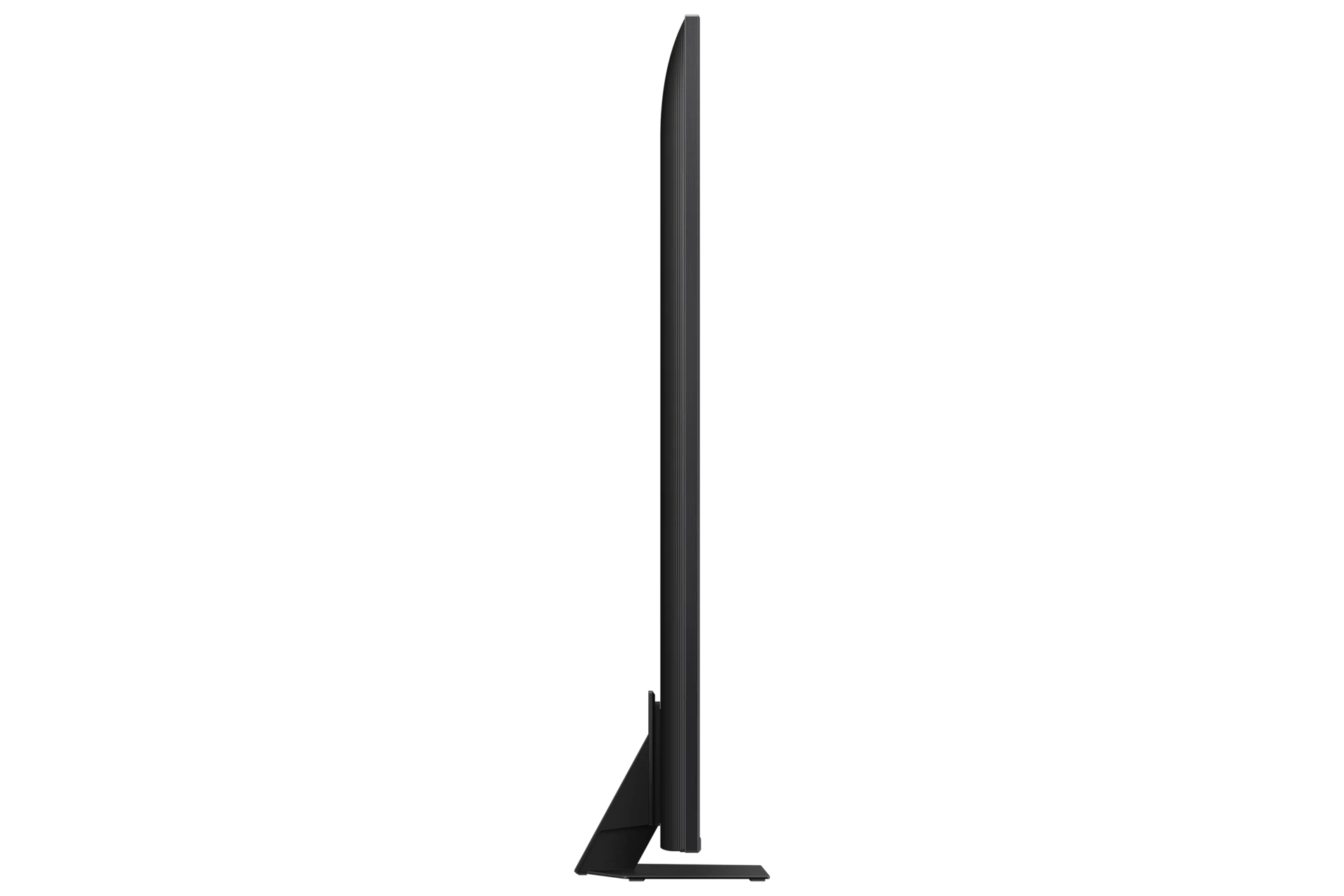
Samsung's design language on the QN85D is sharp and contemporary. The thin bezel, clean back panel, and aluminum stand project a premium appearance that justifies the price point. The One Connect Box option — available on higher-tier Samsung models — is not included on the QN85D, meaning all cable connections attach directly to the TV.
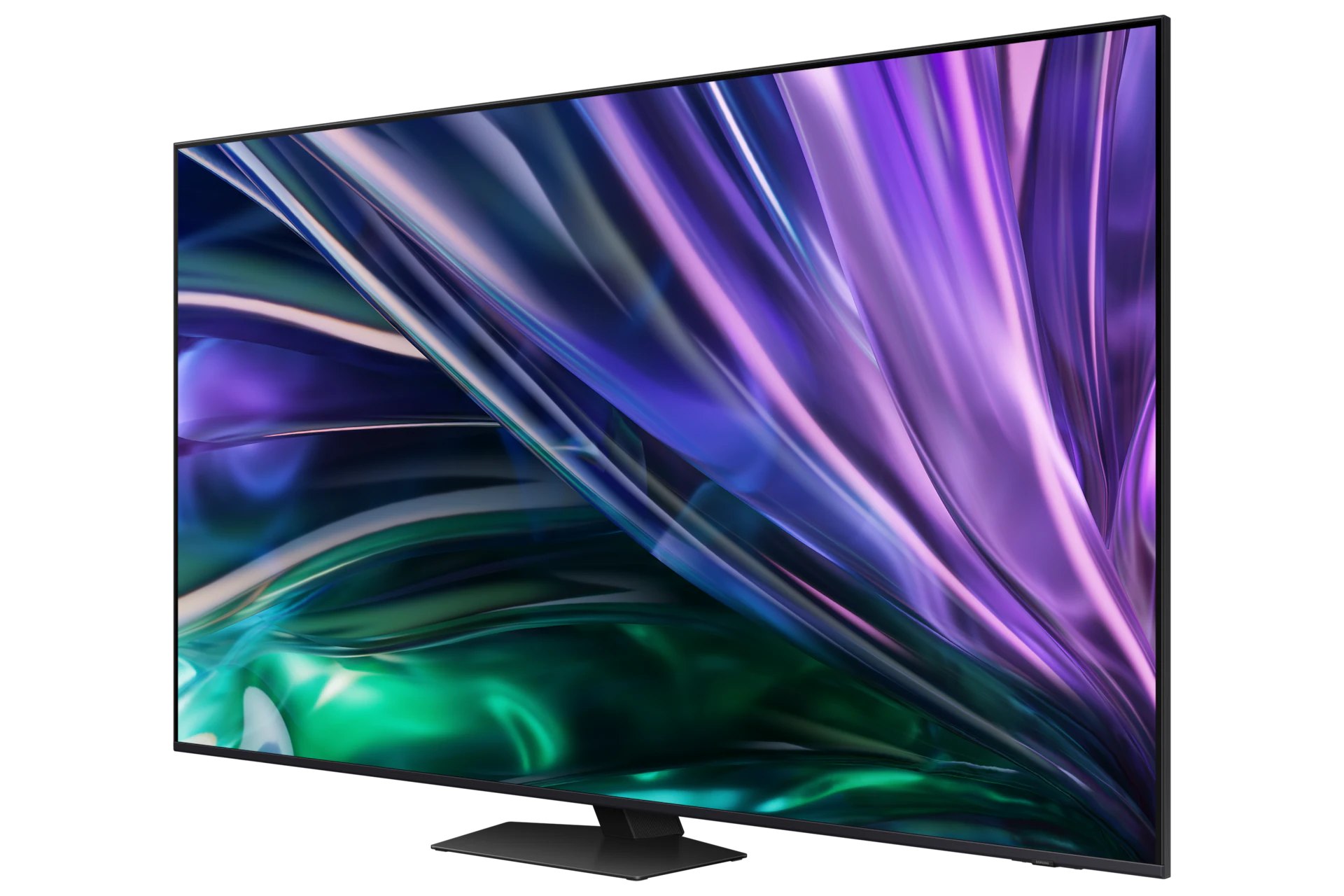
Samsung Electronics / Samsung.com (AE region) (Manufacturer product image)
Object Tracking Sound (OTS) uses multiple speakers positioned to match on-screen action, creating some sense of audio dimensionality. The system is competent for TV audio standards but limited by driver size constraints. At this price tier, a companion soundbar is recommended for any serious audio use.
Verdict
The Samsung QN85D is an excellent Mini-LED television for buyers who want Samsung's ecosystem — Gaming Hub, Tizen OS, HDR10+ Adaptive — at a price that undercuts the flagship QN90D without sacrificing the core Quantum Matrix panel technology. The 144Hz gaming capability, solid local dimming performance, and optional matte anti-reflection finish give it a compelling case in the $1,000–$1,200 bracket.
The lack of Dolby Vision and the port bandwidth limitation are genuine trade-offs worth understanding before purchasing. But if those concessions are acceptable, the QN85D delivers exceptional value in the Samsung lineup.