Introduction
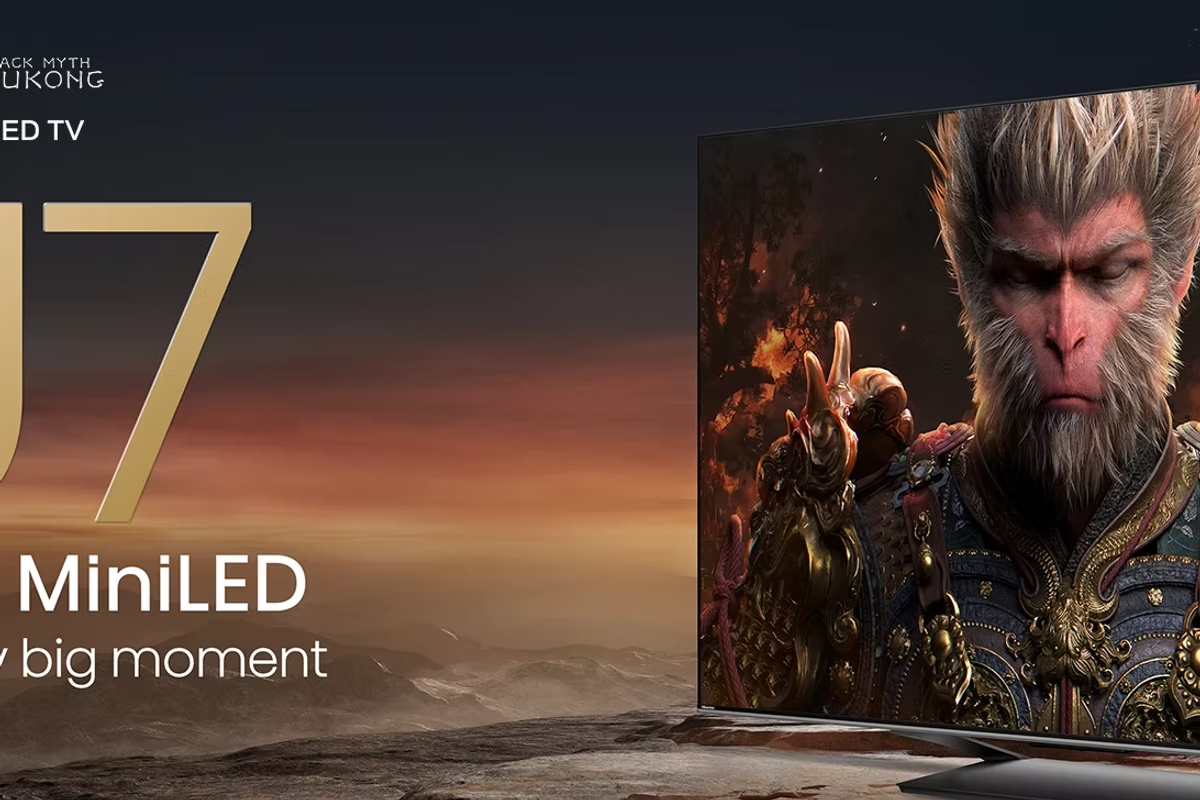
Hisense has emerged as one of the most significant disruptors in the television industry over the past three years, and the U7N is the product that best illustrates how far they have come. At $549 for a 55-inch panel, the U7N delivers Mini-LED ULED backlighting, 1,500 nits peak brightness, 144Hz gaming, three HDMI 2.1 ports, Dolby Vision IQ, HDR10+, and Google TV. Each of those specifications would have been considered premium-tier just eighteen months ago. Together, at this price, they represent a fundamental challenge to the value proposition of every TV maker charging more.
Across the content types and viewing environments the U7N is built to handle, independent reviewers find a pattern consistent with what the specifications suggest: the U7N is not quite a match for TVs at two or three times the price in absolute image quality terms, but the gap is considerably smaller than the price difference would imply. For the typical household upgrading from a 1080p or entry-level 4K TV, the U7N will feel like a revelatory improvement.
Hisense ULED is the company's proprietary branding for their quantum dot plus local dimming panel technology — equivalent to what Samsung calls Neo QLED or TCL calls QLED. The technology is the same: a full-array LED backlight with independently controllable zones behind a quantum dot layer that expands color gamut.
Picture Quality
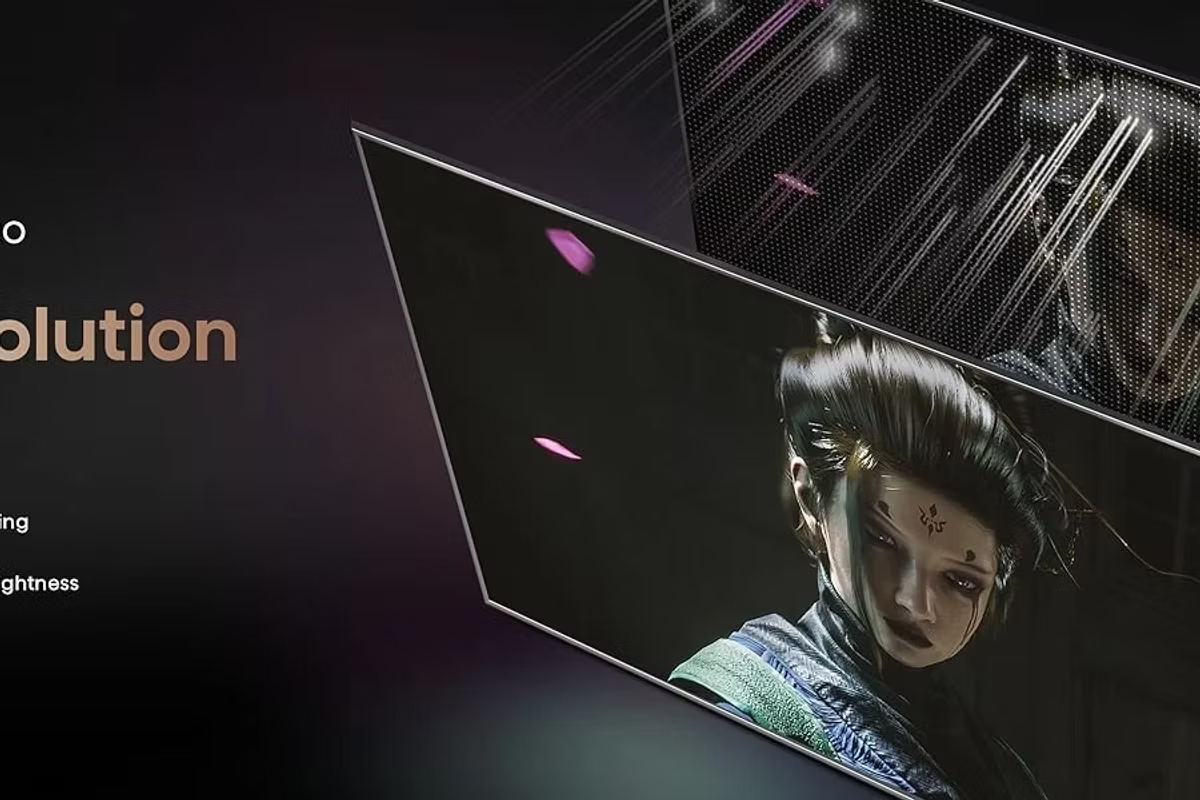
The Mini-LED backlight in the U7N delivers genuine local dimming performance. The zone count is not published by Hisense, but independent evaluations place its dimming precision between budget full-array TVs and the high-zone-count panels found in the TCL QM8 or Samsung QN90D. Dark scenes in HDR content show controlled highlight separation, with fire, lights, and specular reflections registering as distinct bright objects against genuinely dark backgrounds.
Hisense USA (Manufacturer product image)
Peak HDR brightness of approximately 1,500 nits is the U7N's standout specification. This is bright enough to produce the visceral "pop" of good HDR highlights in a way that entry-level TVs with 300–500 nit peaks simply cannot match. Bright outdoor scenes, explosions, and shiny surfaces in Dolby Vision content have genuine intensity. In a well-lit room, the U7N holds its own against sunlight reflections.
Color coverage is excellent, consistent with quantum dot panels at this tier. Reviewers typically measure DCI-P3 coverage around 93–95%. Dolby Vision IQ dynamically adapts tone mapping to ambient light, producing correct-looking images across different room lighting conditions. HDR10+ provides similar adaptive metadata for Amazon content.
Viewing angles are the U7N's most significant picture quality limitation. The VA panel technology delivers deep blacks and high contrast from straight-on viewing but shows color shift and brightness reduction as you move off-axis. A household where the primary viewing position is directly in front of the TV will not notice this. A large sectional sofa with seats at 30–45 degree angles to the screen will see picture quality degradation at the outer seats.
Factory calibration is better than expected for this price. In Movie mode or Filmmaker Mode, color accuracy is respectable without any professional calibration. White balance is slightly warm on some units but easily corrected in settings.
Gaming Performance
Three HDMI 2.1 ports supporting 48Gbps each makes the U7N one of the best-equipped gaming TVs at its price. PS5, Xbox Series X, and a gaming PC can all connect simultaneously with full 4K/120Hz capability. The fourth HDMI port is limited to HDMI 2.0 bandwidth, which restricts it to 4K/60Hz — adequate for a streaming device or secondary console but not a primary gaming input.
Hisense USA (Manufacturer product image)
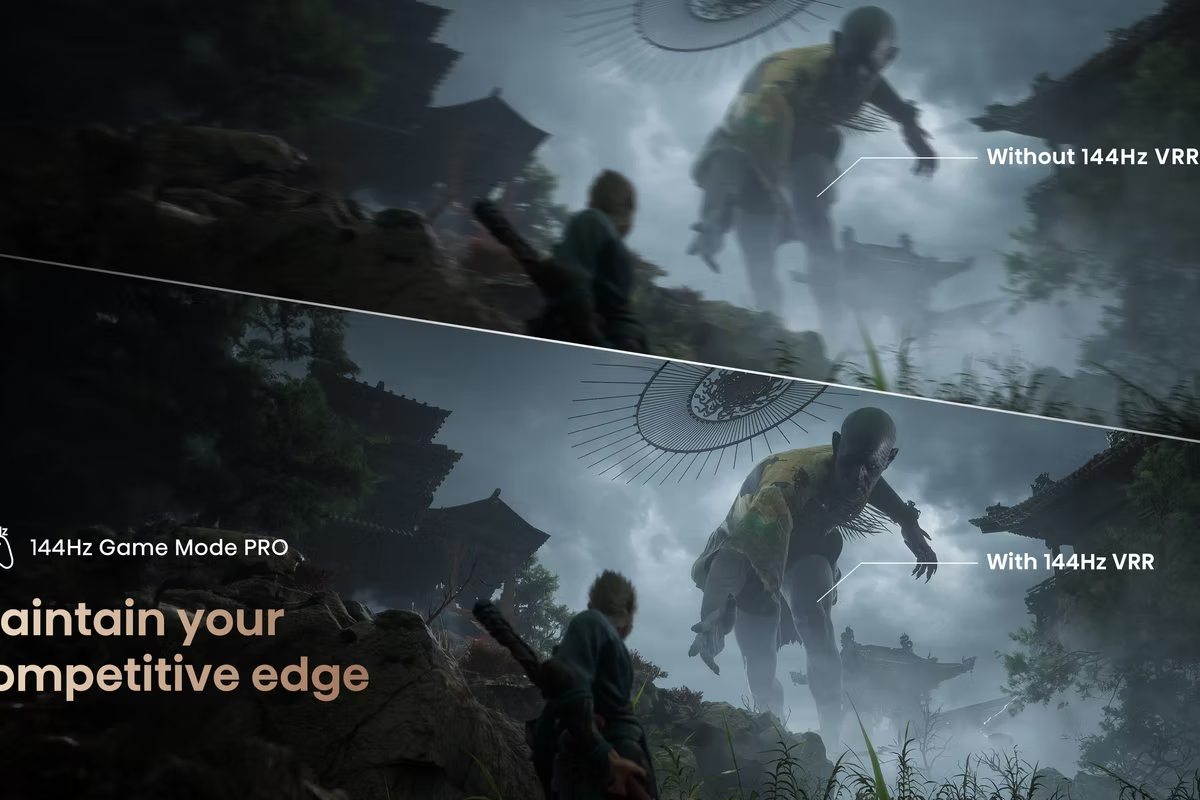
The 144Hz native panel is a genuine advantage for PC gamers running high-end hardware. Variable Refresh Rate covers the standard ranges with FreeSync Premium and G-Sync Compatible certification ensuring cross-platform compatibility. ALLM works automatically with major consoles.
Reviewers put input lag in Game Mode at approximately 10–12ms at 4K/120Hz. This is higher than LG OLEDs and slightly higher than Samsung's gaming-focused models, but well within acceptable ranges for all but the most competitive use cases. The U7N is not a dedicated esports monitor — it is a versatile TV that games well.
The 144Hz ceiling combined with VRR makes the U7N particularly valuable for PC gamers who can push frame rates above 120fps at 4K resolution on titles optimized for high refresh rates.
Smart TV & Interface
Google TV on the U7N benefits from Hisense's relatively light-touch customization. The core Google TV experience is intact, with the full Play Store app library, Google Assistant, and Chromecast built-in. Hisense adds a few proprietary apps and widgets to the home screen, which adds minor visual clutter but does not undermine the Google TV experience.
Hisense USA (Manufacturer product image)
Performance is adequate — app launches take 2–3 seconds on average, and the home screen navigation is smooth. Heavy processing tasks like initial search or loading large app libraries take slightly longer than on more powerful hardware, but day-to-day navigation is fine.
The Hisense remote is functional but unremarkable, with shortcut buttons to major streaming services and a microphone for Google Assistant voice control.
Design & Audio
The U7N's design is utilitarian but inoffensive — a slim bezel, clean back panel, and a functional stand. It does not have the premium aesthetic of Sony or Samsung's flagship offerings, but at this price it does not need to. Build quality is solid with no significant flex or cheap-feeling components.

Hisense USA (Manufacturer product image)
Built-in audio is the U7N's weakest specification. The speaker system produces acceptable TV audio for casual viewing but lacks the power, bass extension, and spatial processing to deliver a satisfying experience with action movies or music. A soundbar addition is strongly recommended and will transform the audio experience significantly.
Verdict
The Hisense U7N is the best television under $600 available in 2024, and it is not close. It delivers Mini-LED local dimming, 1,500 nits, 144Hz, three full HDMI 2.1 ports, Dolby Vision IQ, and Google TV at a price point where competitors offer none of those features. The trade-offs — limited viewing angles, some blooming, basic audio — are real but predictable and manageable.
For first-time 4K TV buyers, households with a strict budget, or anyone who wants the best possible picture from $550, the U7N is the definitive recommendation.