Overview: the flagship bargain with a few grown-up caveats
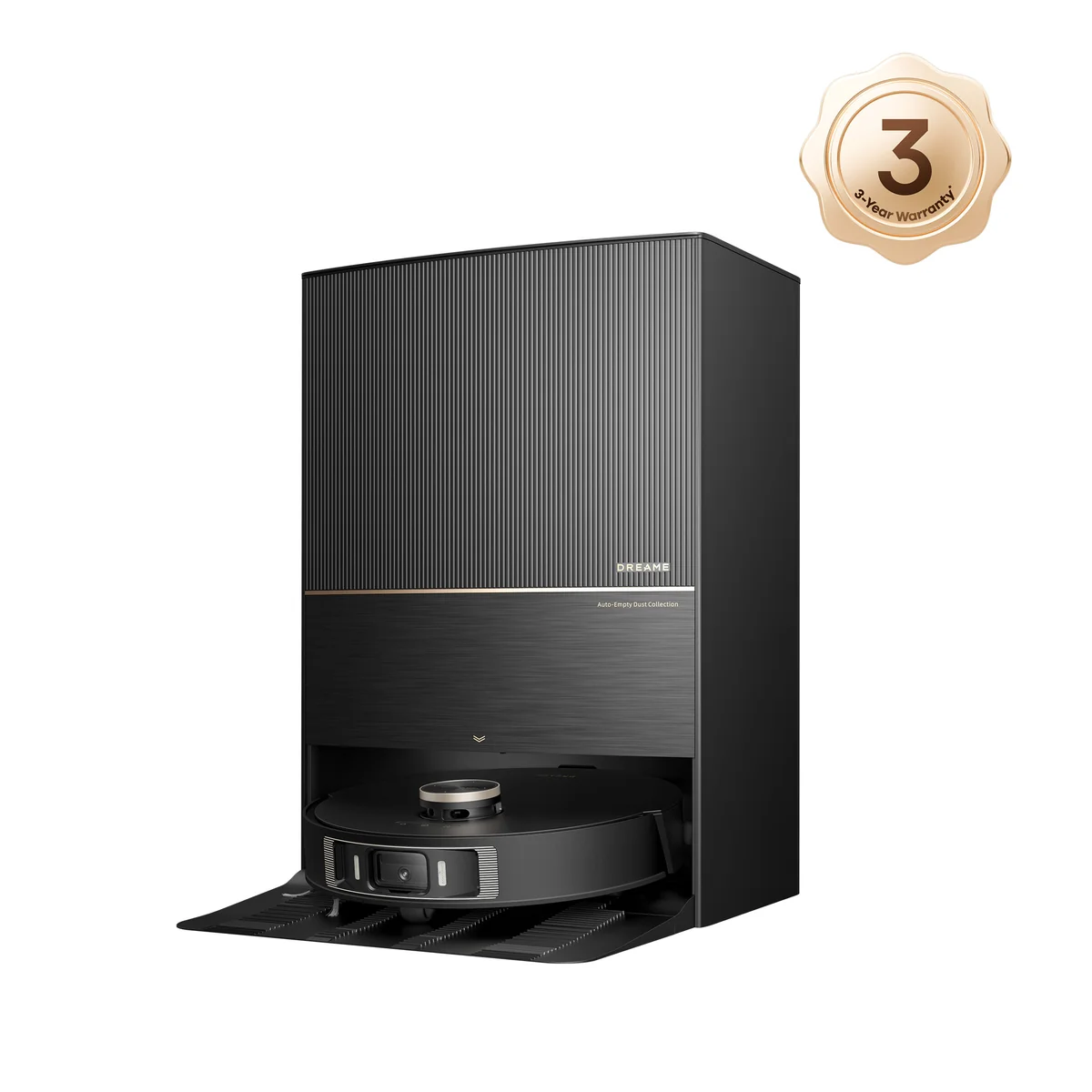
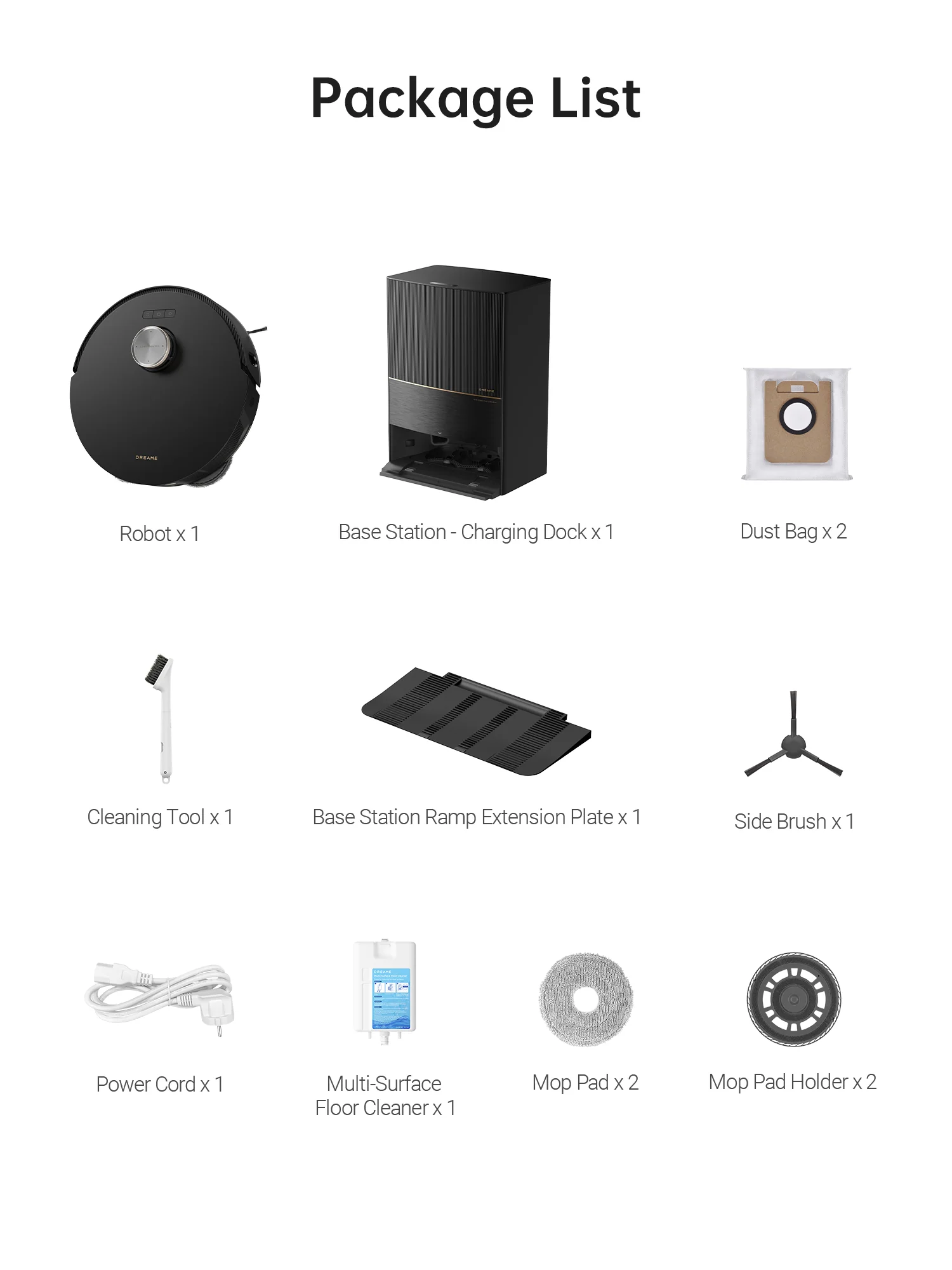
The Dreame L20 Ultra is the robot vacuum for buyers who want flagship floor care but do not want to pay simply for the safest brand name. At 1,199 USD, it combines 7,000 Pa suction, dual spinning mop pads at 180 RPM, LiDAR plus 3D structured light navigation, AI obstacle avoidance with a front camera, Wi-Fi 2.4GHz and 5GHz, Bluetooth, a 210 minutes runtime, and a dock that auto-empties, washes the mop with hot water, dries it, and refills water. That is not a modest feature set.
Dreame (Manufacturer product image)
The product's argument is value at the high end. It is not cheap, and it is not small, but it gives buyers many of the capabilities that made ultra-premium robot vacuums desirable: automated dock chores, serious mopping, capable vacuuming, accurate mapping, and less babysitting. The trade-offs are not about basic performance. They are about app polish, brand maturity in Western markets, dock size, and whether Roborock's higher suction and broader reputation matter enough to spend more.
The L20 Ultra is best understood as a hard-floor and large-home specialist that also vacuums carpet well. It is not the robot for a tiny apartment, a tight budget, or someone who wants the simplest possible app. It is for the buyer who has already decided that a robot should do more than buzz around the floor and is now choosing which flagship compromise to live with.
Design, dock, setup, and app learning curve
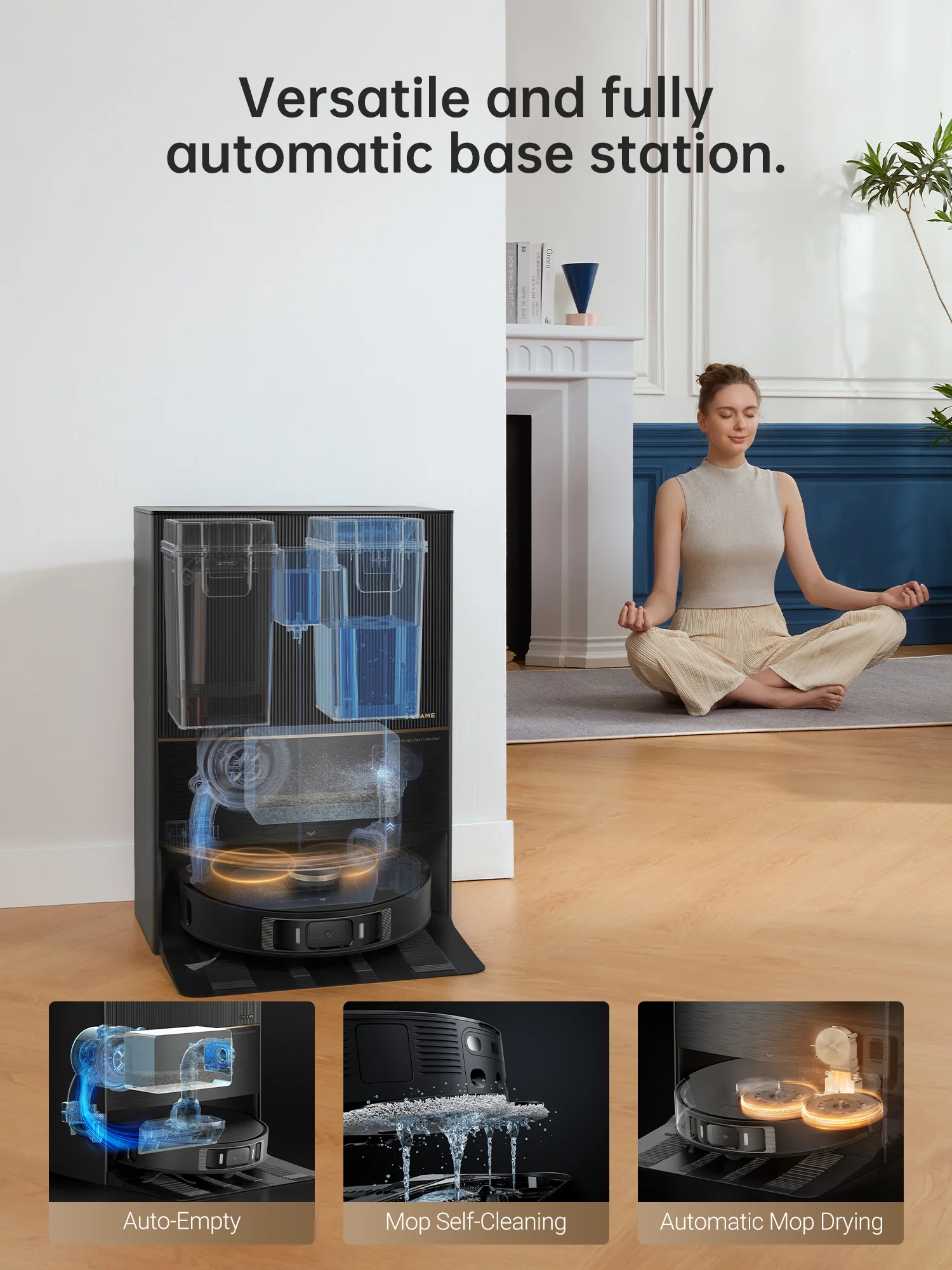
The L20 Ultra system is physically dominated by its dock. That is expected from a robot that promises to automate so many dirty jobs. The base needs a practical location with power, room for the robot to enter and leave, and enough clearance that filling, emptying, and cleaning tasks are not awkward. The dock's footprint is a real cost of ownership, even if the price is the easier number to compare.
Dreame (Manufacturer product image)
That dock is also the reason the product makes sense. Auto-empty reduces dustbin handling. Auto-water refill supports mopping runs. Hot-water mop washing addresses pad hygiene after wet cleaning. Auto-dry helps prevent a damp pad from sitting in the dock after the wash cycle. Those features matter because robot mops fail as household appliances when they simply transfer cleaning labor from the floor to the sink. Dreame does not eliminate all maintenance, but it moves the routine closer to a weekly system check than a post-run chore.
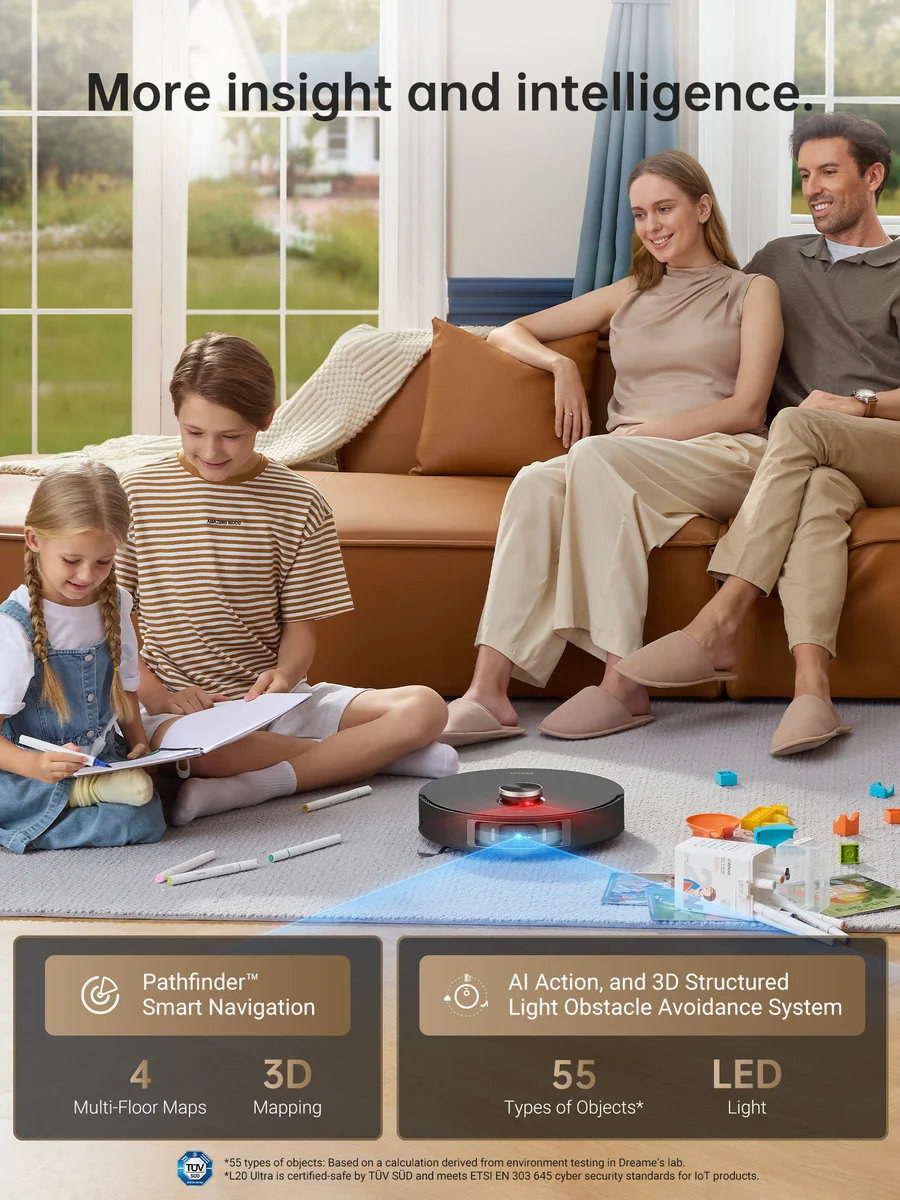
Initial setup runs through the Dreame Home app with Bluetooth pairing and Wi-Fi configuration. Support for both 2.4GHz and 5GHz networks is welcome because many smart-home devices still force 2.4GHz only. The mapping run is one of the product's strengths. LiDAR gives the robot a fast sense of the home, while 3D structured light helps it interpret obstacles and depth. In ordinary layouts, the first usable map requires less owner correction than a bump-and-guess robot ever could.
The app is the least elegant part of the experience. It is powerful, with room labels, schedules, no-go areas, water levels, cleaning modes, and per-room preferences, but the information hierarchy is denser than iRobot's and less polished in English than Roborock's best work. Technically curious owners may appreciate the control. Buyers who want a friendly appliance may need patience during the first week.
The newer-brand concern is also real. Dreame has become a serious player, not a no-name experiment, but iRobot and Roborock have deeper recognition, larger owner communities, and more familiar support expectations in many Western markets. That should not disqualify the L20 Ultra. It should make you think about warranty comfort, parts availability, consumables, and how long you expect to keep a 1,199 USD appliance.
Vacuuming, mopping, navigation, and real-world performance
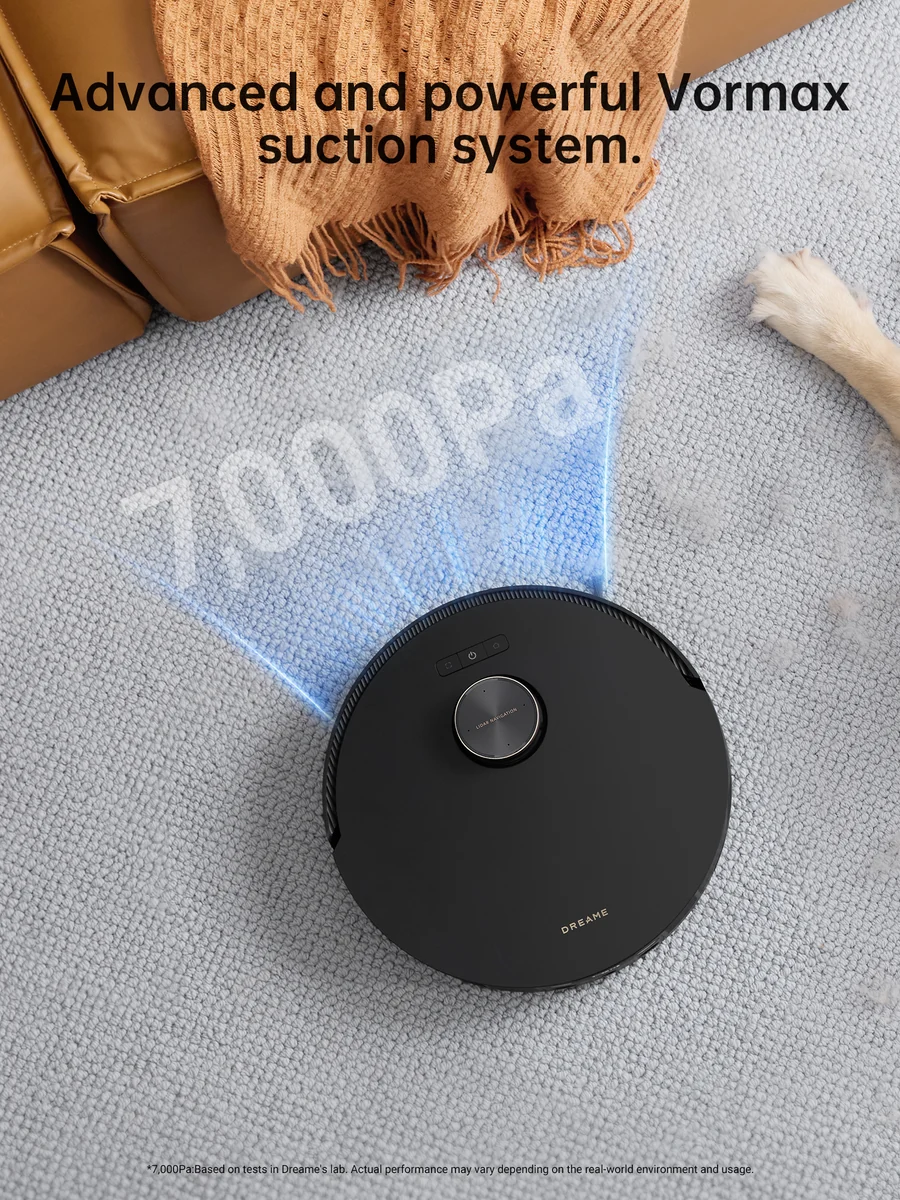
The 7,000 Pa suction figure puts the L20 Ultra firmly in flagship territory, even though it trails the Roborock S8 MaxV Ultra's 10,000 Pa headline. The practical difference depends on your floors. On hard surfaces and low carpet, 7,000 Pa is already more than enough for dust, crumbs, pet hair, and daily debris. On medium carpet, the floating rubber brush helps maintain contact as the floor height changes. The gap to 10,000 Pa matters most for buyers who care about maximum extraction from carpet rather than broad day-to-day competence.
Dreame (Manufacturer product image)
The brush system is simpler than Roborock's dual-rubber approach, but it is sensible. A single floating rubber brush avoids the worst hair-tangle behavior of bristles and adjusts as the robot crosses thresholds and texture changes. Pet owners with long hair in the home will still need to inspect the roller periodically. No robot at this level is maintenance-free, but rubber is the right material choice for reducing frustration.
Mopping is where the L20 Ultra earns its strongest praise. The dual spinning mop pads rotate at 180 RPM, which gives them a scrubbing character that flat drag pads cannot match. For kitchen film, tracked-in dirt, and dried light residue, that motion is more convincing than simply pulling a damp cloth behind the robot. It is still a robot mop, not a person pressing hard with a hand mop, but the mechanical action is real.
Hot-water washing in the dock is the feature that separates Dreame from many cold-rinse competitors. A wet mop pad that is only lightly rinsed can become the dirtiest part of the system. Washing with hot water, followed by drying, makes the L20 Ultra easier to trust for repeated mopping. The dock's auto-dry function is just as important as the wash because a damp pad left in place can create odor and hygiene problems over time.
The 210 minutes runtime is a major advantage for large homes. Runtime does not guarantee better cleaning by itself, but it reduces the chance that the robot has to stop, recharge, and resume before finishing a full run. If your home is above the small-apartment category, 210 minutes gives you more freedom to use stronger settings, include mopping, or clean more rooms in a single session. Buyers moving from shorter-runtime robots will notice the operational difference.
Navigation is another strength. LiDAR is fast and consistent, and the 3D structured light system helps the robot understand more than a simple wall outline. The front camera and AI obstacle avoidance are useful for shoes, cables, pet bowls, and small objects, though no buyer should treat obstacle avoidance as permission to leave every cord on the floor. The system is good enough to reduce rescues, not good enough to remove common sense.
The mop lift is reliable for ordinary transitions, but plush carpet deserves caution. The L20 Ultra can raise its mop pads when carpet is detected, yet homes with thick or expensive rugs should still use no-mop zones. That is not a failure; it is a sensible layer of protection when a 1,199 USD robot is carrying wet pads through a mixed-floor home.
Dreame L20 Ultra vs Roborock, Roomba, Eufy, Shark, and Ecovacs alternatives
The Roborock S8 MaxV Ultra is the benchmark rival. Roborock brings 10,000 Pa suction, a mature app, strong obstacle avoidance, and a fully automated dock of its own at a higher price of 1,599 USD in this category. The Dreame counters with 7,000 Pa suction, hot-water mop washing, 180 RPM spinning pads, and a 210 minutes runtime at 1,199 USD. The 400 USD gap matters. Choose Roborock if maximum suction, app refinement, and brand confidence are worth the premium. Choose Dreame if flagship mopping and value matter more.
Dreame (Manufacturer product image)
The iRobot Roomba Combo j9+ is a different kind of premium choice. Roomba's retractable mop is excellent for mixed flooring, and iRobot OS is easier to live with for many people. Dreame's dock is far more automated for mopping, and its LiDAR navigation is better suited to dark or low-light mapping. Pet owners who prioritize carpet and brush behavior may prefer iRobot; hard-floor owners who mop often should lean Dreame.
The Eufy RoboVac 11S is a reminder that not every buyer needs a flagship. Eufy costs far less, cleans quietly, and fits under low furniture, but it has no mop, no self-empty dock, and no advanced mapping. It is the better purchase for a small hard-floor apartment on a strict budget. It is not a substitute for the L20 Ultra in a large home.
Shark and Ecovacs models fill the middle and upper-middle alternatives. Shark can be attractive for self-emptying value, while Ecovacs often competes aggressively on feature bundles. The reason to stay with Dreame is the combination of hot-water mop washing, long runtime, and premium mapping at a price below the most expensive Roborock. The reason to leave Dreame is if support familiarity, app polish, or a smaller dock matters more than the feature-per-dollar equation.
Who should buy the Dreame L20 Ultra?
Buy it if you have a medium or large home, meaningful hard-floor area, and a willingness to make space for a large dock. The L20 Ultra is at its best when the mop runs often enough to justify hot-water washing and auto-dry. If your kitchen, entry, hallways, and bathrooms need frequent maintenance, Dreame's system can remove a lot of recurring labor.
It is also a strong choice for buyers comparing premium robots on value rather than brand comfort. A 1,199 USD price is still high, but it is easier to defend when the machine includes 7,000 Pa suction, 180 RPM dual spinning mop pads, 210 minutes runtime, LiDAR, 3D structured light, and a dock that handles multiple maintenance steps. The product feels expensive because it is capable, not because it is sparse.
Do not buy it if you want the simplest possible app, have no room for a large dock, or mostly need dry vacuuming in a small apartment. Do not buy it if the strongest possible carpet suction is your top priority and the 10,000 Pa Roborock option is within budget. Do not buy it if service infrastructure anxiety will make ownership stressful. A flagship robot should reduce chores, not create worry.
Bottom line verdict
The Dreame L20 Ultra is one of the most compelling premium robot vacuum and mop systems because it spends its budget where owners feel it: hot-water mop washing, auto-dry, auto-empty, auto-water refill, strong mapping, 7,000 Pa suction, and a 210 minutes battery. The dual pads at 180 RPM make the mopping feel purposeful rather than decorative.
Its shortcomings are manageable but real. The app takes learning, the dock is large, Roborock still wins on maximum suction and polish, and Dreame's Western support reputation is younger. Even with those caveats, the L20 Ultra has a persuasive identity. It is the flagship to buy when you want serious mopping and automation without paying the full Roborock premium.